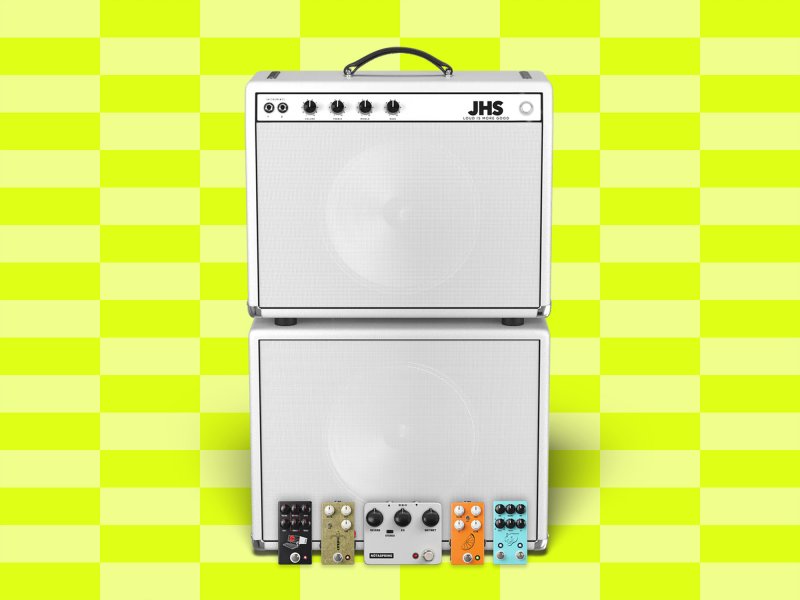
JHS Loud Is More Good Collection: Plugin review
JHS Plugin Suite on Bass: A Practical Review The JHS Loud Is More Good Collection brings some of JHS’s most recognizable pedal designs, along with an amplifier model, into the digital realm for use in DAWs or standalone environments. The suite includes overdrive, distortion, compression, delay, reverb, and amp simulation, all modeled to capture the behavior and character of their analog counterparts. As a bass player who regularly tracks and shapes bass tones in the box, I spent time using these plugins with real bass performances in practical recording and production scenarios. This review reflects hands-on use with direct-in bass tracks, parallel processing, and creative sound design, with a focus on how well these tools translate to bass despite their guitar-centric origins. TL;DR The JHS Plugin Suite offers musical, character-driven effects that can work very well on bass when used thoughtfully. It excels at adding grit, compression, depth, and ambience, but it is not a bass-specific plugin collection. Preserving low-end fundamentals often requires careful gain staging, EQ, or parallel blending. As a creative tone-shaping toolkit rather than a complete bass solution, it performs admirably. The Review: A Bass Player’s Perspective What’s Included The Loud Is More Good Collection includes the following plugins: Together, these plugins represent a full signal chain that mirrors a traditional pedalboard plus amplifier setup, now adapted for modern production workflows. Bass Compatibility and Signal Shaping None of the plugins are marketed as bass-specific, and there are no dedicated low-frequency compensation controls. Because of this, successful bass use depends on intentional signal routing and, in many cases, parallel processing. When approached this way, the plugins can complement bass tracks rather than compromise them. Compression and Clean Tone Shaping The Pulp ’N’ Peel compressor stands out as one of the most immediately useful tools for bass. In practice, it provides smooth dynamic control and a subtle sense of glue that works well on DI tracks. It adds presence without flattening the instrument’s natural dynamics and responds musically to variations in playing style. Used either directly on a track or blended in parallel, it helps bass parts sit more confidently in a mix. Overdrive and Distortion The Morning Glory and Hard Drive plugins offer two very different flavors of drive. Morning Glory is more transparent, adding harmonic richness and edge while largely preserving the core bass tone. It works well for subtle grit, especially in rock, indie, and pop contexts. Hard Drive is more aggressive and better suited to heavier tones. It can generate dense harmonic content that helps bass cut through a mix, but it requires more careful dialing to avoid masking low-end fundamentals. In my experience, blending it in parallel with a clean signal yields the most usable results. Delay and Time-Based Effects: Panther Cub The Panther Cub delay brings analog-style bucket brigade delay into the suite, complete with tempo sync, modulation, and tone shaping controls. On bass, subtle delay settings add depth and rhythmic interest without cluttering the low end. Used sparingly or on an auxiliary track, Panther Cub creates movement and space behind the fundamental rather than competing with it. More extreme settings open the door to creative and ambient bass textures, particularly useful in experimental, ambient, or post-rock contexts. The modulation controls help the repeats feel organic rather than static, which suits bass particularly well when used for texture rather than clarity. Reverb and Space: NÖTASPRING The NÖTASPRING reverb emulates classic spring reverb behavior while offering modern control over tone and mix. For bass, it is best used with restraint. Low wet/dry settings or parallel routing allow the bass to retain definition while gaining a sense of depth and space. NÖTASPRING works especially well for atmospheric passages, dub-inspired lines, or sparse arrangements where bass occupies more sonic real estate. It is less about subtle room ambience and more about character and texture. Amp and Cabinet Modeling The Loud Is More Good Amp provides amp and cabinet modeling with mic placement options. While clearly modeled after a guitar amplifier, it can still be used creatively on bass. Gentle settings add color and midrange presence, while heavier drive settings function better as effect tones than as primary bass amp replacements. As with the drive pedals, using this amp model in parallel with a clean DI track helps retain low-end solidity while benefiting from the amp’s character. Workflow and Integration The suite integrates smoothly into standard DAW workflows and can also be used in standalone mode. Signal chain order is flexible, tempo-based effects sync easily to sessions, and the interface design encourages experimentation. For bass players working primarily in the box, the plugins feel responsive and musically engaging rather than clinical. Pros Cons FAQs Can the JHS Plugin Suite be used effectively on bass?Yes. While not bass-specific, the plugins can be very effective when used intentionally, particularly with parallel processing. Which plugins are most useful for bass?Pulp ’N’ Peel is immediately useful for compression and tone shaping, while Morning Glory, Panther Cub, and NÖTASPRING excel at adding character and space. Do these plugins replace dedicated bass amp sims?Not entirely. They work best as creative tools alongside clean DI tracks or bass-focused amp simulations. Are these plugins suitable for modern production styles?Yes. They lend themselves well to rock, indie, experimental, ambient, and pop bass tones, especially where character is valued over pristine cleanliness. Conclusion The JHS Plugin Suite is not a purpose-built bass toolkit, but it doesn’t need to be to earn a place in a bassist’s plugin arsenal. When approached with intention, it offers rich character, musical response, and creative flexibility that translate well to bass recording and production. With careful routing and a respect for low-end fundamentals, these plugins can add personality and depth that goes beyond clean DI tones, making them a valuable complement to more bass-focused tools. If you enjoyed checking out this JHS product, here are more JHS products worth exploring — all tested and reviewed here on BassGearReviews: – JHS Colour Box V2 – Neve Style Preamp Pedal – JHS 424 Gain Stage – preamp/fuzz pedal