MXR Phase 90: Pedal Review
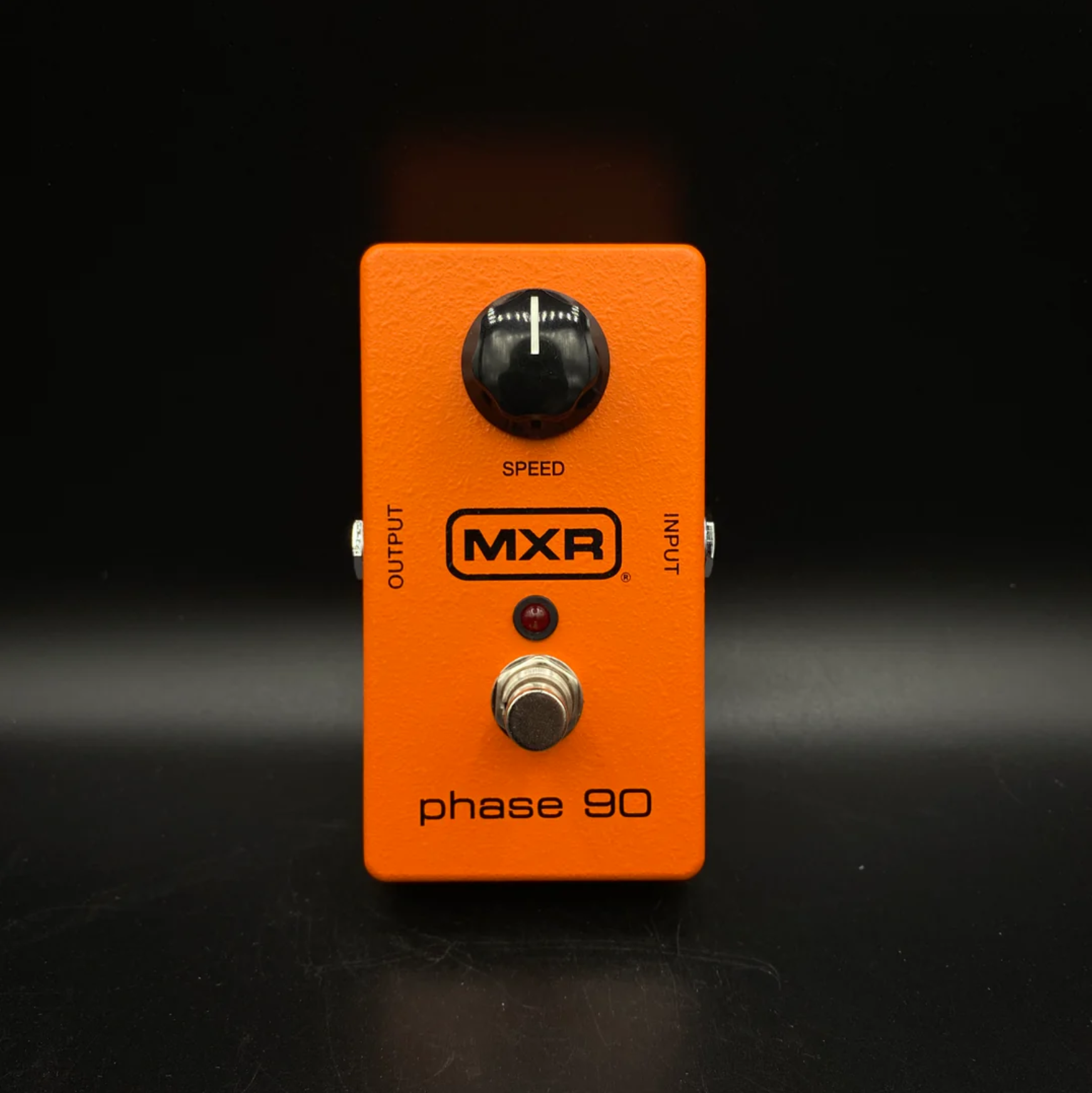
One Knob, Endless Swirl Being a gear reviewer comes with a certain unspoken pressure. You’re expected to be analytical, precise, objective — to dissect every frequency bump and nuance like it’s a lab experiment. But sometimes? Sometimes it’s about plugging in, turning one big knob, and smiling. We’ve gone down this road before (yes, we really did review a tuner), and today we’re doing it again. In the spotlight: the legendary little orange box, the MXR Phase 90. One knob. One footswitch. Zero nonsense. The question is — does it belong on a bass pedalboard? Let’s find out. Check the MXR Phase 90 on Amazon –> First things first. The Phase 90 is about as simple as analog pedals get. A single Speed control adjusts the rate of the phasing effect. That’s it. No depth knob. No mix control. No toggles. Just swirl. Originally voiced for guitar, the Phase 90 became famous for its warm, chewy modulation and unmistakable movement — heard everywhere from classic rock to funk to modern alternative. But bass players have historically been cautious with modulation. Anything that messes with low end can feel risky. So… does it steal your bottom end? Short answer: yes — with intention. Long answer: the Phase 90 does subtly affect low frequencies, but not in the way some digital or more extreme phasers do. Because it’s analog and relatively simple in design, it tends to create movement in the mids and upper mids while the fundamental low end largely stays intact. At slower speeds, it adds a gentle, almost three-dimensional motion to sustained notes. Think supportive movement rather than dramatic sweep. It can make simple basslines feel alive without stepping all over the mix. Crank the Speed knob, and things get more psychedelic. Faster settings introduce a pronounced swirl that works great for bridges, breakdowns, or sections where the bass needs to poke out rhythmically. It won’t turn you into a synth player — but it will absolutely turn heads. If you’re running an active bass or a bright amp setup, you’ll notice the phase effect more clearly. With darker rigs, it becomes subtler — almost felt more than heard. Where does it shine? In funk and groove-based playing, a slow phase under slap or fingerstyle lines can add width without turning into chorus territory. It’s not as glossy as a chorus pedal — it’s earthier. In stoner, psychedelic, or alternative rock, pair it with a fuzz or overdrive and you’re instantly in swirling, vintage territory. The movement interacts beautifully with distortion, especially on sustained notes. On minimalist lines, the Phase 90 fills space in a way that feels organic. It keeps things interesting without overcomplicating your tone. In studio settings, a lightly phased bass track can sit differently in a mix, especially when layered with a clean DI signal. It adds character without screaming “effect.” What it’s not is a hyper-tweakable modern modulation unit. If you need blend controls, multi-stage phasing, or surgical EQ shaping, this isn’t that pedal. And that’s kind of the point. The Phase 90 isn’t about options paralysis. It’s about immediacy. Step on it. Turn the knob. Done. Conclusion The bass verdict? The MXR Phase 90 absolutely works on bass — as long as you treat it like a flavor, not a foundation. It won’t replace your core tone, and it shouldn’t. What it does is add movement, vibe, and a little bit of controlled chaos when you want it. It’s also refreshingly fun. No menus. No presets. Just a small orange box reminding you that sometimes gear doesn’t have to be complicated to be inspiring. And honestly, in a world full of multi-algorithm modulation units with firmware updates and Bluetooth editors, one knob feels almost rebellious. Sometimes, that’s exactly what your pedalboard needs. Don’t forget to get your MXR Phase 90 on Amazon now! (This is an affiliate link and if you buy through it I’ll get rich and buy ALL THE PEDALS!)