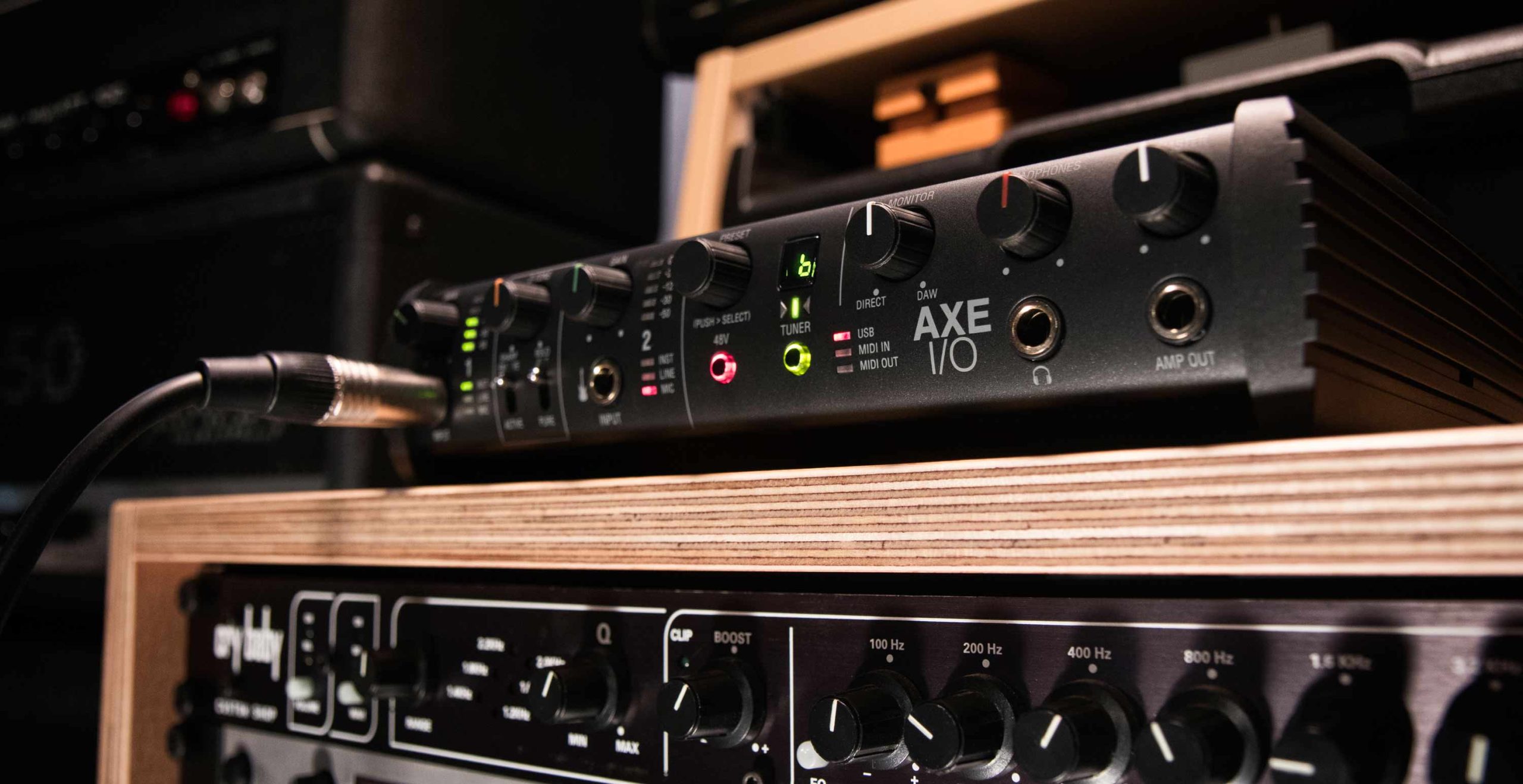
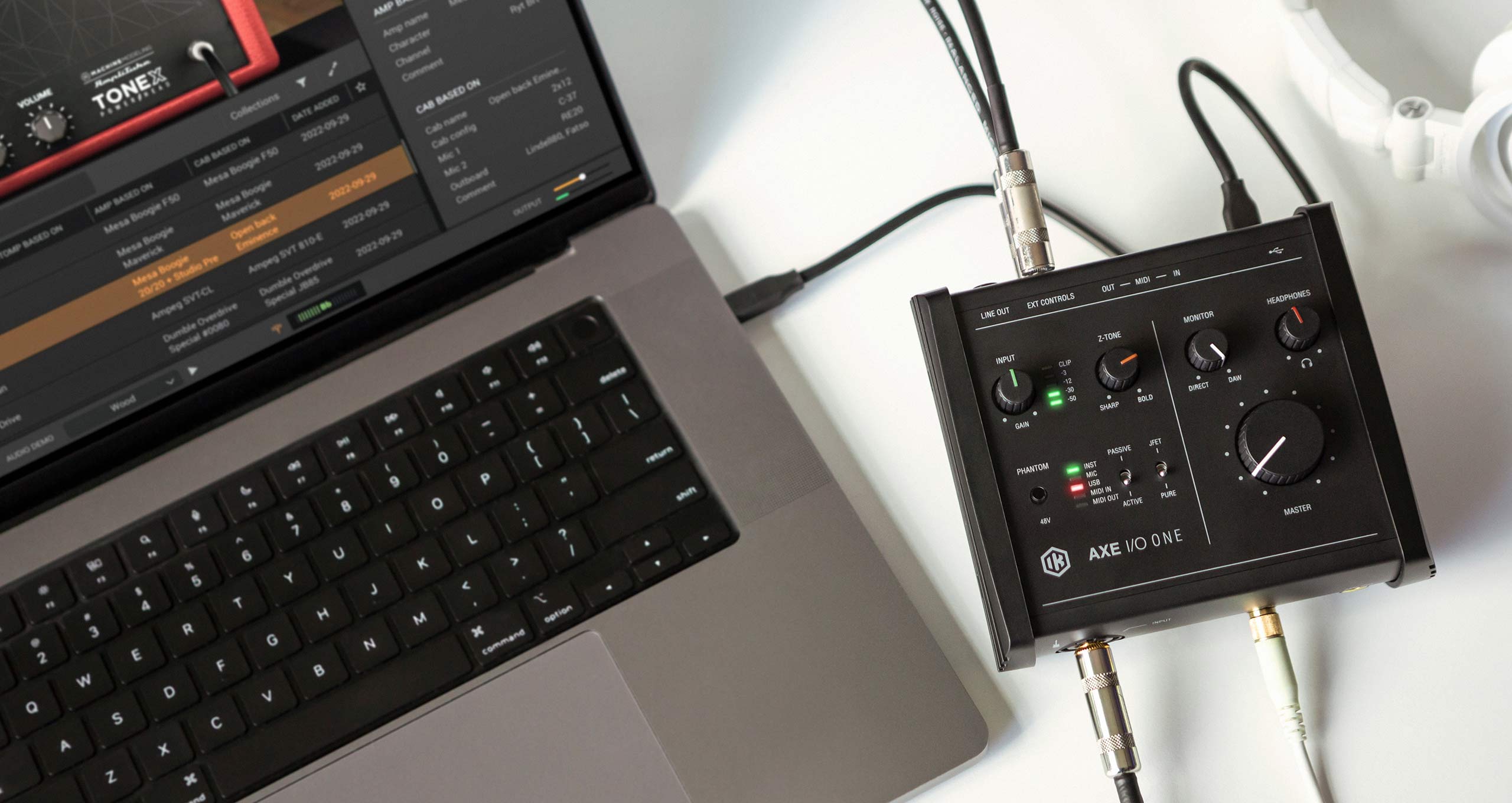
Disclaimer: This unit was kindly provided by IK Multimedia for the purpose of this review. However, this does not influence our opinions or the content of our reviews. We strive to provide honest, unbiased, and accurate assessments to ensure that our readers receive truthful and helpful information. A Smart/Small Interface for Bass Players In a market full of nearly identical budget audio interfaces, the IK Multimedia Axe I/O One manages to stand out—especially if you’re a bass player. While it may look like just another compact USB interface, it offers tone-shaping tools, reamping capabilities, and thoughtful design choices that make it far more than meets the eye. Whether you’re tracking demos at home, building a portable setup, or looking for a flexible DI solution, the Axe I/O One is well worth your attention. Effortless SetupGetting up and running with the Axe I/O One is refreshingly simple. After registering the unit on IK Multimedia’s website and downloading their control software (which includes all necessary drivers), it was a matter of plugging it in via USB. The interface was immediately recognized by my DAW (Reaper), and I was recording bass within minutes. From firmware updates to input detection, everything worked smoothly—no troubleshooting or digging through menus. That kind of reliability is especially welcome when inspiration strikes and you just want to hit record. Designed for Instrument PlayersAlthough it’s marketed as a guitar-focused interface, many of the Axe I/O One’s standout features translate beautifully to bass. This is not just a standard 1-in/3-out audio box—it’s a tool for shaping and refining your tone before it even hits your plugins or amp sims. Designed for Instrument Players Although it’s marketed as a guitar-focused interface, many of the Axe I/O One’s standout features translate beautifully to bass. This is not just a standard 1-in/3-out audio box—it’s a tool for shaping and refining your tone before it even hits your plugins or amp sims. Key Features: At this price point, features like Z-Tone and Amp Out are rare—and particularly useful for bass players looking to get the most out of their instrument tone. Z-Tone: Impedance Control with Real Impact One of the most unique features of the Axe I/O One is the Z-Tone knob, which lets you control the input impedance of the instrument channel. This may seem like a minor technical detail, but in practice, it allows you to meaningfully shape the tonal character of your bass. Higher impedance settings (labeled “Sharp”) give your signal a brighter, more articulate tone—ideal for active basses or modern fingerstyle work. Lower settings (“Bold”) round off the top end and emphasize the lows, perfect for vintage-style passive basses or thick, supportive lines. The Z-Tone circuit reacts differently depending on your bass and pickups, offering a subtle but highly musical way to tailor your tone—before you even touch an EQ or amp model. “Z-Tone allows change to impedance from tighter/sharper tone to a thicker/bolder tone all in the same instrument.” JFET vs PURE Input Stages Another standout feature is the ability to switch between two input stages: The tonal difference is not drastic, but it’s enough to influence the feel of your playing and the character of your recorded tone. Especially when paired with Z-Tone and pickup type switching, it makes the interface far more versatile than it first appears. Amp Out & Reamping: Pro-Level Flexibility The Amp Out jack is a feature rarely seen in interfaces at this price level. It allows you to take a clean DI signal you’ve recorded and send it out to a real amp, pedal chain, or reamping box for further tone processing—without latency or level mismatches. What is Reamping? Reamping is the process of recording a clean, direct signal from your instrument, and later sending that signal through amplifiers or pedals to experiment with tone. It’s commonly used in professional studios, allowing engineers to refine or completely change a sound after the performance has been captured. For bassists, this opens up the ability to: This makes the Axe I/O One an excellent choice not only for home setups, but also for players working with studios or engineers who want more tonal control. What’s Missing? No device is perfect, and the Axe I/O One does come with a couple of limitations: Software Included The bundled software adds real value, especially for bass players who might be building their first recording rig: This makes the Axe I/O One a great all-in-one starter package for recording bass without needing to buy extra software or plugins. Final Thoughts: A Smart Buy for Bass Players The IK Multimedia Axe I/O One is more than just a budget interface—it’s a well-designed tool for tone-conscious players who want flexibility without complexity. With features like Z-Tone, PURE/JFET switching, and built-in reamping, it empowers bassists to capture professional-quality tones and adapt them to a wide range of musical contexts. It’s compact, easy to use, and includes everything you need to start recording and shaping your sound. Whether you’re just getting into home recording or need a travel-friendly interface with serious tone tools, the Axe I/O One delivers excellent value. ConclusionThe Axe I/O One is a smart, musician-focused interface that offers meaningful benefits to bass players, especially those working in home studios or mobile environments. If you’re looking for a compact DI solution that does more than just capture a clean signal, this one deserves a serious look.