Blog

Author: Claudio Ribeiro

Boss Plug-in
News

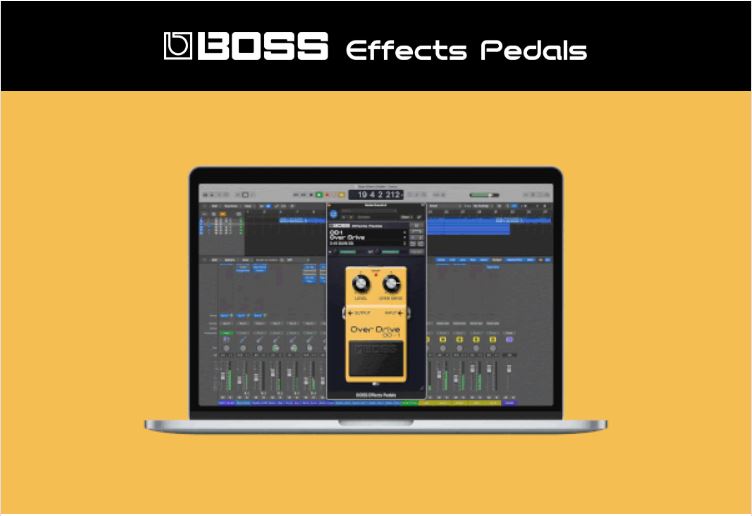
BOSS Effects Pedals Plug-In Now Available in Your DAW

Roland releases the BOSS Effects Pedals Plug-In Roland has unveiled the BOSS Effects Pedals Plug-In, bringing the iconic sound of BOSS compact pedals to digital audio workstations (DAWs) for the first time. Available exclusively through the Roland Cloud Ultimate membership, this plug-in suite offers musicians and producers a new way to access the legendary tones that have shaped music for decades. Since their debut in 1977, BOSS compact pedals have been a staple on pedalboards worldwide, known for their durability and distinctive sound. The new plug-in faithfully recreates eight of these classic effects, allowing users to integrate them seamlessly into their digital workflows. Included Pedals: Each effect is modeled with precision, capturing the nuances that made the original hardware beloved by musicians across genres. Features Tailored for Modern Production The BOSS Effects Pedals Plug-In is designed with both authenticity and flexibility in mind: Accessing the Plug-In To use the BOSS Effects Pedals Plug-In, users must subscribe to the Roland Cloud Ultimate membership, which offers a 30-day free trial. This subscription not only provides access to the BOSS plug-ins but also to a vast library of Roland’s virtual instruments and effects. Looking Ahead Roland has indicated plans to expand the plug-in’s library, potentially bringing more of their extensive catalog of over 140 BOSS pedals into the digital realm. This move signals a commitment to preserving and evolving the legacy of BOSS effects for future generations of music creators. For more information and to start your free trial, visit the Roland Cloud website.

News

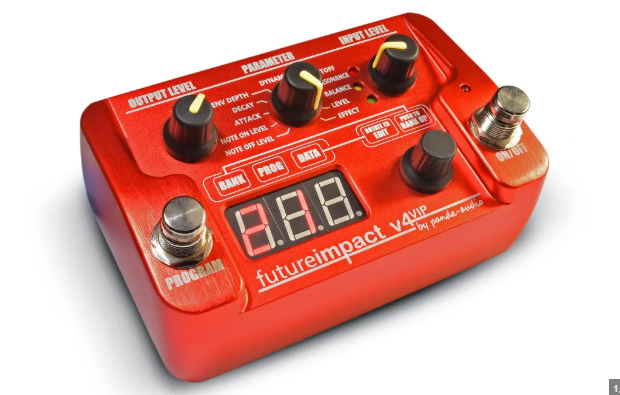
Panda Audio Unveils the Future Impact V4 VIP

Compact Powerhouse for Bass Synth Enthusiasts A new evolution in synthesizer pedal design has arrived. The VIP edition delivers all the powerful features of its larger predecessor in a significantly smaller, pedalboard-friendly format—without compromising performance. Measuring just 125 x 85 x 60 mm and weighing only 330 grams, this compact unit fits seamlessly into any setup while maintaining the full capabilities of a much larger device. Designed with versatility in mind, it covers an impressive sonic range—from classic synth basses, leads, and pads to a wide array of effects including octaver, chorus, flanger, phaser, distortion, envelope filter, wah-wah, tremolo, reverb, and more. With a built-in tuner, it has the potential to replace an entire board of dedicated pedals. This next-generation pedal features a powerful signal processor capable of replicating the architecture of classic synthesizers, including oscillators, filters, amplifiers, and envelope generators. It also includes modern processing blocks such as harmonizers, distortion, chorus, and EQ for ultimate flexibility in sound design. Key enhancements include: This pedal is more than a synthesizer—it’s a complete sound design platform, optimized for musicians seeking power, portability, and creative freedom.

Reviews

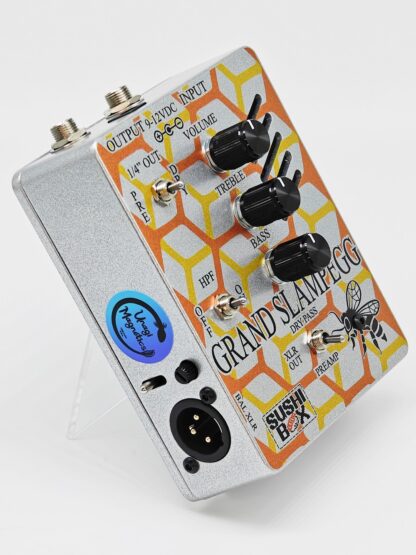
Sushi Box Grand Slampegg: Pedal Review

B-15 DNA in a Modern Tube Pedal The Grand Slampegg from Sushi Box FX is a tube-powered preamp pedal designed to capture the spirit, tone, and feel of the iconic Ampeg B-15 Portaflex — the amplifier that defined the sound of recorded bass in the 1960s and beyond. Hand-built in small batches and powered by a real 12AX7 tube, this pedal is part of a growing movement of boutique builders bringing studio-grade tones to the pedalboard world. What sets the Grand Slampegg apart is its targeted mission: not to be a Swiss-army preamp, but rather to emulate the sonic character and response of the B-15, an amp that still stands as one of the most revered tools for bass tone shaping in history. The Ampeg B-15 and Its Lasting Impact Before diving into the pedal, let’s zoom out for a second. The Ampeg B-15 Portaflex, introduced in 1960, was a compact flip-top bass combo amp known for its rich, warm, and punchy tone, thanks to its tube circuitry, simple EQ, and closed-back cabinet with a single 15″ speaker. It became the go-to amp for session players, especially in Motown, Stax, and New York’s studio scene. Names like James Jamerson, Donald “Duck” Dunn, and Chuck Rainey played through B-15s on countless records, and its pillowy low end, smooth midrange, and organic compression became baked into the DNA of modern bass tone. But the B-15 is big, heavy, and expensive. So for today’s bassists — especially those playing live or recording direct — the Grand Slampegg offers a portable, affordable, and musical tribute to that era-defining sound. Design and Features: Simplicity That Speaks Volumes The Grand Slampegg is powered by a genuine 12AX7 preamp tube operating at high voltage (internal boost from a 9V supply), allowing it to behave like a real tube amp rather than a tube-flavored simulator. That’s a crucial difference: it reacts dynamically to your playing and has that slightly compressive, touch-sensitive character that makes tube gear so addictive. The layout is minimal, but deceptively deep: The pedal has both instrument-level and line-level output, making it easy to slot into a pedalboard, run into an amp’s return, or go direct into an interface or FOH system. Tone Plug into the Grand Slampegg and the first thing you’ll notice is the weight of the tone — not in volume, but in density and presence. It fills up space in a mix the way a great amp does, especially with a passive P-style bass or flatwound strings. The key characteristics are all there: Unlike some tube preamps that lean toward modern grit or aggressive drive, the Grand Slampegg prioritizes subtlety, bloom, and tone shaping. That makes it ideal for studio-style applications, warm live rigs, or as a foundational tone shaper on your board. And yes — it breaks up when pushed. But the breakup is velvety and musical, not jagged or compressed. Think Jamerson with the gain halfway up, or a slightly overdriven studio channel strip. Because it’s voiced so naturally and keeps low-end intact, the Grand Slampegg is extremely flexible as a platform. You can use it: It also works well as a recording tool — slotting it into your DI path gives you that elusive “amp in the room” feel with minimal fuss. Pros and Cons Pros: Cons: Conclusion The Sushi Box Grand Slampegg is not trying to reinvent the wheel — it’s trying to preserve one of the most beloved wheels ever made and offer it to a new generation of players in a compact, efficient form. And in that mission, it succeeds beautifully. For bassists chasing that vintage studio tone, especially in settings where a full B-15 isn’t practical or affordable, this pedal is a godsend. It captures the essence of what made that amp great — the musical compression, the EQ shape, the tube warmth — and brings it to your fingertips in a pedal that’s easy to use and hard to turn off. If you’re into Motown grooves, soul lines, dub foundations, or just want your bass to sit deeper and more confidently in a mix, the Grand Slampegg should be on your radar. It’s not flashy, and it’s not aggressive — but it has tone for days, and it feels like a classic.

Dingwall SP1
News

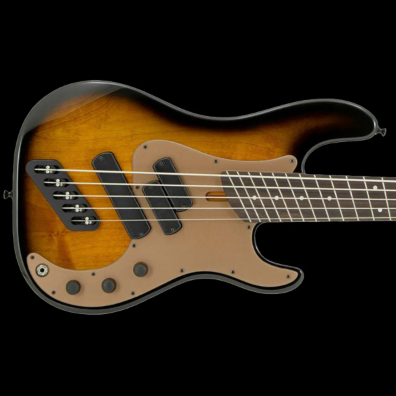
Dingwall Guitars Unveils the SP1

A Modern Classic for the Studio and Stage Dingwall Guitars has officially released the SP1, a bold new addition to their Ready to Play series that merges vintage-inspired tone with cutting-edge design. Available in both 4- and 5-string configurations, the SP1 is poised to become a go-to instrument for session players and live performers alike. A Fresh Take on the PJ Formula At its core, the SP1 is a passive PJ-style bass that offers remarkable tonal flexibility without the need for onboard preamps or batteries. Its pickup configuration features a Dingwall Dual-P split-coil in the neck position and an FD3n humbucker at the bridge. These are controlled via a Quad-Tone rotary selector, which offers four distinct voicings: neck pickup solo, both pickups in series, both in parallel, and bridge pickup solo. This intuitive setup is complemented by master volume and tone controls, allowing players to dial in a wide range of sounds with ease. Multi-Scale Comfort and Precision True to Dingwall’s legacy, the SP1 employs a multi-scale (fanned fret) design, ranging from 32 inches on the treble side to 34.25 inches on the bass side for the 4-string model. This ensures balanced string tension and enhanced clarity across the fretboard. The neck is a one-piece maple bolt-on with an elliptical profile, paired with a rosewood fingerboard featuring 22 banjo-sized frets. Built for Versatility and Style The SP1’s body is crafted from alder and finished in a range of striking colors, including Vintage Burst, Ducati Pearl White, Dark Candy Green, and Metallic Black. A standout visual feature is the transparent pickguard, originally hand-painted by artist Hugh Fisher and now UV-printed to allow the body color to subtly influence its appearance. Hardware includes Dingwall’s minimalist bridge with a custom riser system for easy action adjustments, lightweight open-gear tuners, and black nickel hardware. Hybrid Craftsmanship and Pricing The SP1 is the result of a hybrid manufacturing process, combining precision work from Indonesia with final assembly and quality control in Canada. Pricing starts at $2,499 for 4-string models and $2,599 for 5-string versions. Each bass comes with a padded gig bag, making it ready for the road straight out of the box.

Yamaha Pulser Bass
Reviews

Yamaha Pulser Bass: Bass Review

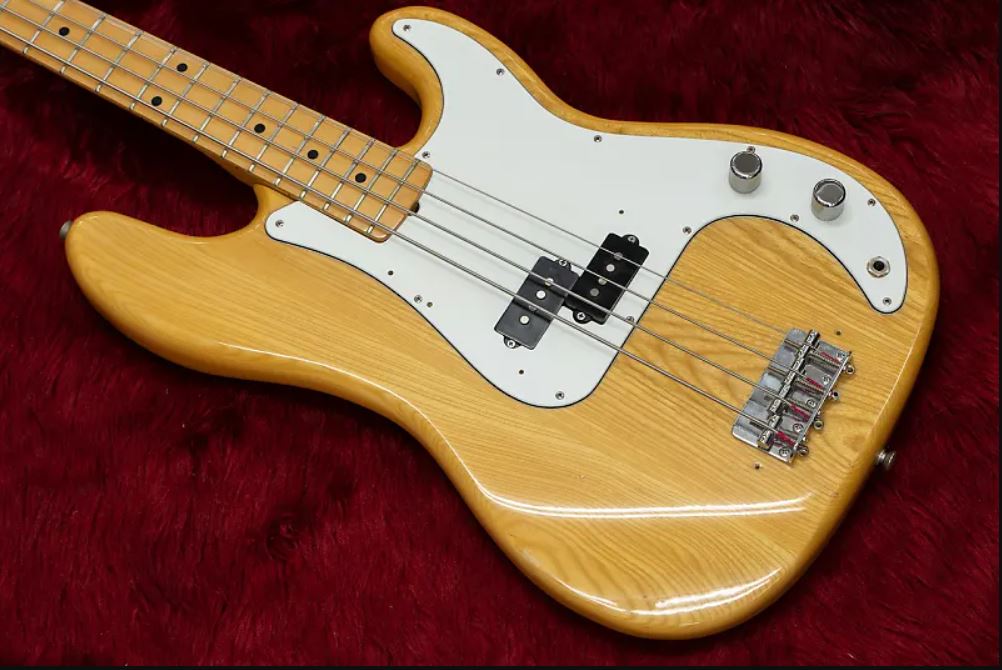
A P-Style Bass With Japanese Precision In the 1980s, while Fender was navigating shifts in ownership and quality control, Yamaha quietly built some of the most reliable and well-crafted instruments on the planet. One of those was the Pulser Bass, Yamaha’s take on the iconic Precision Bass formula. Made in Japan and sold primarily in the domestic market and select international regions, the Pulser never reached the household name status of its Fender counterpart — but among discerning players, it became a sleeper hit. The Pulser is often seen as part of the Yamaha BB (Broad Bass) family tree, sharing construction ethos and parts design. But what sets the Pulser apart is how faithfully it channels the spirit of a vintage P-Bass, while simultaneously offering Yamaha’s characteristic build precision, durability, and low cost of entry. Whether you’re into flatwounds and dub grooves or need a punchy, clear foundation for funk, punk, or indie, the Pulser earns its name: it’s a bass that thumps and pulses with purpose. A Brief History: The Quiet Counterpart Yamaha launched the Pulser Bass in the late ’70s and early ’80s, alongside their growing family of affordable, performance-focused instruments. At this time, Yamaha was capitalizing on Japan’s increasing global reputation for instrument manufacturing quality — the same wave that brought about Tokai, Fernandes, Greco, and early MIJ Fenders. The Pulser was clearly modeled after the Fender Precision Bass, but it wasn’t a clone. It was a reinterpretation — built with a distinct Yamaha voice: Though Yamaha never pushed the Pulser with the same marketing fervor as its BB-series cousins, it quietly built a reputation among session players, students, and budget-conscious professionals looking for a reliable, no-frills instrument. Build Quality and Feel Where some ’80s Fenders could feel inconsistent or sluggish, the Pulser Bass often surprises with its immediate playability and comfort: Tone: Familiar, but Sharpened At a glance, the Yamaha Pulser sounds like a traditional Precision Bass: strong fundamental, mid-forward bark, slightly rounded highs, and thumpy lows. But there are subtle differences: For flatwound users, the Pulser becomes a machine of smooth punch and bloom. You get that classic thump and lo-mid grunt without losing detail, and without the microphonic behavior some older Fenders exhibit. Comparison to Fender P-Basses of the Era The early-to-mid ’80s was a rocky time for Fender. The transition from CBS ownership to the new era under FMIC (post-1985) marked a period of uneven quality, particularly in U.S.-made instruments. While some 1980s Fenders are excellent, many suffer from heavier bodies, spotty fretwork, and inconsistent electronics. In contrast, the Yamaha Pulser often came off the factory floor cleaner and more consistent. Key comparisons: Feature Yamaha Pulser Fender P-Bass (1980s) Build Consistency High (MIJ standards) Variable (pre-FMIC era) Neck Profile Slim, playable Varies from chunky to wide Tone Clean, punchy, modern Classic, sometimes woolier Weight Moderate and balanced Often heavier Price Today Budget-friendly ($400–800) Vintage pricing ($1,000–2,000+) The Pulser offers a refined alternative: vintage feel without the collector price tag, and enough tonal accuracy to cover traditional P-Bass roles with confidence. Pros and Cons Pros: Cons: Conclusion: A Vintage Bass Without the Vintage Tax The Yamaha Pulser Bass is one of the best-kept secrets in vintage-style instruments. It delivers everything players love about the P-Bass platform — deep, fundamental tone, rock-solid simplicity, and roadworthy build — but sidesteps the inflated pricing and QC variability of more famous brands. For bassists who want a true player’s instrument, especially one that shines with flatwounds or in vintage-styled settings (soul, reggae, post-punk, lo-fi), the Pulser isn’t just a solid choice — it’s a smart investment. You won’t find prestige in the headstock. But you’ll find tone, comfort, and reliability in your hands. And sometimes, that’s the more powerful legacy.