Blog

Category: News

News

EarthQuaker Devices Easy Listening

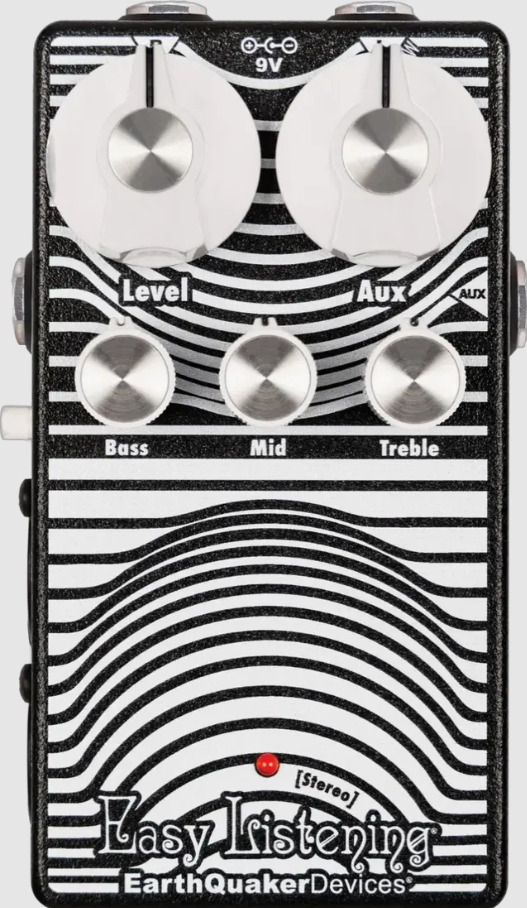
A Simple, Analog Approach to Amp-less Playing The original EarthQuaker Devices Easy Listening is a compact analog amp simulator designed to give guitarists a convincing amplifier-style sound through headphones or a recording interface. Its appeal is straightforward: no menus, no impulse responses, and just one control to worry about. EarthQuaker Devices Introduces the Stereo Easy Listening EarthQuaker Devices has given its Easy Listening analog amp simulator a stereo upgrade. The new Easy Listening Stereo keeps the original pedal’s all-analog approach but adds stereo connectivity, tone controls, and features aimed at players who want a more flexible solution for silent practice, recording, and live setups. The original Easy Listening was built around a simple idea: provide the feel and character of a classic American tube amp in a small pedalboard-friendly format. The new Stereo version takes that concept further, making it easier to integrate into modern stereo pedalboards and headphone-based rigs. A familiar analog foundation At the heart of the Easy Listening Stereo is an analog preamp and cabinet simulation designed around the character of a 1965 Deluxe-style amplifier. EarthQuaker Devices describes the circuit as delivering generous headroom, low noise, and a natural response without the latency or digital artifacts associated with some digital amp-simulation solutions. The original Easy Listening was deliberately minimal, featuring a single Volume control. The Stereo version adds Bass, Mid, and Treble controls, giving players considerably more room to shape the sound to suit their instrument, headphones, recording setup, or pedalboard. For bass players, the extra EQ control is particularly interesting. Although the Easy Listening was developed with guitar-oriented amp tones in mind, having direct access to the low end and midrange makes it easier to experiment with the pedal as part of a bass signal chain. It is worth remembering, however, that this is an amp simulator based on a guitar amplifier concept rather than a dedicated bass preamp. Stereo connectivity and headphone practice One of the biggest changes is the addition of stereo connectivity. The Easy Listening Stereo features dual inputs for stereo effects and stereo outputs, allowing it to sit at the end of a pedalboard without forcing a stereo signal back into mono. It can also widen a mono input signal through its outputs. The pedal includes a ¼-inch headphone output, as well as XLR outputs for connecting to other equipment. That makes it a potentially useful solution for players who want to practice with headphones, record directly into an interface, or send a signal to a live sound system without carrying a traditional amplifier. The stereo format also makes sense for players using delay, reverb, modulation, or a stereo modeler. Rather than treating the Easy Listening as a simple end-of-chain mono box, the new version is designed to accommodate a more expansive pedalboard setup. An auxiliary input for playing along Another useful addition is an auxiliary input with its own volume control. This allows players to connect a phone or another audio source to play along with backing tracks or music. The auxiliary signal bypasses the pedal’s preamp and cabinet simulation, keeping the playback signal uncolored. For home practice, this is a practical feature. A player can connect a pedalboard, plug in headphones, and play along with tracks without needing a separate headphone mixer or additional practice amplifier. Designed for straightforward operation Despite the added functionality, the Easy Listening Stereo remains an entirely analog pedal. There are no menus, digital presets, or IR-loading processes to navigate. A ground-lift switch is also included to help reduce unwanted hum in studio and live environments. That simplicity is central to the Easy Listening concept. It is intended to be something players can connect, adjust, and use immediately, rather than another piece of equipment requiring a setup session before it becomes useful. As with other EarthQuaker Devices pedals, the Easy Listening Stereo is built in Akron, Ohio, and follows the company’s hands-on approach to pedal design and production. Availability and pricing For players who already use stereo effects, record directly, or want a compact headphone solution with more tonal control, the Easy Listening Stereo looks like a meaningful expansion of the original concept. Bassists interested in using it should pay particular attention to its low-frequency response and available headroom, especially when pairing it with bass-specific drive, fuzz, or preamp pedals. For more information, visit the official EarthQuaker Devices Easy Listening product page .
News

IK Multimedia Launches TONEX Board

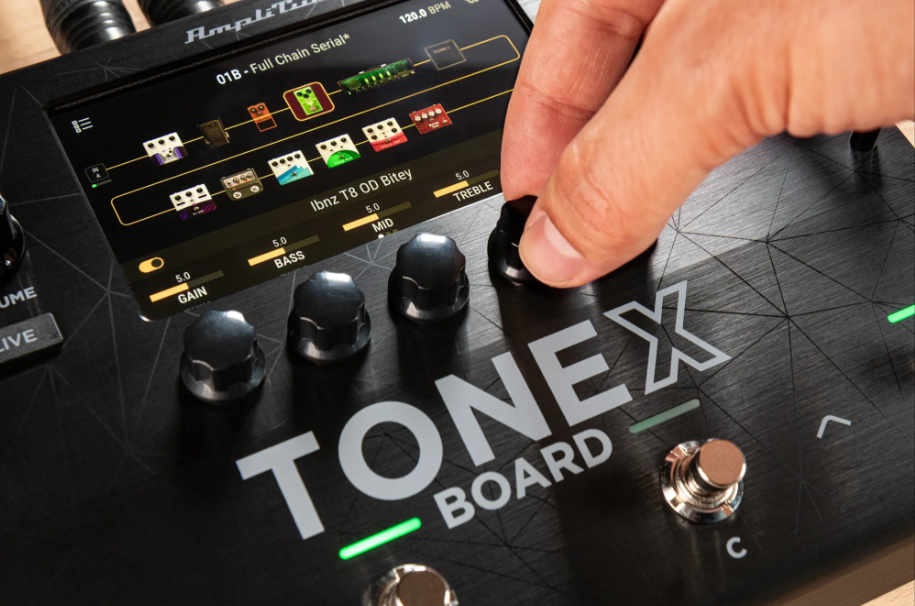
A Complete TONEX Rig Built for the Stage IK Multimedia has officially introduced the TONEX Board, the company’s most advanced hardware platform yet for its TONEX ecosystem. Combining TONEX AI Machine Modeling, AmpliTube effects, extensive routing options and a large touchscreen interface, the new unit is designed to function as a complete rig for both guitar and bass. We’ve been following the TONEX platform closely at BassGearReviews.com, having covered and reviewed several products from the TONEX family as the system has evolved. With the TONEX Board, IK Multimedia is taking the concept considerably further, moving from a compact amp-and-pedal modeling solution toward a full-featured floor-based rig. A complete TONEX system At the center of the TONEX Board is IK Multimedia’s AI Machine Modeling technology, which allows the unit to reproduce the sound, feel and response of captured amplifiers, cabinets and pedals. The difference here is the amount of processing and routing available. TONEX Board can run up to four Tone Models simultaneously, distributed across two independent signal paths. This makes configurations such as dual-amp stereo rigs, parallel processing and wet/dry setups possible, while also allowing captured overdrive, distortion or fuzz pedals to be combined with captured amplifiers. For bass players, this opens up some interesting possibilities. A single preset could combine different captured bass rigs, parallel clean and driven paths, or a conventional amp sound with additional processing, without requiring a collection of separate hardware pedals and amplifiers. The system also supports up to 12 effect slots, with flexible split-and-mix routing. 76 effects from AmpliTube and TONEX TONEX Board isn’t limited to Tone Models. IK Multimedia has integrated 76 effects, consisting of 51 effects from AmpliTube, 15 TONEX effects and 10 new processors. The effects cover drive, modulation, pitch, EQ, filters, reverb, dynamics, delay and utility functions. There are also several bass-specific options, including Bass Wah, as well as an Envelope Filter and NU-Tron III. The effects can be positioned throughout the available signal paths rather than being restricted to a fixed pedalboard-style order. For bass players, the inclusion of dedicated bass processing alongside the broader AmpliTube and TONEX effects library is particularly relevant. It means the Board can be configured as much more than an amp modeler, potentially replacing a substantial portion of a conventional bass pedalboard. 2,000 Tone Models included TONEX Board comes with 2,000 premium Tone Models, combining content from TONEX MAX, the TONEX ONE+ Signature Collection, new models created for the Board and selections from IK Multimedia’s Tone Partners. The unit also includes more than 230 factory presets, with more than 50 specifically aimed at bass. Beyond the factory content, users can access the much larger TONEX ecosystem through ToneNET, which currently offers more than 60,000 downloadable Tone Models and presets. The included software package also provides TONEX Modeler, TONEX Software, TONEX Board Editor and AmpliTube 5 MAX, giving users access to more than 400 gear models in the software environment. That connection between the hardware and software ecosystem has always been one of the strengths of TONEX, and the Board is clearly designed to make the transition from creating and organizing sounds on a computer to using them live as seamless as possible. Touchscreen control and live performance One of the most obvious differences between the TONEX Board and previous TONEX hardware is its 5-inch high-resolution color touchscreen. Six push-rotary controls provide hands-on editing and browsing, while four footswitches can operate in Preset, Scene or Stomp modes. The idea is to allow players to build and modify rigs directly from the hardware without having to navigate a complicated menu system. The Board can store up to 1,440 presets, organized into 12 setlists and 40 banks, with three presets per bank. Scene mode also allows multiple changes to be made within a preset, while Stomp mode provides control over individual effects. MIDI and two external controller inputs further expand the possibilities for players who need more extensive live control. Connectivity for almost any rig IK Multimedia has also paid considerable attention to connectivity. The TONEX Board features two independent stereo inputs, two pairs of stereo outputs, a stereo effects loop that can alternatively operate as two independent mono loops, MIDI I/O, two expression/external controller connections and a dedicated headphone output. The main outputs are balanced XLR connections, while the secondary outputs use balanced TRS connections. The Board also supports the four-cable method, allowing it to be integrated with a conventional amplifier’s effects loop rather than requiring the entire rig to be replaced. This makes the Board suitable for several different approaches: direct to front of house, into an FRFR system, into a traditional amplifier, or as part of a larger hybrid pedalboard. The USB-C connection currently handles data transfer, editing and firmware updates, with IK Multimedia stating that 4-in/2-out class-compliant USB audio interface functionality is coming through a future firmware update. Built with bass in mind Although TONEX has traditionally had a strong guitar focus, IK Multimedia has increasingly expanded the ecosystem for bass players. The TONEX Board continues that direction with dedicated bass presets and bass-oriented effects alongside its much larger collection of general-purpose processing. For bassists, the most interesting aspect may ultimately be the routing architecture rather than simply the number of models included. Parallel clean and distorted paths, multiple Tone Models and flexible effects placement can be particularly useful when trying to maintain low-end definition while adding drive, fuzz, modulation or other effects. It also makes the Board potentially useful for players who want several very different bass rigs available from a single floor unit rather than carrying multiple amplifiers and pedalboards. The next step for TONEX The TONEX concept has evolved considerably since the original TONEX Pedal. With the TONEX Board, IK Multimedia is moving firmly into the territory occupied by high-end multi-effects and amp-modeling floor processors, while retaining the Tone Model ecosystem that has defined TONEX from the beginning. The combination of four simultaneous Tone Models, 12 effect slots, dual signal paths, 1,440 presets, extensive I/O and touchscreen control makes

News

Hotone Reveals the Pulze Jr.

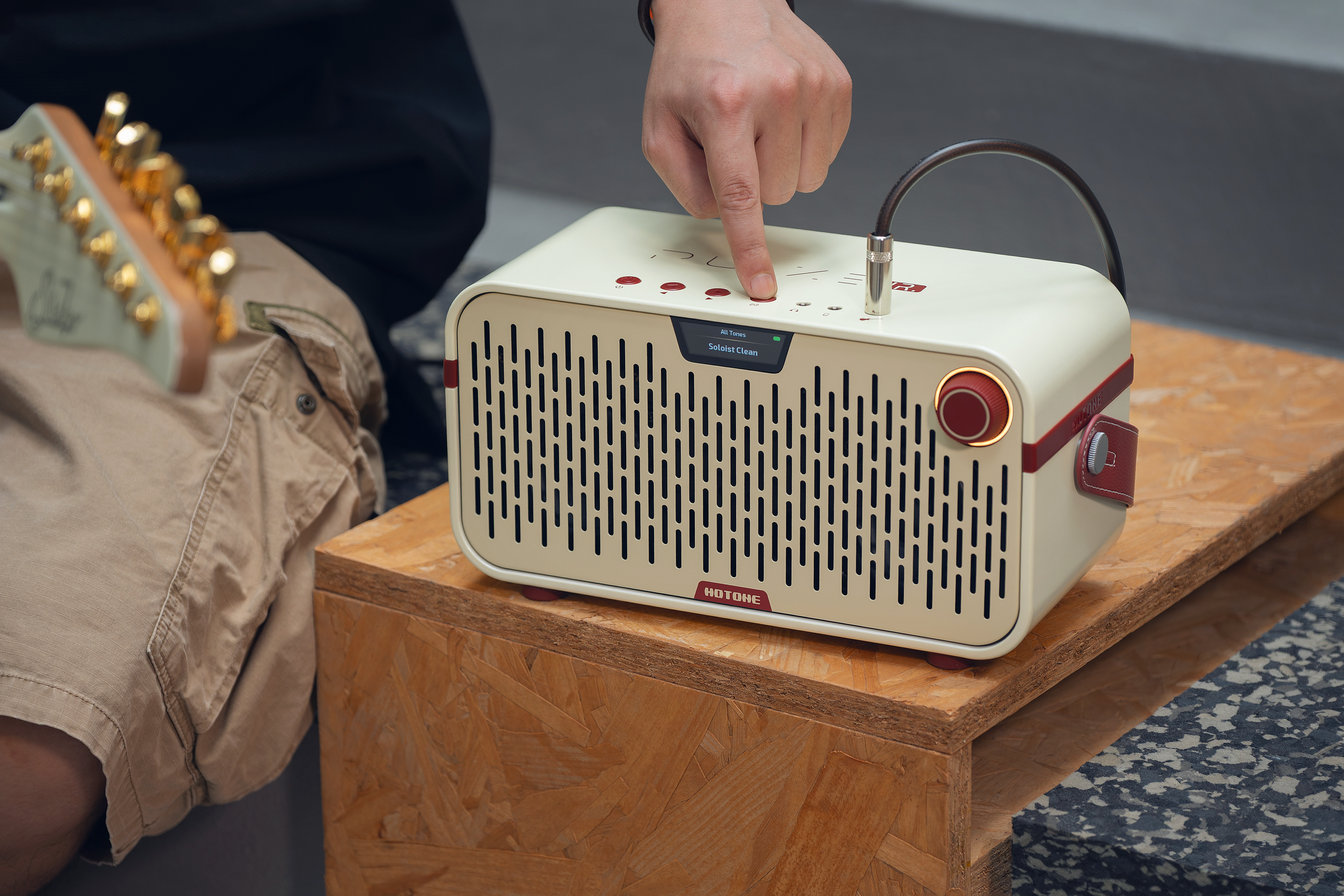
Hotone Pulze Jr. Brings AI-Powered Modeling and Portable Stereo Sound to Players on the Go Hotone has just introduced the Pulze Jr., a compact portable modeling amplifier designed to combine amp and effects modeling, practice tools, recording capabilities and wireless connectivity in a small, battery-powered package. For bass players, the Pulze Jr. looks particularly interesting as a compact practice and creative setup. Its dual 3-inch full-range speakers deliver 20W of stereo power, while Hotone’s CDCM HD and F.I.R.E. modeling system provides access to 52 amp models, 48 cabinet models and a selection of effects. The unit also supports acoustic simulations and user-loaded impulse responses. One of the Pulze Jr.’s main features is its open approach to tone creation. Alongside Hotone’s own modeling, the amp supports Neural Amp Modeler files, Hotone Sound Clone files and user IRs. Five Celestion speaker IRs are included, with support for up to 20 user IRs. Players can also save up to 200 presets and share or download tones through the Hotone Community. The other major focus is practice. Hotone has built AI-powered tools directly into the Pulze Jr., including AI tone creation and an AI stem splitter that can separate parts of imported songs to help create backing tracks. Smart backing tracks offer different musical styles, adjustable BPM and the option to control bass and intro parts, while an Infinite mode can continue generating accompaniment as you play. For bassists working on ideas at home, the Pulze Jr. also includes a 240-second looper, 100 drum patterns, a built-in tuner and USB audio connectivity. The USB-C connection provides a 2-in/2-out audio interface with loopback and reamp support, making it possible to use the unit as part of a computer-based recording setup without adding a separate interface. The Pulze Jr. is powered by a built-in 14.8V 3000mAh lithium battery, with up to eight hours of continuous playback at medium volume. It can also be powered from an 18V DC supply or charged using a compatible USB PD charger. At 282 × 143 × 130mm and 2.36kg, it is small enough to take from the practice room to another room, rehearsal space or outdoor session. Other features include Bluetooth audio, wireless control, a 1.95-inch colour LCD display, headphone output, auxiliary input and support for the optional Pulze Control foot controller. The Hotone Pulze Jr. certainly packs a lot into a compact enclosure, particularly for players looking for a portable practice and recording solution rather than a traditional bass combo. We’ll be putting one through its paces with bass in the coming days, so look out for our full review soon. The Pulze Jr. is available in Moonlight White and Eclipse Black finishes.

News

Harley Benton Introduces the Aged Series

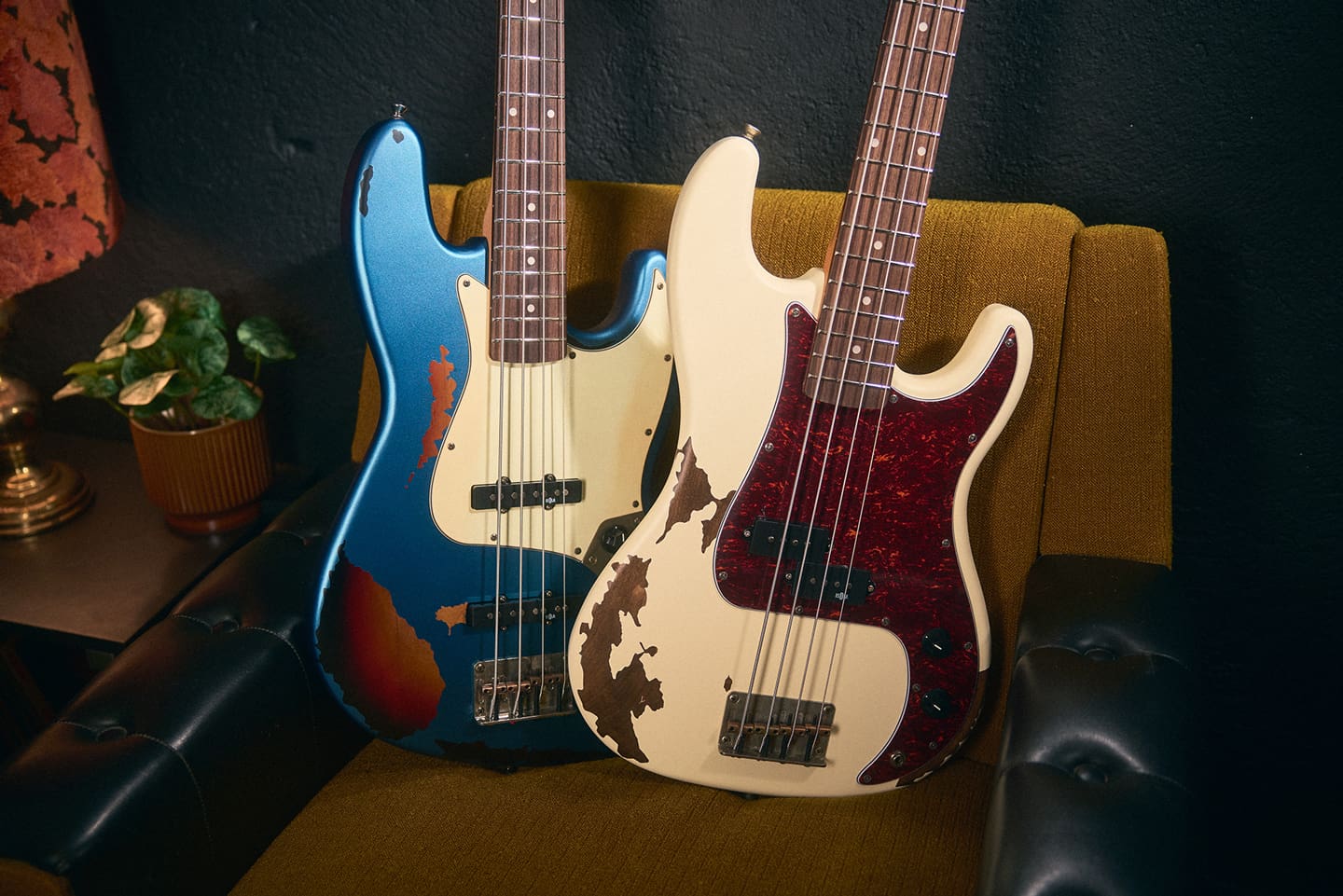
Harley Benton Introduces the Aged Series Basses with Hand-Finished Vintage Looks Love them or hate them, relic basses always get people talking. Harley Benton has officially unveiled its new Aged Series, bringing roadworn aesthetics to some of its most popular bass models without venturing into boutique pricing. If you’ve ever wanted the look of a decades-old workhorse but weren’t ready to spend custom-shop money, these might be worth a closer look. The bass lineup consists of two familiar designs: the PB-62 and the JB-62. The PB-62 delivers the classic Precision-style formula and is available in Black or Ocean White, while the JB-62 takes the Jazz Bass route with finishes including 3-Tone Sunburst and the particularly eye-catching Lake Placid Blue over Sunburst. Buyers can also choose between Light Aged and Heavy Aged versions, depending on just how much vintage character they want their instrument to wear. What makes this launch particularly interesting is that Harley Benton says every instrument is aged by hand, meaning no two basses should look exactly alike. From worn lacquer and finish checking to aged hardware, the company is aiming to recreate the feel and appearance of an instrument that’s spent decades on stages and in studios. Relic finishes remain one of the most divisive trends in the guitar world. Some players love the idea of an instrument that already feels broken in, while others would rather earn every scratch themselves. Either way, there’s no denying the appeal of a bass that looks like it has a story before you’ve even plugged it in. For Harley Benton, this feels like another step in raising expectations for what can be found in the affordable market. The brand has steadily improved its reputation over the past few years, and the Aged Series looks like an attempt to bring premium-inspired styling to a much wider audience. Of course, appearances are only half the story. The real question is whether these basses deliver the playability, tone, and overall quality that Harley Benton has become increasingly known for. That’s something we’ll have to find out once we get our hands on one. Given the amount of interest these basses are already generating online, don’t be surprised if the PB-62 and JB-62 become some of Harley Benton’s most talked-about bass releases this year.

News

Origin Effects Unveils EQDELUXE

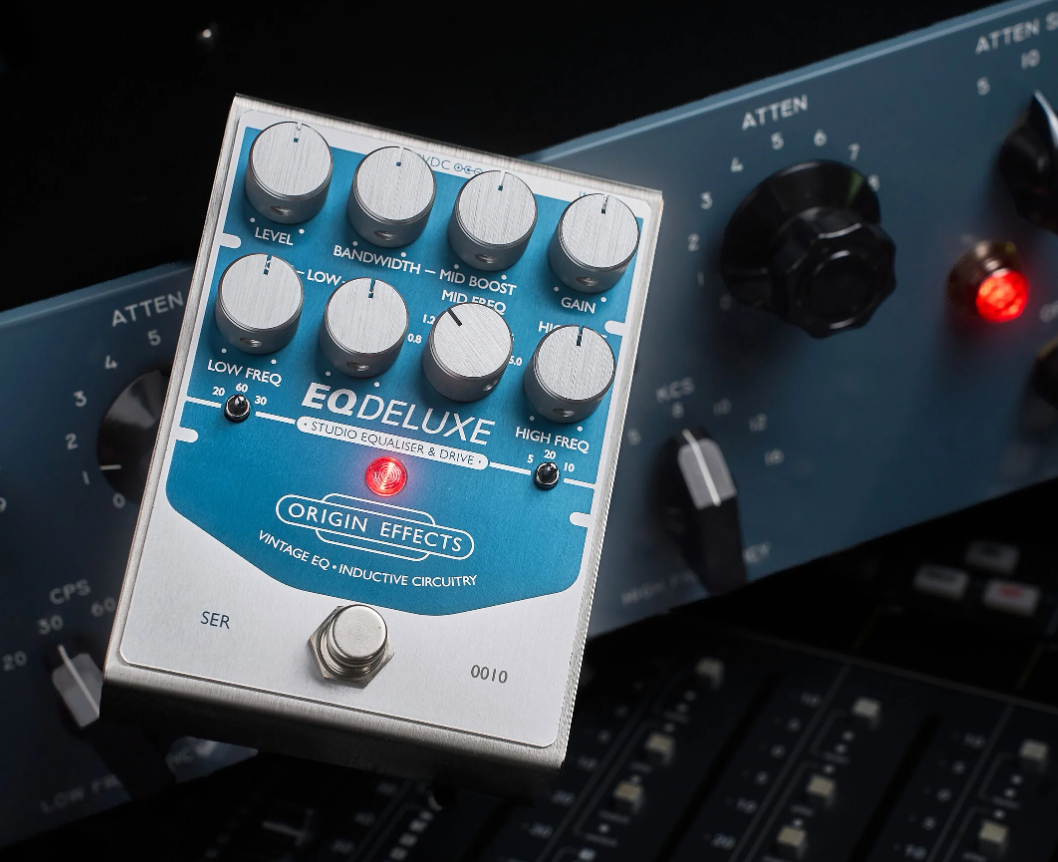
A Pultec-Inspired Analog EQ for Bass and Guitar Origin Effects has introduced the EQDELUXE, a compact all-analog equalizer inspired by the legendary 1950s Pultec EQP-1A studio EQ. Designed for both bass and guitar, the pedal aims to bring the musical EQ curves, subtle saturation, and renowned low-end enhancement of the classic studio unit to modern pedalboards. At the heart of the EQDELUXE is an inductive analog EQ circuit that recreates the character of the original Pultec design. One of its standout features is the famous “Pultec Low-End Trick,” allowing players to simultaneously boost and cut bass frequencies for a fuller low end while improving midrange clarity – a technique long favored in professional recording studios. Beyond its EQ capabilities, the pedal also incorporates a carefully designed solid-state output stage that emulates the harmonic richness and gentle saturation of the original valve-based Pultec circuitry, adding warmth and depth even with subtle settings. The EQDELUXE features frequency points specifically selected for bass and guitar, combining a dedicated low-frequency section, musical midrange boost controls, and smooth high-frequency attenuation. Despite its vintage inspiration, the pedal offers modern practicality with a high-headroom design suitable for instrument and line-level signals, buffered bypass, and premium construction throughout. Key Features The Origin Effects EQDELUXE is positioned as more than a conventional EQ pedal, offering players a way to shape their tone while adding the warmth and musical character that has made vintage Pultec equalizers legendary in recording studios for decades. Origin Effects has built a reputation for producing some of the finest boutique pedals on the market, consistently blending studio-grade sound quality with exceptional engineering and craftsmanship. Over the years, we’ve had the opportunity to review several of the company’s standout products here on Bass Gear Reviews, including the Cali76 Bass Compressor, Cali76 Compact Bass, and, more recently, the BASSRIG Fifteen. If you’d like to learn more about what makes Origin Effects one of the industry’s most respected manufacturers, be sure to check out our in-depth reviews on BassGearReviews.com.