Taking a look at one of the most influential brand of the last years
Over the past year, Darkglass has quietly shifted from its reputation as a boutique distortion brand into a broader, more ambitious tone-shaping innovator — and the ripple effects are already visible across bass pedalboards and studios alike.
From Classic Drive to Modern Workstation
For years, Darkglass Electronics built its identity on aggressive, modern bass drive tones. The B7K and Alpha Omega series helped define the sound of contemporary metal and progressive bass. But recently, the company has taken a much larger step forward.
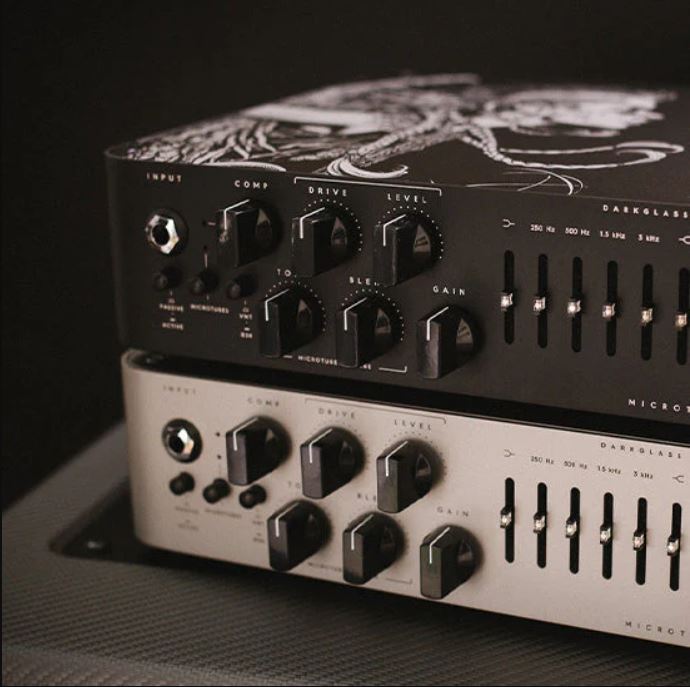
The launch of the Anagram Bass Workstation marked a turning point. Rather than releasing another distortion pedal, Darkglass introduced a fully-fledged multi-effects and amp-modeling platform designed specifically for bass players. With a large touchscreen interface, deep DSP processing, and flexible routing options, Anagram feels less like a pedal and more like a complete tone ecosystem.
Its block-based architecture allows extensive signal chain customization, blending parallel paths, dynamic processing, modulation, and amp modeling in ways that would normally require an elaborate pedalboard setup. Instead of focusing purely on drive, Darkglass is now competing in the broader digital modeling space — while still maintaining a bass-first philosophy.
From Pedals to Platform
What’s most interesting isn’t just the hardware — it’s the strategy.
Darkglass appears to be moving toward a platform model. Rather than a one-and-done product release, the workstation concept allows for expansion, updates, and new tone blocks over time. That shift mirrors trends in the guitar world, where players increasingly expect their gear to evolve through firmware updates and modular content.
For a brand that built its name on analog distortion circuits, this is a significant evolution. It signals long-term thinking — and possibly a deeper commitment to digital development moving forward.
Amplification Still Matters
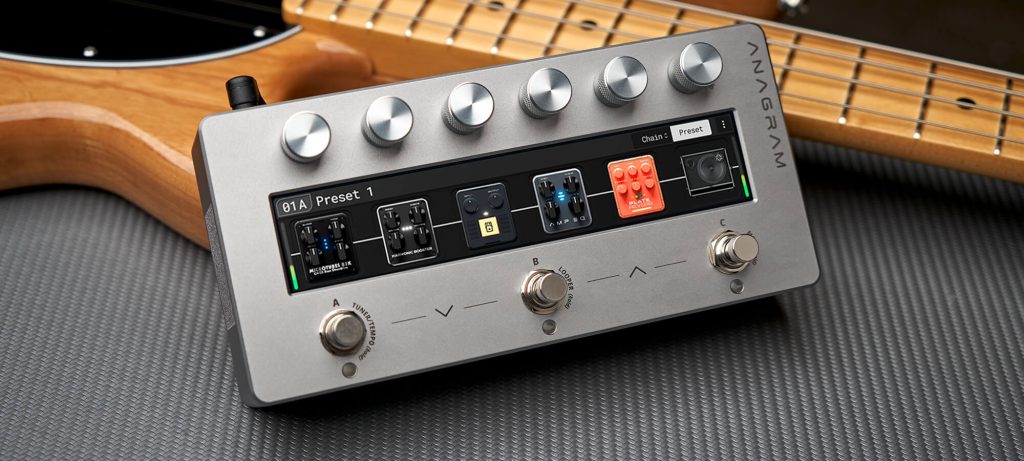
Despite the push into DSP territory, Darkglass hasn’t abandoned its roots in high-powered amplification. Their Microtubes amp series continues to bridge analog grit with modern convenience, offering features like onboard compression, cab simulation, and extensive connectivity options.
Rather than replacing traditional rigs, Darkglass seems to be building tools that integrate seamlessly into both analog and digital setups. That hybrid flexibility may be the key to their longevity.
The Bigger Picture
If there’s a theme emerging for Darkglass in 2026, it’s evolution.
- From boutique distortion specialist to full tone ecosystem
- From single-purpose pedals to expandable digital platforms
- From aggressive branding to broader musical versatility
The question now isn’t whether Darkglass can build great drive pedals — that’s already established. The real question is whether they’re positioning themselves to become one of the dominant bass technology companies of the next decade.
If Anagram and the broader platform strategy succeed, we may look back on this period as the moment Darkglass moved from cult favorite to industry cornerstone.
And for bass players, that shift could mean more flexibility, more innovation — and a future where bass gear development finally moves at the same pace as the guitar world.