Blog

Aguilar Octamizer
Reviews

Aguilar Octamizer – Organic Octave: Pedal Review

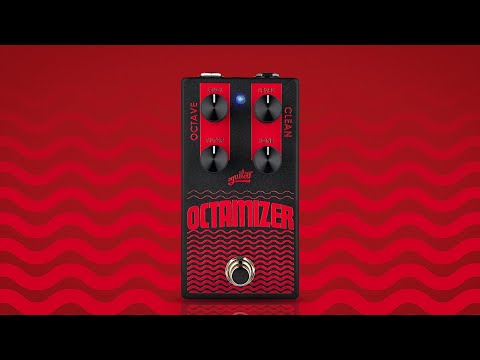
A Modern Classic in Analog Bass Octave Aguilar has long been associated with high-quality bass gear that prioritizes musicality, reliability, and real-world usability. Among its pedal lineup, the original Octamizer has earned a reputation as one of the most dependable analog octave pedals available for bass. Rather than chasing extreme synth textures or overly processed sounds, the Octamizer focuses on delivering a solid, musical octave-down voice that integrates naturally into a bass rig. Years after its release—and now alongside the new Octamizer DLX—the original Octamizer remains a relevant and highly effective tool for bass players. Check the Aguilar Octamizer On Amazon –> Design & Build Quality The Octamizer is housed in Aguilar’s familiar compact enclosure, built to withstand consistent gigging and pedalboard use. The layout is clean and intuitive, with clearly labeled controls and a single footswitch that makes operation straightforward in live situations. True bypass switching preserves signal integrity, and overall construction reflects Aguilar’s emphasis on durability and long-term reliability. Controls & Functionality The Octamizer features a focused but highly musical control set designed specifically for bass. Clean Level and Octave Level controls allow precise blending of the dry and effected signals, making it easy to reinforce the low end or push the octave voice forward as needed. Crucially, the pedal provides separate tone shaping for each signal path. The Clean Tone control adjusts the brightness of the dry signal, allowing players to preserve clarity or roll off highs to better match the octave voice. The Octave Filter shapes only the octave-down signal, moving from deep, smooth sub tones to brighter, more defined textures that cut through a mix. This separation gives the Octamizer more flexibility than many analog octave pedals while keeping the interface simple and intuitive. Tracking & Performance Tracking is one of the Octamizer’s strongest attributes. Across most of the bass register, the pedal responds quickly and predictably, with stable performance on lower notes and clean articulation in the mid range. When played with solid technique, the octave-down voice feels tightly connected to the original note rather than detached or synthetic. As expected from an analog design, clean input and controlled playing yield the best results, but the Octamizer consistently rewards players with reliable, musical tracking. Tone & Musical Application Tonally, the Octamizer leans organic and supportive rather than overtly synth-like. The octave-down sound is thick and authoritative, making it well suited for funk, rock, soul, worship, and pop contexts where low-end reinforcement is essential. The interaction between the Clean Tone and Octave Filter controls allows the pedal to sit naturally in a variety of mixes. Darker octave settings provide classic sub weight, while brighter filter settings add definition for more complex lines or denser arrangements. While the Octamizer does not include octave-up voices or multiple modes, its focused design is also its strength—it delivers a high-quality octave-down sound without unnecessary complexity. Live & Studio Use In live situations, the Octamizer is easy to integrate and dependable under foot. The single-switch operation makes it ideal for players who need immediate access without menu diving or preset management. In the studio, its consistent tracking and natural voicing make it an excellent choice for reinforcing bass lines without overpowering the original tone. The pedal also stacks well with compressors, filters, and drive pedals, expanding its usefulness across different signal chains. Final Thoughts The original Aguilar Octamizer remains one of the most musically satisfying analog octave pedals available for bass. Its strong tracking, organic tone, and intelligently separated tone controls have helped it stand the test of time, even as newer and more complex octave pedals enter the market. With the release of the Octamizer DLX, Aguilar has expanded the platform’s capabilities—but the original Octamizer still holds its place as a straightforward, professional-grade octave pedal that delivers exactly what many bass players need. For those seeking a reliable, great-sounding octave-down effect with no excess complexity, the Aguilar Octamizer continues to be a benchmark in its category. Get your Aguilar Octamizer on Amazon Now! If you enjoyed this product from Aguilar, you’ll like other articles on Aguilar: – Aguilar Plugin Suite: All the classic Aguilar sounds, now on your DAW.
JHS Plugin Suite Review
Reviews

JHS Loud Is More Good Collection: Plugin review

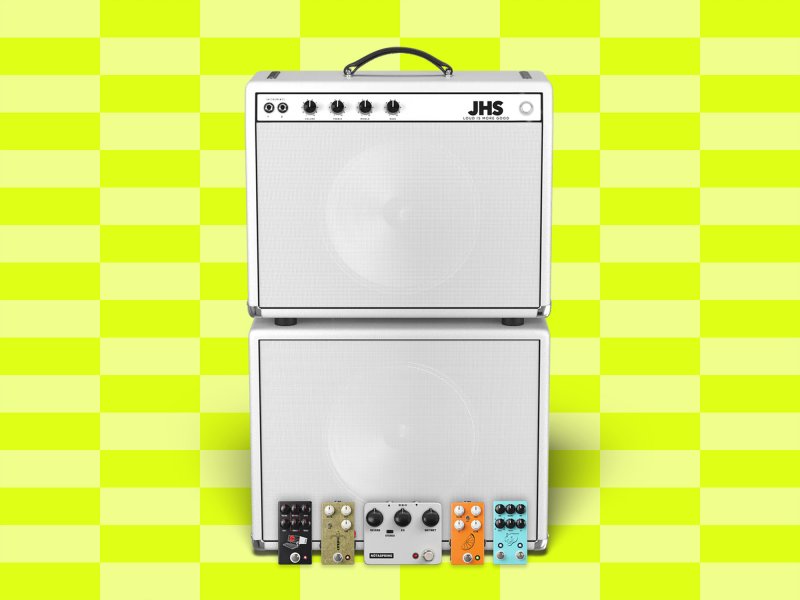
JHS Plugin Suite on Bass: A Practical Review The JHS Loud Is More Good Collection brings some of JHS’s most recognizable pedal designs, along with an amplifier model, into the digital realm for use in DAWs or standalone environments. The suite includes overdrive, distortion, compression, delay, reverb, and amp simulation, all modeled to capture the behavior and character of their analog counterparts. As a bass player who regularly tracks and shapes bass tones in the box, I spent time using these plugins with real bass performances in practical recording and production scenarios. This review reflects hands-on use with direct-in bass tracks, parallel processing, and creative sound design, with a focus on how well these tools translate to bass despite their guitar-centric origins. TL;DR The JHS Plugin Suite offers musical, character-driven effects that can work very well on bass when used thoughtfully. It excels at adding grit, compression, depth, and ambience, but it is not a bass-specific plugin collection. Preserving low-end fundamentals often requires careful gain staging, EQ, or parallel blending. As a creative tone-shaping toolkit rather than a complete bass solution, it performs admirably. The Review: A Bass Player’s Perspective What’s Included The Loud Is More Good Collection includes the following plugins: Together, these plugins represent a full signal chain that mirrors a traditional pedalboard plus amplifier setup, now adapted for modern production workflows. Bass Compatibility and Signal Shaping None of the plugins are marketed as bass-specific, and there are no dedicated low-frequency compensation controls. Because of this, successful bass use depends on intentional signal routing and, in many cases, parallel processing. When approached this way, the plugins can complement bass tracks rather than compromise them. Compression and Clean Tone Shaping The Pulp ’N’ Peel compressor stands out as one of the most immediately useful tools for bass. In practice, it provides smooth dynamic control and a subtle sense of glue that works well on DI tracks. It adds presence without flattening the instrument’s natural dynamics and responds musically to variations in playing style. Used either directly on a track or blended in parallel, it helps bass parts sit more confidently in a mix. Overdrive and Distortion The Morning Glory and Hard Drive plugins offer two very different flavors of drive. Morning Glory is more transparent, adding harmonic richness and edge while largely preserving the core bass tone. It works well for subtle grit, especially in rock, indie, and pop contexts. Hard Drive is more aggressive and better suited to heavier tones. It can generate dense harmonic content that helps bass cut through a mix, but it requires more careful dialing to avoid masking low-end fundamentals. In my experience, blending it in parallel with a clean signal yields the most usable results. Delay and Time-Based Effects: Panther Cub The Panther Cub delay brings analog-style bucket brigade delay into the suite, complete with tempo sync, modulation, and tone shaping controls. On bass, subtle delay settings add depth and rhythmic interest without cluttering the low end. Used sparingly or on an auxiliary track, Panther Cub creates movement and space behind the fundamental rather than competing with it. More extreme settings open the door to creative and ambient bass textures, particularly useful in experimental, ambient, or post-rock contexts. The modulation controls help the repeats feel organic rather than static, which suits bass particularly well when used for texture rather than clarity. Reverb and Space: NÖTASPRING The NÖTASPRING reverb emulates classic spring reverb behavior while offering modern control over tone and mix. For bass, it is best used with restraint. Low wet/dry settings or parallel routing allow the bass to retain definition while gaining a sense of depth and space. NÖTASPRING works especially well for atmospheric passages, dub-inspired lines, or sparse arrangements where bass occupies more sonic real estate. It is less about subtle room ambience and more about character and texture. Amp and Cabinet Modeling The Loud Is More Good Amp provides amp and cabinet modeling with mic placement options. While clearly modeled after a guitar amplifier, it can still be used creatively on bass. Gentle settings add color and midrange presence, while heavier drive settings function better as effect tones than as primary bass amp replacements. As with the drive pedals, using this amp model in parallel with a clean DI track helps retain low-end solidity while benefiting from the amp’s character. Workflow and Integration The suite integrates smoothly into standard DAW workflows and can also be used in standalone mode. Signal chain order is flexible, tempo-based effects sync easily to sessions, and the interface design encourages experimentation. For bass players working primarily in the box, the plugins feel responsive and musically engaging rather than clinical. Pros Cons FAQs Can the JHS Plugin Suite be used effectively on bass?Yes. While not bass-specific, the plugins can be very effective when used intentionally, particularly with parallel processing. Which plugins are most useful for bass?Pulp ’N’ Peel is immediately useful for compression and tone shaping, while Morning Glory, Panther Cub, and NÖTASPRING excel at adding character and space. Do these plugins replace dedicated bass amp sims?Not entirely. They work best as creative tools alongside clean DI tracks or bass-focused amp simulations. Are these plugins suitable for modern production styles?Yes. They lend themselves well to rock, indie, experimental, ambient, and pop bass tones, especially where character is valued over pristine cleanliness. Conclusion The JHS Plugin Suite is not a purpose-built bass toolkit, but it doesn’t need to be to earn a place in a bassist’s plugin arsenal. When approached with intention, it offers rich character, musical response, and creative flexibility that translate well to bass recording and production. With careful routing and a respect for low-end fundamentals, these plugins can add personality and depth that goes beyond clean DI tones, making them a valuable complement to more bass-focused tools. If you enjoyed checking out this JHS product, here are more JHS products worth exploring — all tested and reviewed here on BassGearReviews: – JHS Colour Box V2 – Neve Style Preamp Pedal – JHS 424 Gain Stage – preamp/fuzz pedal

Fodera X Trickfish Preamp/Practice Amp
News

Best Of NAMM 2026: Fodera x Trickfish Preamp

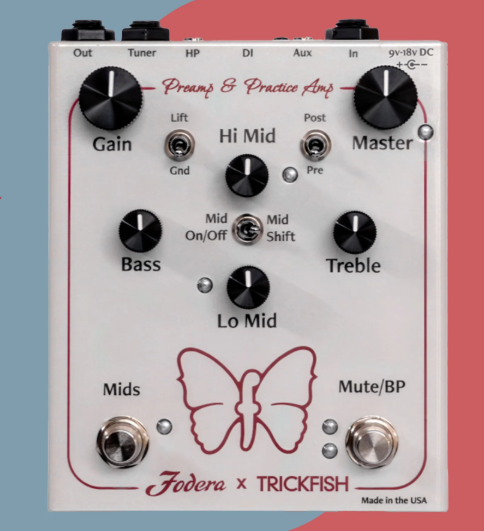
Best of NAMM 2026: Bass Pedals That Defined the Show Every January, the NAMM Show brings together manufacturers, artists, retailers, and media from around the world for the largest and most influential music industry trade event. For gear companies, NAMM is the ideal stage to unveil new products, gather real-time feedback from players, and set the tone for the year ahead. New releases debuting at NAMM often reflect where technology, design, and player demand are heading, making the show a reliable snapshot of the future of music gear. Our Best of NAMM 2026 series highlights the most noteworthy bass pedals launched at this year’s event—tools that stood out for innovation, tone, and real-world usefulness for working bassists. One of the most significant bass pedal releases at NAMM 2026 came from an unexpected but highly complementary collaboration: Fodera and Trickfish. Known respectively for boutique bass craftsmanship and high-fidelity amplification, the two brands joined forces to create a Preamp / Practice Amp pedal that bridges premium tone shaping with practical, everyday usability. At its core, the Fodera x Trickfish pedal is designed to deliver true Trickfish amp voicing in a compact, pedalboard-ready format, while preserving the articulate, full-range response Fodera instruments are known for. The preamp section offers a clean, modern bass tone with ample headroom, fast transient response, and a focused low end that remains tight even at higher output levels. The EQ is voiced for musical, intuitive shaping rather than extreme coloration, making it easy to dial in everything from pristine studio tones to authoritative live sounds. What truly sets this unit apart is its integrated practice amp functionality. A built-in headphone amplifier allows bassists to practice silently without sacrificing tone quality, while auxiliary input support makes it easy to play along with tracks, loops, or backing material. Unlike many practice-focused devices, this pedal maintains professional audio quality, ensuring that the sound heard through headphones closely mirrors what would be sent to a PA or recording interface. With balanced DI output, headphone monitoring, and a compact footprint, the Fodera x Trickfish Preamp / Practice Amp is clearly aimed at modern bassists who need one solution that works at home, in the studio, and on stage. It stands out at NAMM 2026 not just as a convenience tool, but as a serious tone platform that reflects the shared design philosophy of two respected bass brands focused on clarity, precision, and real-world performance.

Tech21 Bass Driver Elite
News

Best Of NAMM 2026: Tech 21 SansAmp Bass Driver DI Elite

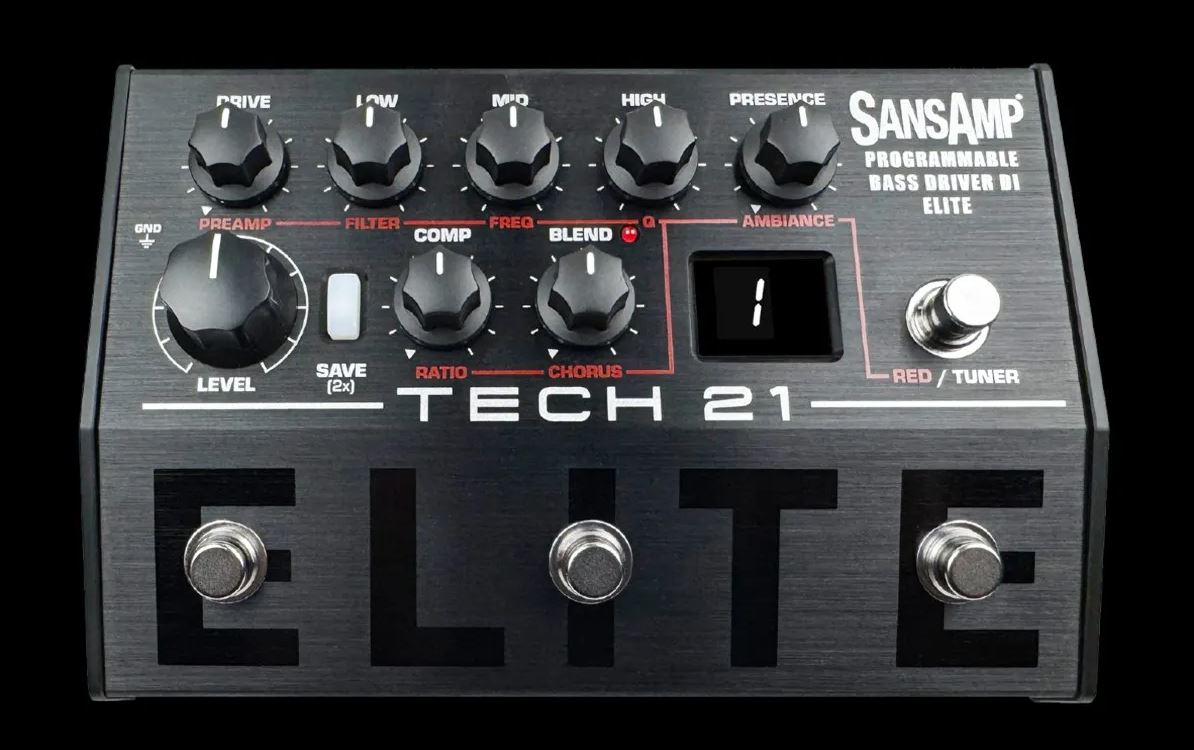
Best of NAMM 2026: Bass Pedals That Defined the Show Every January, the NAMM Show brings together manufacturers, artists, retailers, and media from around the world for the largest and most influential music industry trade event. For gear companies, NAMM is the ideal stage to unveil new products, gather real-time feedback from players, and set the tone for the year ahead. New releases debuting at NAMM often reflect where technology, design, and player demand are heading, making the show a reliable snapshot of the future of music gear. Our Best of NAMM 2026 series highlights the most noteworthy bass pedals launched at this year’s event—tools that stood out for innovation, tone, and real-world usefulness for working bassists. Tech 21 raised the bar for bass preamp and DI pedals with the SansAmp Bass Driver DI Elite, a fully programmable evolution of one of the most iconic bass tools ever made. The Elite version expands the familiar SansAmp sound into a modern, flexible platform suited for both live performance and studio work. The pedal features multiple operating modes, including a performance-oriented preset layout and a deeper studio mode capable of storing a large number of custom presets. Familiar controls such as drive, blend, EQ, presence, and compression remain central to the experience, preserving the touch sensitivity and character that define the SansAmp sound. Advanced editing options unlock additional parameters such as parametric mids, compression behavior, ambience, and modulation, while MIDI support and comprehensive connectivity make the Elite a powerful centerpiece for complex rigs. For bassists who rely on direct sound and consistent tone, the Bass Driver DI Elite stands out as one of the most capable and forward-thinking releases of NAMM 2026.

Aguilar TCL DLX
News

Best Of NAMM 2026: Aguilar TLC DLX Compressor EQ

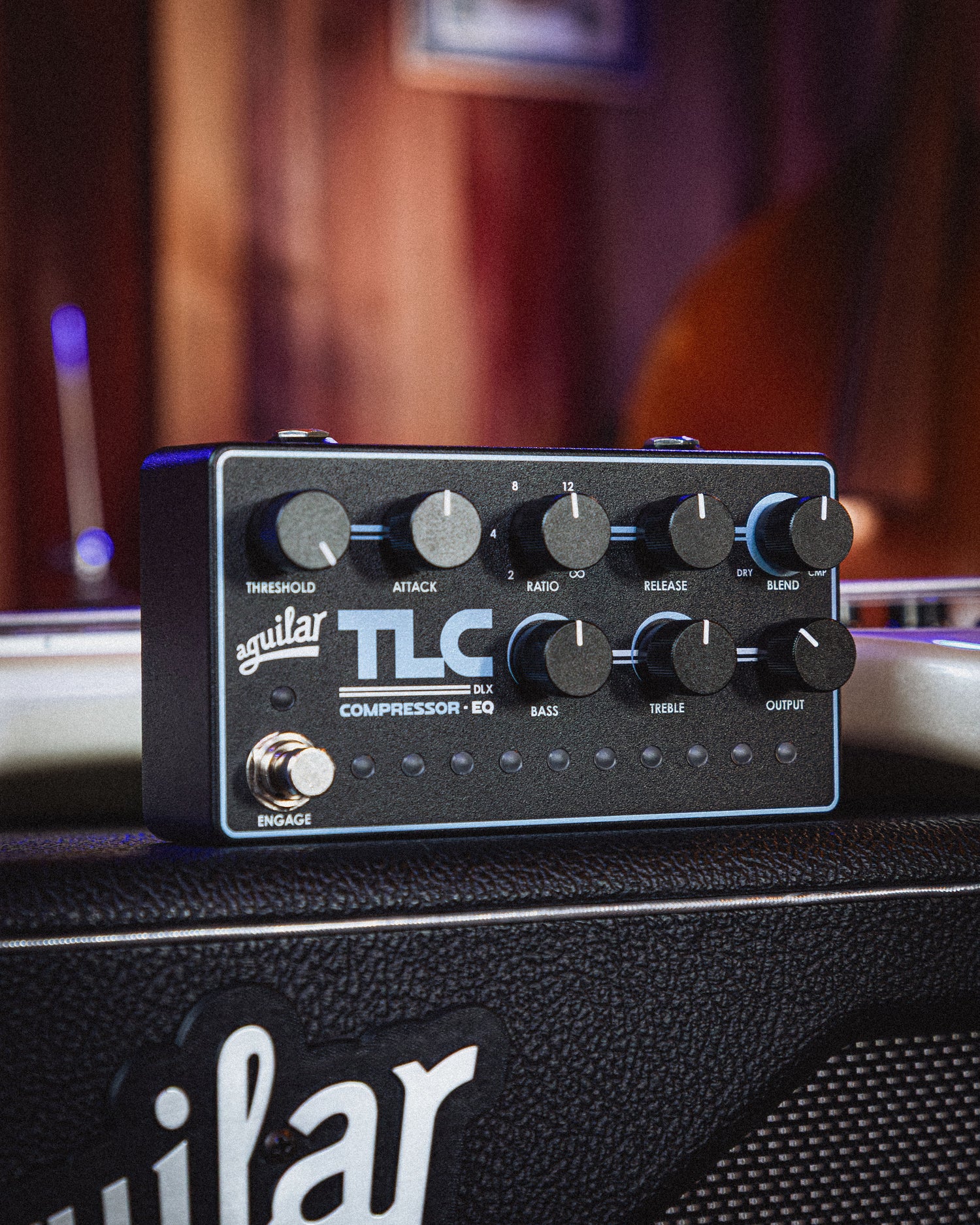
Best of NAMM 2026: Bass Pedals That Defined the Show Every January, the NAMM Show brings together manufacturers, artists, retailers, and media from around the world for the largest and most influential music industry trade event. For gear companies, NAMM is the ideal stage to unveil new products, gather real-time feedback from players, and set the tone for the year ahead. New releases debuting at NAMM often reflect where technology, design, and player demand are heading, making the show a reliable snapshot of the future of music gear. Our Best of NAMM 2026 series highlights the most noteworthy bass pedals launched at this year’s event—tools that stood out for innovation, tone, and real-world usefulness for working bassists. The Aguilar TLC DLX takes the company’s well-regarded compressor pedal and transforms it into a full-featured dynamics and tone tool for bassists. Designed with studio-style control in mind, the TLC DLX offers adjustable threshold, ratio, attack, release, output, and blend controls, giving players precise command over their dynamics. An integrated gain-reduction meter provides clear visual feedback, making it easy to dial in subtle compression or more assertive limiting. Parallel compression via the blend control helps retain natural feel and punch, even with heavier settings. In addition to compression, the TLC DLX includes bass and treble tone controls inspired by Aguilar’s classic preamp circuits. This allows players to shape their sound after compression, effectively turning the pedal into a compact channel strip that works equally well on stage or in the studio.