Blog

News

Boss Unveils the XS-100 and XS-1 Poly Shifters

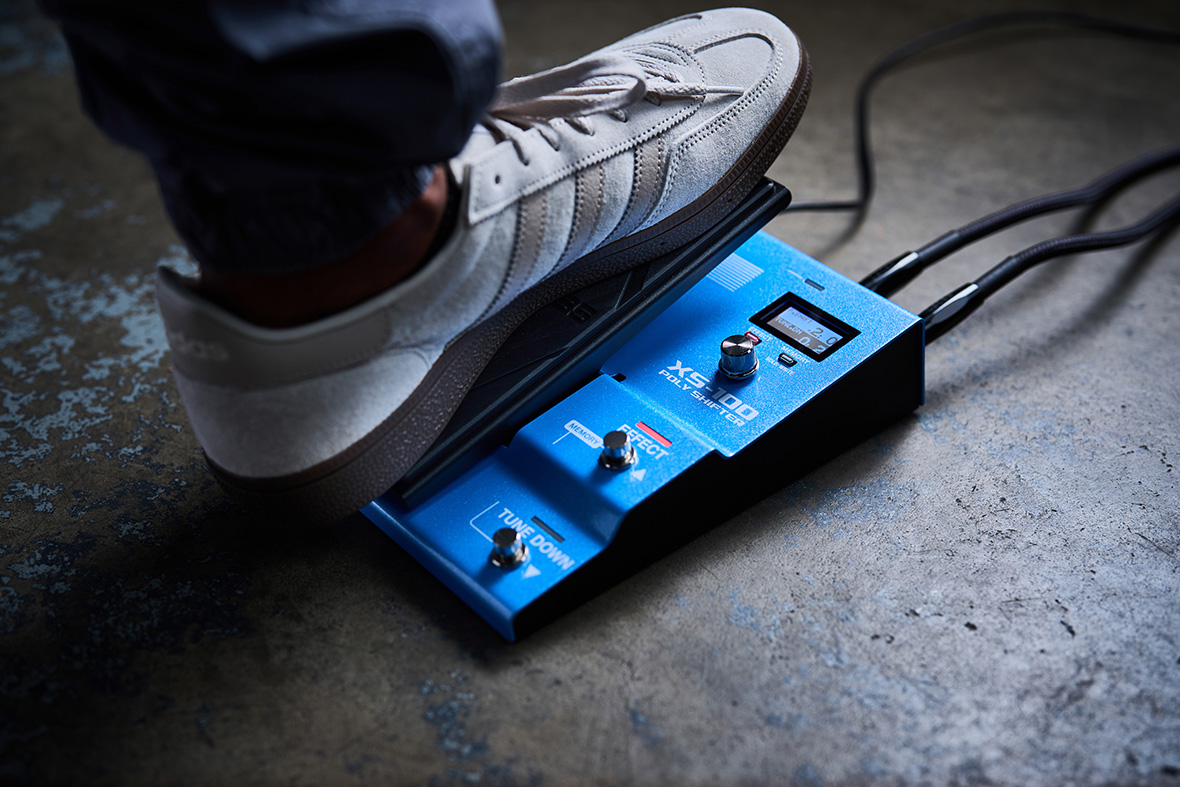
A New Chapter in Pitch Control Boss has officially announced two new entries in its effects lineup: the XS-100 Poly Shifter and the XS-1 Poly Shifter, bringing advanced pitch-shifting capabilities to both flagship and compact pedal formats. Designed for both guitar and bass, these pedals aim to push real-time pitch control deeper — with more range, more flexibility, and cleaner tracking with fewer artifacts. XS-100 Poly Shifter — The Flagship Workhorse The XS-100 offers an impressive ±4-octave range, giving players a massive eight-octave span to explore. It includes a built-in expression pedal for smooth sweeping control, with the ability to set independent pitch-change speeds for upward and downward movements. This allows for effects that can resemble revving engines or controlled glides. A toe switch at the end of the pedal travel enables momentary pitch jumps, and players can assign different rise and fall times for creative results. Two onboard footswitches give quick access to semitone jumps or other functions across the full range, and the pedal holds 30 memory slots for storing favorite setups. Additional customization includes reassignable switches, compatibility with external footswitches or expression pedals, MIDI integration, and a secondary output for parallel routing. Most importantly, Boss claims the XS-100 runs on a newly developed DSP platform designed to suppress artifacts and preserve clarity, even with complex chords and wide-interval shifts. For bassists, this could mean clean tracking across the low end, smooth sub-octaves, and expressive sweeps without losing punch or definition. XS-1 Poly Shifter — Compact Power The XS-1 brings a simpler approach in a smaller form factor. It offers up to ±7 semitones of shifting in semitone mode, or a full ±3 octaves in octave mode. Controls are pared down to two knobs — one for balancing the dry and shifted signal, and one for selecting the shift interval. A detune mode is included for chorus-like doubling effects. Despite its compact size, the XS-1 supports external footswitches and expression pedals, letting players add flexibility and pitch-bending control. Like the XS-100, it benefits from the same new pitch-tracking algorithms aimed at delivering clean, artifact-free performance. Pricing and Availability The XS-100 will retail at $349.99, while the XS-1 will come in at $199.99. Both are scheduled to begin shipping in October 2025. Conclusion With these two new pedals, Boss is making a strong statement in the world of pitch-shifting. The XS-100 is designed for players who want maximum control and versatility, while the XS-1 delivers the essentials in a compact, straightforward package. For bassists and guitarists alike, both pedals open the door to new creative possibilities, from subtle harmonies to dramatic pitch sweeps. Whether you need a full-featured pitch workstation or a streamlined solution for retuning and layering, the XS series looks set to become an exciting new option on the market. Want to See More Boss Products? Check out our other reviews of standout pedals from the Boss lineup:
Reviews

Flamma FB200 Bass Multi-Effects – Portable & Affordable: Pedal Review

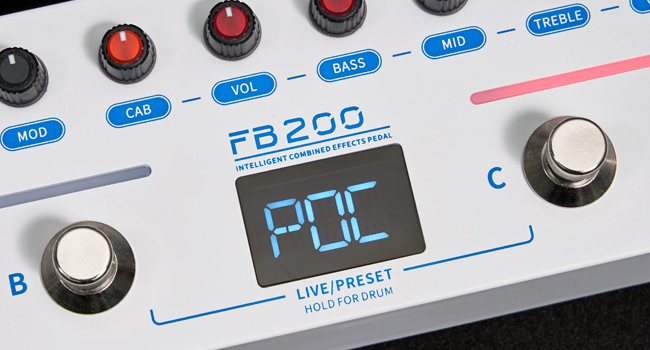
Portable, Affordable & Feature-Packed Multi Effects Processor for Bass Players Disclaimer: This pedal was kindly provided by Flamma Innovation for the purpose of this review. However, this does not influence our opinions or the content of our reviews. We strive to provide honest, unbiased, and accurate assessments to ensure that our readers receive truthful and helpful information. Introduction Bass players increasingly want compact, all-in-one tools that work at home, in the studio and on a small stage. The Flamma FB200 attempts to be exactly that: amp and cab sims, effects, IR support, drum machine, rechargeable battery, Bluetooth streaming — all squeezed into a pocketable pedalboard unit. It’s affordable, portable and surprisingly capable. This review digs into the features, sound and workflow, and corrects earlier confusion about the two operating modes so you can plan exactly how to use the unit in rehearsal and onstage. TL;DR The FB200 packs a lot for the money: 20 amp/cab models, 9 user IR slots, 19 effects, 40 presets, a drum machine, Bluetooth and a rechargeable battery. Great for practice, travel and small gigs; not a substitute for top-tier modelers if you require studio-grade amp fidelity. Check Price on Amazon –> Design & Controls Dimensions: 311 × 67.5 × 49.7 mm. Weight: ~578 g. The FB200 is compact but laid out with 16 dedicated knobs, four multi-purpose footswitches and a three-character display. The chassis feels solid for its class and an ambient LED strip is included (can be muted). Inputs/outputs are straightforward: ¼″ in, headphone out, USB-C for power/data and Bluetooth 5.0 for streaming backing tracks. Core features Working modes This is important for workflow planning: Why this matters: use Live Mode to craft and refine tones (and save them), then switch to Preset Mode for stage reliability and fast preset recall. Sound & performance Amp sims are practical and musical: cleans are articulate, drives are usable and respond well to attack and dynamics. On their own they’re practical rather than hyper-authentic; loading IRs is the quickest way to lift cabinet realism. Effects are solid for the price — compressors and EQ are particularly useful for bass duties; modulation and reverb are competent and tasteful. No problematic latency was heard; changes and saved patches behave predictably. Usability & workflow The 16 knobs mean you can often avoid menus entirely — great for Live Mode tweaking. The small display keeps things simple in Preset Mode (preset number/name) but won’t replace a large editor screen for deep patch management. The combination of Live and Preset modes lets you adopt a studio→stage workflow: design in Live Mode, save, then switch to Preset Mode for the gig. Battery, portability & recording The internal battery makes the FB200 ideal for busking, travel and home practice. USB-C charging and OTG recording make it easy to capture DI takes without extra gear. For extended multi-set nights you’ll want external power as backup. Pros & Cons Pros Cons FAQs Q: Which mode should I use onstage?A: Use Preset Mode for onstage performance — it’s designed for fast, reliable preset switching. Use Live Mode during soundcheck or when you need to tweak parameters and save new presets. Q: Can I create and save a new preset on the fly?A: Yes — switch to Live Mode, tweak parameters, then save the changes as a new preset. After saving, switch back to Preset Mode for recall during performance. Q: How good are the IRs and how many can I store?A: IR support is a major strength; you can store 9 user IRs. Quality depends on the source IRs you load — high-quality third-party IRs significantly improve realism. Q: Is the FB200 suitable for recording DI bass?A: Yes. USB-C OTG allows direct recording to a computer or compatible mobile device, making the FB200 a good DI solution for demos and home recordings. Q: Will the battery change the tone?A: No audible tone change was noted between battery and USB-powered use in routine testing. Keep the battery charged for consistent performance. Conclusion The Flamma FB200 is a practical, well-thought-out multi-effects solution for bassists who need portability, hands-on control and a broad feature set without a pro-level price tag. The corrected mode behavior — Preset Mode for fast switching and Live Mode for full parameter access and saving — gives you both the stage reliability and the creative flexibility many players want. If you’re a student, commuter, gigging musician needing a compact rig, or someone who likes to tweak sounds and store the best ones for performance, the FB200 is an excellent value. For more information: Official product page — Flamma FB200 Product PageFor international availability and shipping details: Flamma Worldwide Shipping Get your Flamma FB200 today on Amazon!

Sterling Bongo
News

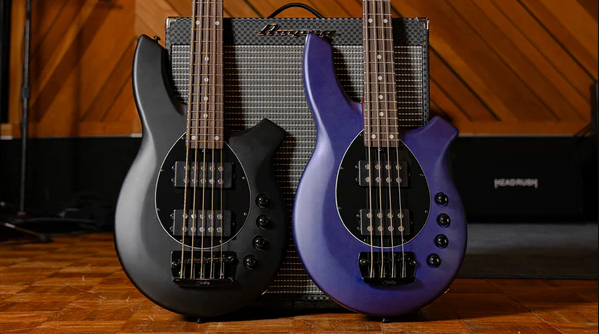
Sterling by Music Man Introduces the Bongo Bass

The Music Man Classic on a New Affordable Version Sterling by Music Man is proud to announce the release of the Bongo, a modern classic reimagined for a wider range of players. Long celebrated for its distinctive design and bold sound, the Bongo is now available in both 4- and 5-string configurations at an accessible price point—bringing its signature style and performance to a broader audience. Comfort Meets Performance The Bongo has always been known as a player’s instrument, blending ergonomic comfort with uncompromising expression. Featuring a roasted maple neck paired with a rosewood fingerboard, it delivers a smooth, responsive playing experience. The bass’s sleekly contoured body and deep cutaways provide effortless upper-fret access, making it as comfortable on stage as it is in the studio. Versatile Electronics At the heart of the Bongo’s tone is its HH dual humbucker pickup configuration, complete with a pickup blend control and a 2-band active EQ. This setup ensures powerful, punchy lows, articulate highs, and a wide tonal palette that adapts to any style or genre. Whether anchoring the groove or cutting through the mix, the Bongo is ready to shape the perfect tone. Defy the Norm Visually, the Bongo has never been afraid to break the mold—and the Sterling by Music Man version continues that tradition. With its bold, sleek finishes and color-matched headstock, the instrument exudes a modern aesthetic that’s built to stand apart on any stage. Available Now The Sterling by Music Man Bongo is available immediately in 4- and 5-string models, offering players more options to match their musical needs. With its combination of comfort, versatility, and unique style, the Bongo delivers everything bassists have come to love—now in a more accessible package. For more information, visit Sterling by Music Man’s official website.

News

Darkglass Releases New Blocks for the Anagram Pedal

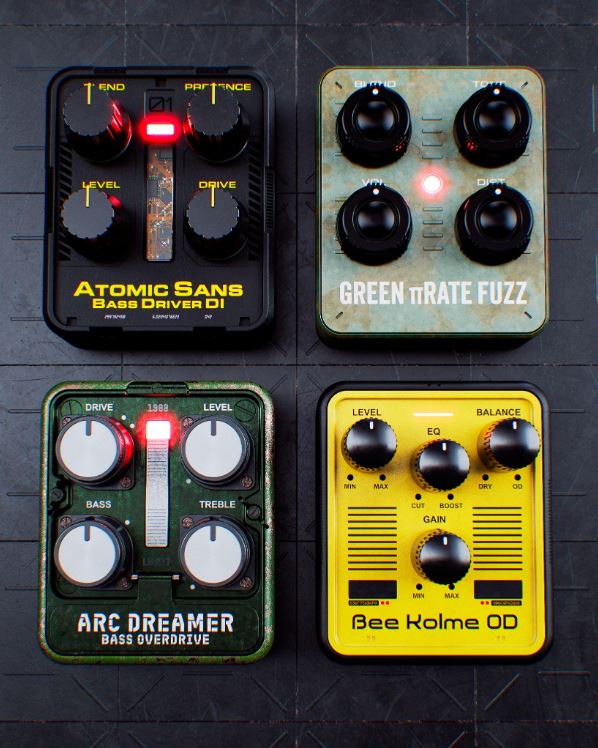
Darkglass Adds Four New Drive & Fuzz Blocks to the Anagram Pedal Darkglass Electronics has just expanded the sonic palette of their powerful Anagram pedal with the release of four new overdrive and distortion blocks in the latest firmware update, v1.5.0. Known for pushing the limits of bass tone design, Darkglass continues to blur the line between analog inspiration and digital innovation, giving players access to an even broader range of classic and modern drive flavors. What’s New in v1.5.0 A Growing Sonic Toolbox With these new additions, the Anagram now offers bassists an even more versatile arsenal of drive, fuzz, and distortion options—all available in one pedal. The update reflects Darkglass’s continued commitment to blending the best of analog character with modern flexibility, ensuring that the Anagram evolves alongside its players. Availability The Anagram v1.5.0 firmware update is available now. Owners can download and install it to unlock the new Atomic Sans, Green πrate Fuzz, Bee Kolme OD, and Arc Dreamer blocks immediately. Darkglass Anagram users: it’s time to update and explore these new tones. If you enjoyed checking out this Darkglass news piece, here are more Darkglass products worth exploring — all tested and reviewed here on BassGearReviews: – Darkglass Anagram – Digital Tone-Shapping Powerhouse – Darkglass Kaamos – Octave Fuzz

MXR Bass Envelope FIlter
Reviews

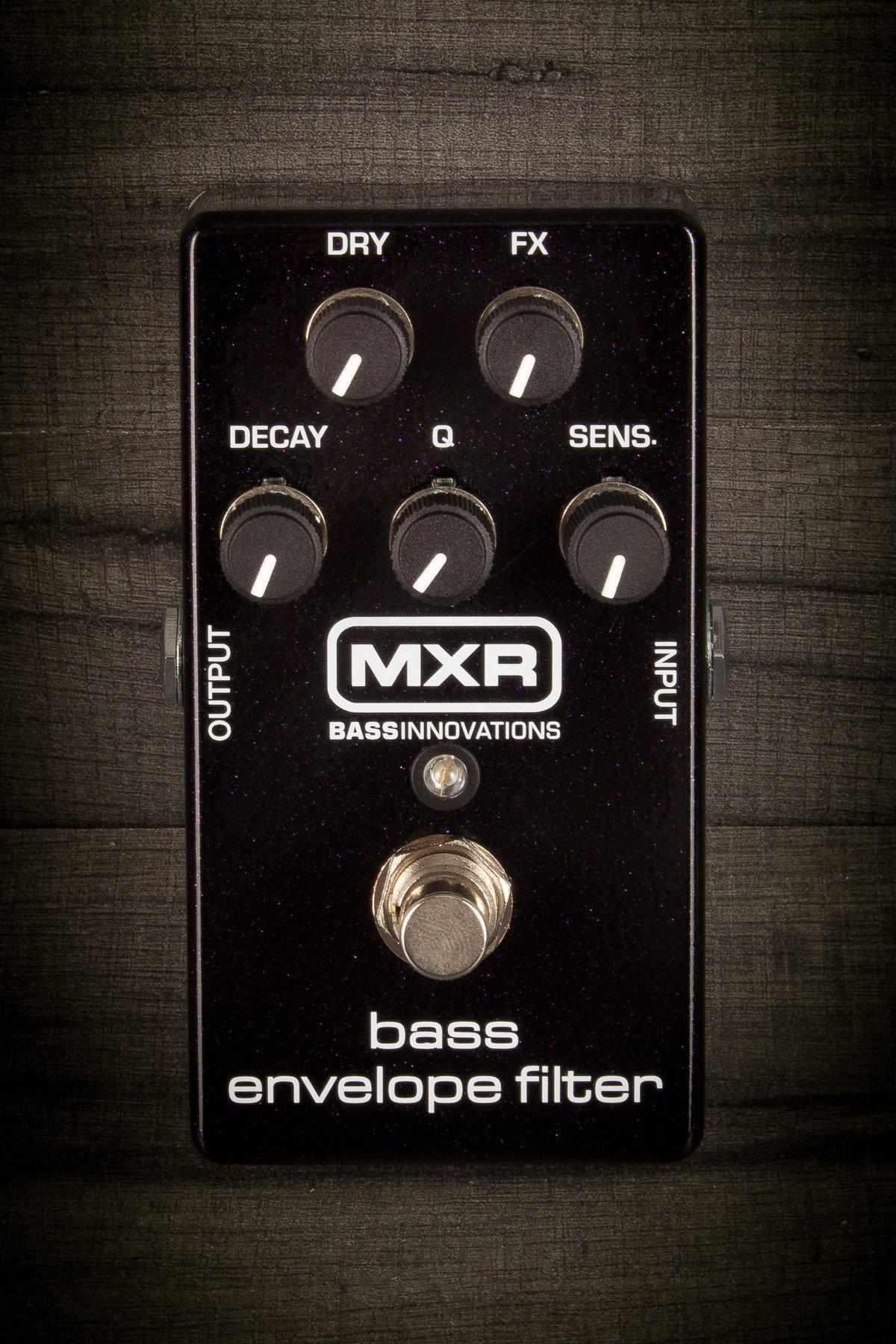
MXR Bass Envelope Filter – Classic Funk for Every Bass Player: Pedal Review (2025)

A Classic Funk Pedal for Every Bass Player Introduction The MXR Bass Envelope Filter (M82) has earned its reputation as one of the most reliable and expressive filter pedals on the market. It’s compact, intuitive, and versatile enough for players of every style. More importantly, it has already cemented itself as a classic—used worldwide by both professional bassists on major stages and amateur players in rehearsal rooms. If you’re looking for that unmistakable funky sweep, this is the pedal that delivers. TL;DR The MXR Bass Envelope Filter is a pedalboard staple that offers dynamic, responsive funk tones without sacrificing low-end clarity. Its blend of simplicity and depth makes it a go-to for beginners and pros alike. Check Price on Amazon –> Brief History MXR has long been a trusted name in the world of effects, particularly with its no-nonsense designs and rugged builds. When they turned their attention to bass-specific filtering, they delivered the M82—a pedal designed to capture the character of vintage envelope filters while providing modern control and reliability. Over the years, the M82 has become a standard choice for bassists across genres, from funk and R&B to rock and fusion. Controls The M82 features five intuitive knobs that let you shape your sound with precision: This straightforward control scheme makes it easy to dial in everything from subtle textures to exaggerated, vocal-like sweeps. Build and Design True to MXR’s legacy, the Bass Envelope Filter is built like a tank. The compact, sturdy enclosure fits neatly on any pedalboard, while the straightforward layout ensures no confusion on stage or in the studio. True bypass switching preserves your tone when disengaged, and the pedal can be powered either by a 9V battery or standard adapter. It’s designed for bassists who need reliability without fuss. Sounds This pedal is all about funk—but it doesn’t stop there. It responds dynamically to your touch, opening and closing in response to how hard or soft you play. Fingerstyle, slapping, or picking all trigger unique tonal flavors. The combination of Dry and FX controls ensures that even the wildest sweeps don’t overpower your low-end foundation. The result is expressive, vocal-like tones that cut through a mix without ever sacrificing bass presence. Uses The MXR Bass Envelope Filter is versatile enough to find a home in many styles: Whether you’re chasing Bootsy-style funk or just looking to add a touch of movement to your lines, this pedal adapts. Pros and Cons Pros: Cons: FAQs Q: Can I use the M82 with guitar?Yes, though it was designed for bass, it works well with guitar too. Q: Does it suck tone when off?No—the true bypass design keeps your signal clean when disengaged. Q: Is it good for slap bass?Absolutely. The pedal excels at highlighting slap and pop techniques. Conclusion The MXR Bass Envelope Filter has rightfully earned its status as a classic. It’s a pedal that marries funk heritage with modern reliability, making it indispensable for bassists everywhere. From bedroom practice to world tours, its balance of playability, durability, and tone ensures it remains a favorite among both professionals and amateurs. If you’re looking to bring motion, character, and pure funk to your bass sound, the M82 is a must-have. Ready to add classic funk to your sound? Order the MXR Bass Envelope Filter on Amazon. Other MXR Jim Dunlop Gear You Might Like If you enjoyed checking out this MXR pedal, here are more MXR products worth exploring — all tested and reviewed here on BassGearReviews: – MXR Bass Synth MB301 – Game Changer Synth Pedal for Bass – MXR M87 Bass Compressor – No Non-sense Compression for Bass