Blog

Reviews

The Clawthorn Drive Reviewed: Effect Review

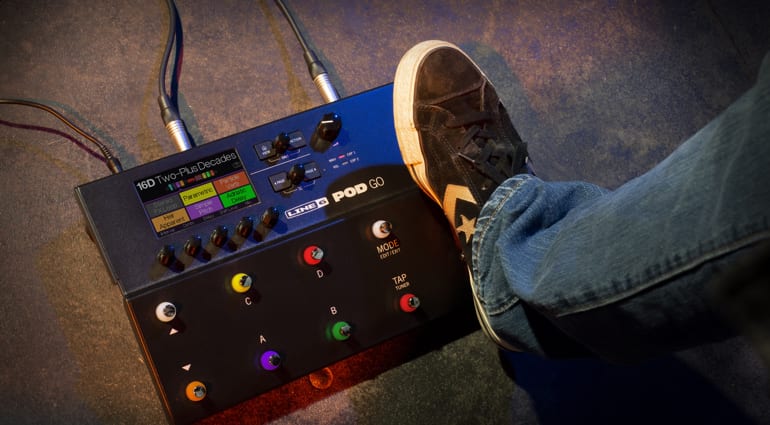
Line 6’s Take on the Battering Ram For bassists seeking aggressive tones that balance control with chaos, the Wounded Paw Battering Ram has carved a niche as a uniquely flexible drive/fuzz hybrid. With its parallel routing of overdrive and fuzz circuits, and the ability to dial in everything from subtle breakup to unhinged fuzz madness, it became a cult favorite among experimental and heavy-music bass players alike. In the HX Stomp/Helix world, Line 6 brings their take on this Canadian beast with the Clawthorn Drive—a highly tweakable distortion block designed to capture that same dual-engine mayhem. But does it hold up in tone, flexibility, and real-world use? The Battering Ram Legacy and Line 6’s Interpretation The Wounded Paw Battering Ram (especially in its later versions like the V2.6 and Q2) is known for offering two distinct but blendable voices: a tight, controlled overdrive and a wooly, sometimes chaotic fuzz, each with its own set of controls. Add to that optional octave fuzz and a four-band EQ in some models, and you get a serious tone-shaping machine. Line 6’s Clawthorn Drive mirrors this structure well in the Helix ecosystem. It provides individual gain, tone, and level controls for both Overdrive and Fuzz sections, plus a Low Boost switch and a Fuzz Octave toggle to kick the fuzz into nastier territory. Here’s a breakdown of the block’s parameters: This layout makes it easy to dial in anything from subtle warmth and growl to buzzy, synth-like textures or a thick wall of filth—and do it all in parallel. How It Sounds: Dual Engine, Dual Personality The real strength of Clawthorn Drive is in its blendability. The overdrive section can provide just a touch of breakup or be pushed into a more aggressive growl, perfect for rock, punk, or adding definition to sludgy riffs. The tone control lets you shape the character from dark and rounded to bright and biting. The fuzz side is where things get interesting. With the Fuzz Oct engaged, it leans into synth territory—great for drone, doom, or modern experimental tones. Without it, the fuzz is thick and chewy, but with surprising articulation when dialed in carefully. The Fuzz Gain and Tone knobs offer a wide spectrum, from velcro-rip textures to smoother, more musical fuzz. Engaging both sections together—especially with the Low Boost on—yields massive, layered tones. The overdrive can add punch and clarity, while the fuzz delivers girth and grit. This is particularly effective for bassists who want to retain note definition in the low end while still sounding enormous in a band mix. Tweaker’s Paradise, Performer’s Tool Thanks to the Helix architecture, Clawthorn Drive isn’t just a flexible tone machine—it’s a programmable one. You can: For bassists who frequently shift between styles—say, post-rock cleans, doom metal fuzz, and alt-rock drive—all in one set, Clawthorn provides enough range to replace multiple pedals. Final Verdict: Should Bass Players Use It? The Clawthorn Drive is one of the more underappreciated gems in the Helix lineup, particularly for bass. It doesn’t chase the modern, polished aggression of a Darkglass-style drive—instead, it offers unusual texture, tonal variety, and chaos control, making it ideal for: It might not be the right fit for players seeking surgical, mix-ready distortion straight out of the box—but for those who want to sculpt their sound, Clawthorn is a powerful, flexible option. Whether you use it subtly to thicken your tone or go full noise-wall, Clawthorn Drive delivers. For HX users looking to move beyond the usual suspects, this is absolutely worth a deep dive.
News

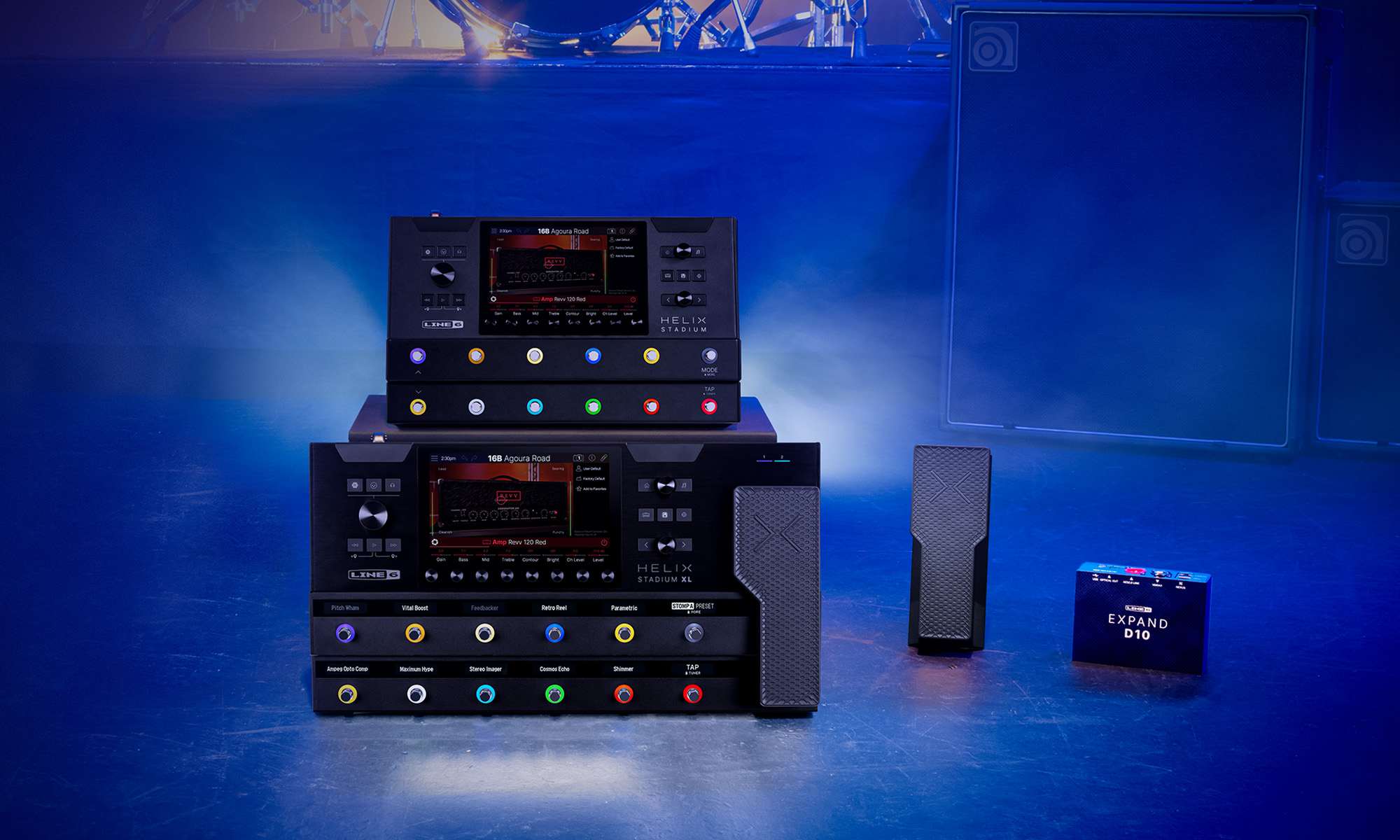
Helix Stadium Redefines the Low End

A New Era for Bassists Begins When Line 6 unveiled the original Helix nearly a decade ago, guitarists rejoiced — and bassists took note. The system’s flexibility, modeling power, and signal routing turned it into a favorite among players across genres. Now, with the arrival of the Helix Stadium series, bassists finally get a rig that isn’t just compatible — it’s custom-built to elevate their tone, control, and creativity to stadium scale. Tailored for the Bottom End — and BeyondThe Helix Stadium family includes two floorboard models — the streamlined Helix Stadium Floor and the expanded Helix Stadium XL Floor — both of which deliver massive processing power, unprecedented UI clarity, and performance features that speak directly to the working bassist’s needs. Whether you’re running DI into a PA, slaving a vintage Ampeg rig, or splitting signals for synth and clean tones simultaneously, Helix Stadium gives you the routing and dynamic range you need. Think of it as a studio-grade bass preamp, effects suite, and performance hub — all under your feet. Smarter Modeling with AgouraCentral to Helix Stadium is Agoura, Line 6’s brand-new modeling engine. For bassists, this means you can sculpt amp tones that truly feel right under the fingers — with touch-sensitive dynamics that reflect your right-hand technique, whether you’re ghost-noting on a P-Bass or digging into slap passages on a modern five-string. But it gets better. The “Hype” control allows you to dial in how “real” or “idealized” you want your amp tone to be. Want the gritty sag of an SVT pushed too far? Go authentic. Prefer a studio-polished DI chain with surgical EQ? Dial it in instantly. Meet “Proxy”: Clone Your Real-World Bass RigsFor those with beloved tube heads, boutique pedals, or unique mic’d cabinet tones, Helix Stadium introduces Proxy, a new cloud-connected system that lets you capture the sound of your actual gear and bring it to the stage — no heavy lifting required. Imagine cloning your 1976 Acoustic 370 and running it at any venue, anywhere in the world — perfectly mic’d and EQ’d every time. Built for the Stage (and the Pit)Bass players often double as the backbone and the brains of the band — holding down the groove and triggering tracks, managing MIDI, or syncing with lighting rigs. Enter Showcase, a performance playback engine built into Helix Stadium. You can run up to 8 stereo tracks, trigger MIDI changes, or cue light scenes right from your footswitch — no laptop needed. And with the XL Floor, you also get a toe-controlled expression pedal (perfect for filter sweeps or sub-drops), plus 12 OLED scribble strips to label every switch clearly — even under dim stage lights. Connectivity: All the I/O You Could Ask For Whether you’re running IEMs, backline, front-of-house, or all of the above, Helix Stadium has the flexibility to integrate with any modern setup — even multi-instrument rigs. Options for Every Player Prices start at $1,799 USD, with preorders opening June 25 and the XL shipping this Fall. Final Word: Built for Bassists Who Lead the BandWhether you’re laying down dub-heavy grooves, navigating complex prog changes, or supporting a pop act with backing tracks and synth bass, Helix Stadium isn’t just “compatible with bass” — it’s tuned to your role as a sonic architect. This is more than an upgrade. It’s the first Helix built with bassists in mind from the ground up — and it’s ready for your next big gig.

Darkglass Alpha Omega Ultra
Reviews

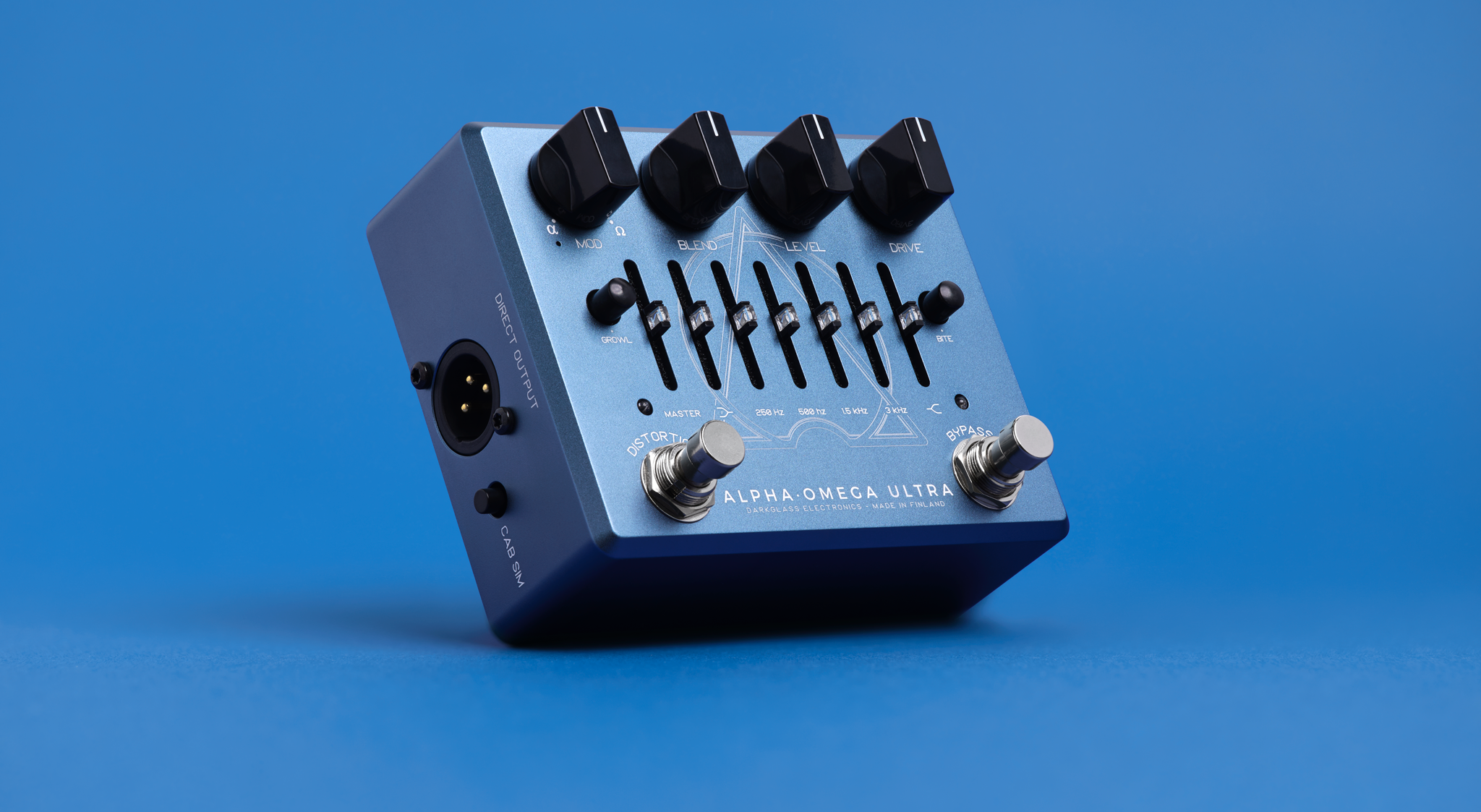
Darkglass Alpha·Omega Ultra: Pedal Review

The Dual-Voiced Powerhouse of Modern Bass Distortion Before the Alpha·Omega Ultra, Darkglass had already cemented its reputation as the go-to brand for forward-thinking bass distortion. The Microtubes B3K and B7K brought clarity and aggression to the bass world, redefining what overdrive could mean for low frequencies. But by 2017, founder Douglas Castro and his team set their sights on expanding beyond that “tight and glassy” Microtubes character. They envisioned a new kind of drive — fatter, rawer, and darker, but still articulate. Enter Jon Stockman of Karnivool, whose input helped shape the original Alpha·Omega pedal. Designed with two blendable distortion paths — Alpha (aggressive and punchy) and Omega (raw and brutal) — the pedal introduced a more saturated, muscular take on Darkglass’s aesthetic. It wasn’t just about clarity anymore — it was about force, depth, and sonic authority. The Alpha·Omega Ultra builds on this, incorporating a six-band graphic EQ, impulse response (IR) cabinet simulation, headphone out and USB connectivity, expanded routing options, and a refined, rack-quality preamp section. It’s not just a distortion pedal — it’s a full-featured tone hub. The Core Sound: Two Distortion Engines, One Vision At the heart of the Alpha·Omega Ultra is its dual-path distortion engine: Alpha engine: Tight, mid-forward, slightly compressed. Great for articulation, pick-style playing, and cutting through dense mixes.Omega engine: Fatter, darker, and gnarlier — perfect for huge, wooly tones and down-tuned basses. You blend between these two characters using the Mod knob, which is not just a gimmick — it lets you fine-tune the nature of the drive to match your instrument and musical style. It’s a spectrum, not a switch, which means you can live in-between: Alpha for the edge, Omega for the weight. Add to that: These features alone make it extremely powerful, but what elevates the Ultra model is what lies beneath. The “Ultra” Difference: Studio-Grade Control and Connectivity Six-Band Graphic EQ The onboard graphic EQ lets you precisely sculpt your tone with center frequencies at 80 Hz, 250 Hz, 500 Hz, 1.5 kHz, 3 kHz, and 5 kHz. This is not a simple tone knob or a basic 3-band layout — it’s surgical. You can scoop, push, or flatten your mids and highs to fit whatever room, mix, or rig you’re playing through. This EQ is post-drive, meaning it shapes the final sound you’re sending to your cab, DI, or front-of-house — and that makes it incredibly practical on stage or in a studio setting. Cab Sim and IR Loader One of the defining features of the Ultra series is IR-based cabinet simulation. The Alpha·Omega Ultra allows you to: This makes it a perfect standalone DI box — no amp required, no compromise. Whether you’re recording direct at home, running into an in-ear monitor setup, or flying to a gig where you need to go straight to FOH, it’s plug-and-play. USB and Software Integration Through USB, you can: It’s not a deep editor like some modelers, but it’s a user-friendly interface for quick personalization. On Bass: Brutality with Definition Plug a 5-string into the Alpha·Omega Ultra, and you immediately understand the appeal. This is modern distortion for modern bass — aggressive but not messy, huge but controllable. Key tonal identities include: Crucially, the pedal always respects your playing technique. It doesn’t flatten or obscure your dynamics, which is a big reason why it appeals to such a wide range of players — even those who don’t consider themselves distortion-heavy artists. It also plays well with compressors, modulation, and fuzz, especially when placed early in the chain. Pros and Cons Pros: Cons: Conclusion: The Alpha·Omega Ultra is a Full Bass Rig in a Box For players who want a distortion preamp with real-world versatility, the Darkglass Alpha·Omega Ultra delivers in every respect. It can be your amp substitute, studio channel, pedalboard anchor, or just your favorite distortion — and in all cases, it will do the job with authority and definition. What separates this from many other options isn’t just tone — it’s control and flexibility. With cab sim, EQ, DI, headphone monitoring, and drive shaping, this is a pedal that can live at the center of your rig and adapt to whatever situation you throw at it. It represents the next step in Darkglass’s evolution of modern bass tone — a pedal built not just for one sound, but for the complex and varied needs of contemporary bassists. Whether you’re on stage, in the studio, or practicing at home, the Alpha·Omega Ultra is an intelligent, aggressive, and refined companion.

FEnder Laura Lee Jaz Bass
News

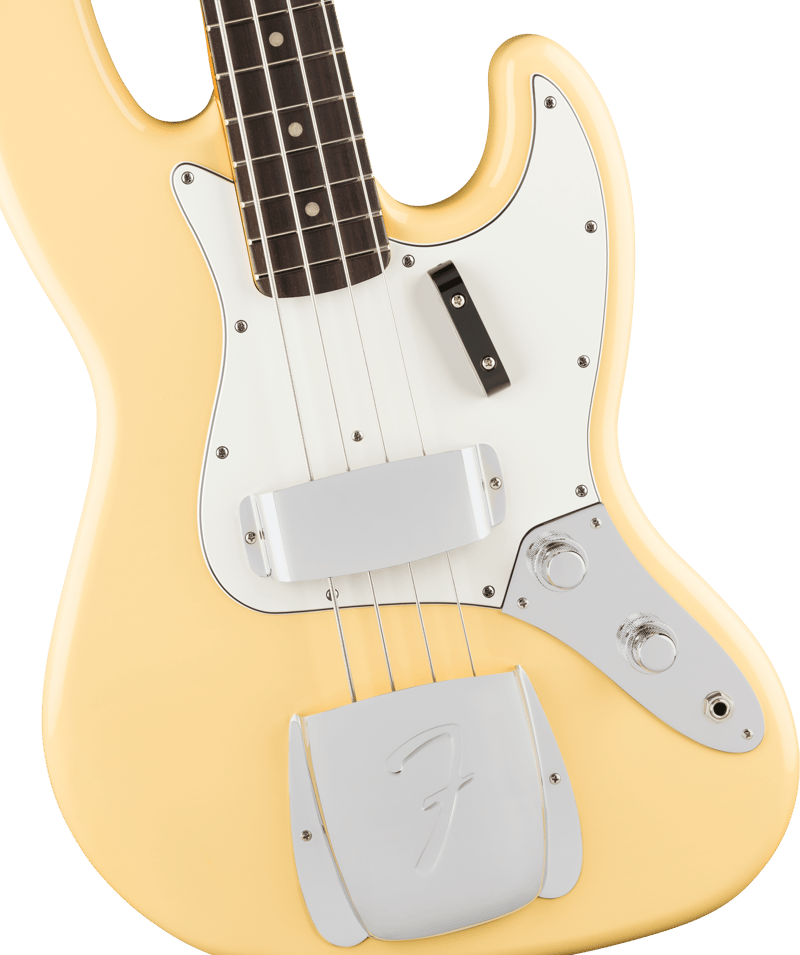
Fender Unveils Signature Laura Lee Jazz Bass

A Bold Collaboration with Khruangbin’s Bass Muse Scottsdale, AZ – June 10, 2025 — Fender Musical Instruments Corporation (FMIC) proudly announces the launch of the Laura Lee Signature Jazz Bass, a striking new addition to its Artist Signature Series, developed in close collaboration with Laura Lee of the genre-defying band Khruangbin. Recognized for her hypnotic basslines, minimalist playing style, and commanding stage presence, Laura Lee has redefined modern bass playing. Her new signature model celebrates that innovation, blending vintage Fender tone with contemporary flair, and a design that’s as unique and expressive as her sound. “The bass is an extension of myself — it’s how I move, how I express emotion,” says Laura Lee. “Fender really let me put a piece of my personality into this instrument. It’s elegant, funky, and feels like home when I play it.” Standout Features: Laura Lee’s warm, inventive playing has propelled Khruangbin albums into the Top 40 in the U.S. and beyond — and now, her signature instrument gives players everywhere the tools to explore the same expressive sonic range. Designed to inspire, this bass is as visually stunning as it is musically empowering. The Laura Lee Signature Jazz Bass is now available at select retailers and via Fender.com

Boss CE-2W
Reviews

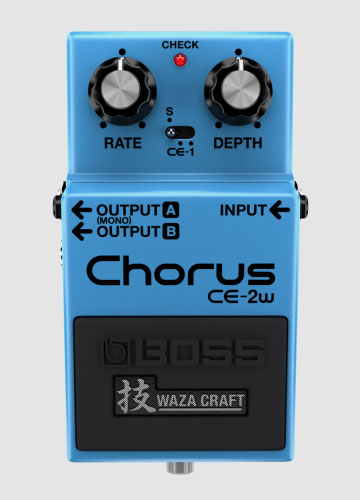
Boss CE-2W Waza Craft: Pedal Review

Revisiting a Classic with Depth and Authority The Origin: CE-2 and the Birth of Chorus Pedals To understand the CE-2W, we need to go back to 1979, when Boss released the CE-2 Chorus — itself a refined, pedalboard version of the CE-1, the world’s first chorus pedal and an effect originally built into the legendary Roland JC-120 amp. The CE-2 was more compact, stripped-down to two knobs (Rate and Depth), and voiced with warmth and lush analog texture that became the benchmark for chorus pedals for decades. It wasn’t designed with bassists in mind — and yet, it quickly became a cult favorite across all instruments for its lush, analog modulation that enhanced tone without washing it out. Bass players who did use it discovered that, at subtle settings, it brought out depth, width, and low-end bloom, making lines feel more alive and dimensional. Enter Waza Craft: Reimagining the Legend Boss’s Waza Craft line represents their high-end reissue and re-engineering approach — not just recreating vintage pedals but enhancing them with modern features and improved fidelity while staying true to the original analog designs. The CE-2W, released in 2016, takes the heart of the CE-2 and adds: For bass players, this is a huge deal: it means one pedal can serve as a classic chorus, a vibrato-style modulator, and a widening stereo tool, all in one rugged enclosure — and all fully analog. Why Chorus Works So Well on Bass Chorus is often associated with shimmering guitar sounds, 80s power ballads, and crystalline clean tones. But on bass, it has a different magic — and the CE-2W is one of the best examples of how to do it right. Here’s why it works: Importantly, the CE-2W preserves low frequencies well, especially when used subtly. It’s not a clean blend pedal, but thanks to its analog BBD design, it doesn’t rob your tone of weight — something older chorus pedals often failed at. Controls and Modes: Simple, Yet Deceptively Powerful The CE-2W is elegantly simple, but it hides a surprising amount of flexibility: The stereo output (available in CE-1 modes) is a huge bonus. Running to two amps, or amp + DI, or stereo in a DAW unlocks spaciousness that’s addictive, especially for ambient, post-rock, or synth-influenced bass work. Tone on Bass: Rich, Supportive, Never Overbearing On a passive bass with flatwounds, the CE-2W can evoke classic 80s fretless tones — think Pino Palladino or Mick Karn. On a modern active 5-string, it brings depth and motion to otherwise clinical sounds. It can be subtle enough for studio R&B or bold enough for synthwave or doom-inspired textures. What’s especially impressive is how well it handles drive and fuzz before it. Many modulation pedals get messy or thin out with gain, but the CE-2W handles it gracefully. It works equally well: Pros and Cons Pros: Cons: Conclusion: A Modern Analog Chorus for Serious Players The Boss CE-2W Waza Craft is a beautiful evolution of a legendary pedal, retaining the analog charm of the original while offering modern utility for bass players who demand more from their modulation. For those seeking a chorus that works without thinning your sound, that adds dimension, width, and movement without sacrificing clarity, and that bridges vintage and modern in a seamless package — the CE-2W is a standout. Whether you’re after subtle depth for ballads, full-spectrum chorus for ambient textures, or even slightly warped vibrato tones for experimental playing, this pedal delivers. And unlike some boutique alternatives, it does so reliably, accessibly, and with timeless tone. If you’ve written off chorus on bass, this pedal might just change your mind — or at least, make you want to sit down with it and listen to your tone evolve in real time.