Blog

TC Electronic Ditto2
News

TC Electronic Unveils Ditto 2 Looper

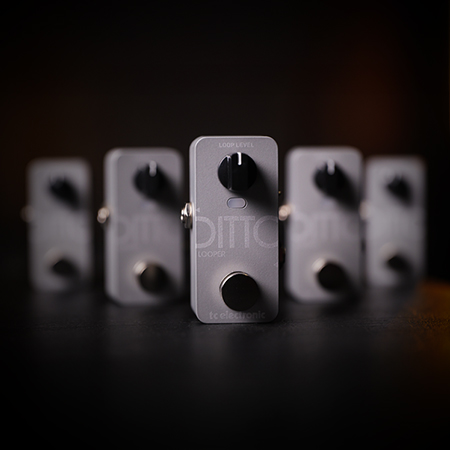
Smarter, Smoother, and More Intuitive TC Electronic has officially launched the Ditto 2 Looper, an evolution of its iconic looping pedal. Designed for seamless performance, the Ditto 2 refines the original’s simplicity while adding powerful new features. Among its standout improvements is a redesigned footswitch with a magnetic mechanism, ensuring precise operation. A toggle switch allows players to choose between the classic Ditto mode or the new User mode, which introduces LoopSnap (intelligent beat tracking) and SingleTap (a streamlined looping mode). A vibrant LED display enhances visual feedback, making it easy to track loop status. Plus, Bluetooth and USB-C connectivity enable smartphone app integration for customization and firmware updates. With a choice between true bypass or buffered bypass, the Ditto 2 Looper delivers an even smoother, more responsive looping experience—perfect for musicians who demand simplicity and precision.

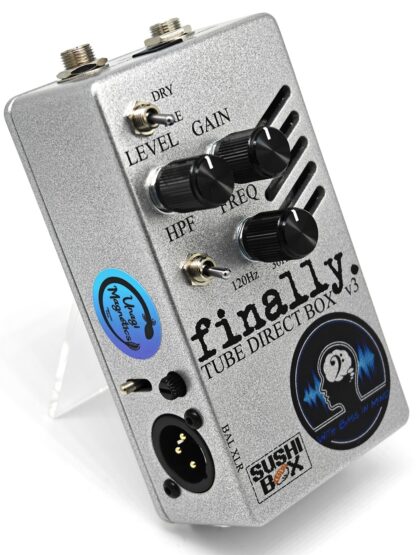
Sushi Box Finally V3
Reviews

Sushi Box Finally V3: Pedal Review

The Ultimate Tube D.I. for Bass Sushi Box Effects has long been known for its high-quality, tube-driven pedals, and the Finally V3 is no exception. The latest evolution of this beloved tube D.I. takes everything that made the previous versions great and refines it even further, making it an essential tool for bassists who demand warmth, clarity, and flexibility in their signal chain. A Legacy of Excellence: Finally V1 & V2 The original Finally was designed as a high-voltage tube D.I., offering rich harmonic saturation and a studio-quality direct output. When Finally V2 was introduced, it improved on the design with refinements to the circuit, making it an even more versatile and musical tool for bass players. With Finally V3, Sushi Box Effects has taken the lessons learned from the previous versions and implemented meaningful upgrades, making it arguably the most refined iteration yet. What Makes Finally V3 Stand Out? Several features set the Finally V3 apart from its predecessors and other tube-driven DI pedals: Why Bass Players Love the Finally V3 The Finally series has always been a favorite among bass players, and the V3 version cements its reputation as one of the best tube D.I. pedals available. Here’s why: Final Verdict The Sushi Box Finally V3 is an amazing choice for any serious bass player looking for superior tone, flexibility, and professional-grade performance. With its tube warmth, enhanced filtering, and independent outputs, it delivers unparalleled control and sound quality—whether you’re playing live or recording in the studio. For bass players who want the best tube-driven D.I. experience, the Finally V3 stands as one of the top contenders on the market today.

Sushi Box Neptunium
News

Sushi Box Effects Unveils Neptunium

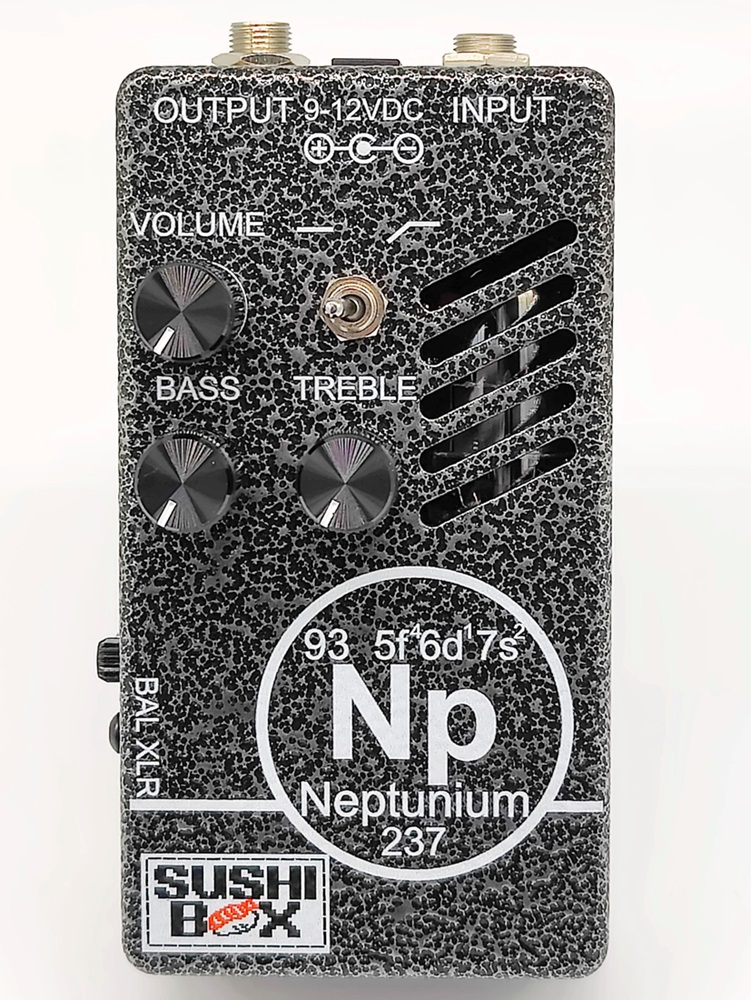
A Compact Tube Preamp with XLR D.I. Sushi Box Effects has officially released the Neptunium, a compact yet powerful tube preamp designed for musicians seeking a high-quality direct input solution. The Neptunium takes inspiration from the acclaimed Noble preamp, channeling its signature warmth and clarity into a significantly smaller enclosure. A Miniature Powerhouse At the core of the Neptunium is the design philosophy behind Nobelium, Sushi Box Effects’ previous iteration inspired by the Noble preamp. While the Nobelium incorporated a full preamp with XLR D.I., the Neptunium focuses on refining the XLR output section into a more space-efficient package without sacrificing tonal integrity. The two-band boost-only tonestack, modeled after the classic Fender/Marshall/Vox EQ, offers a simple yet effective way to shape tone. With both controls at zero, users can achieve a flat response, ensuring versatility for various playing styles and instrument types. Key Features Final Thoughts With the release of Neptunium, Sushi Box Effects continues its tradition of crafting high-quality tube-based pedals that cater to gigging musicians and recording artists alike. Whether used as a warmth-enhancing DI box, a tube preamp for pedalboards, or a direct-to-interface solution for home recording, the Neptunium promises to deliver professional-grade tone in a compact footprint. For more information and availability, visit Sushi Box Effects’ official website.

Reviews

HX Regal DI: Pedal Review

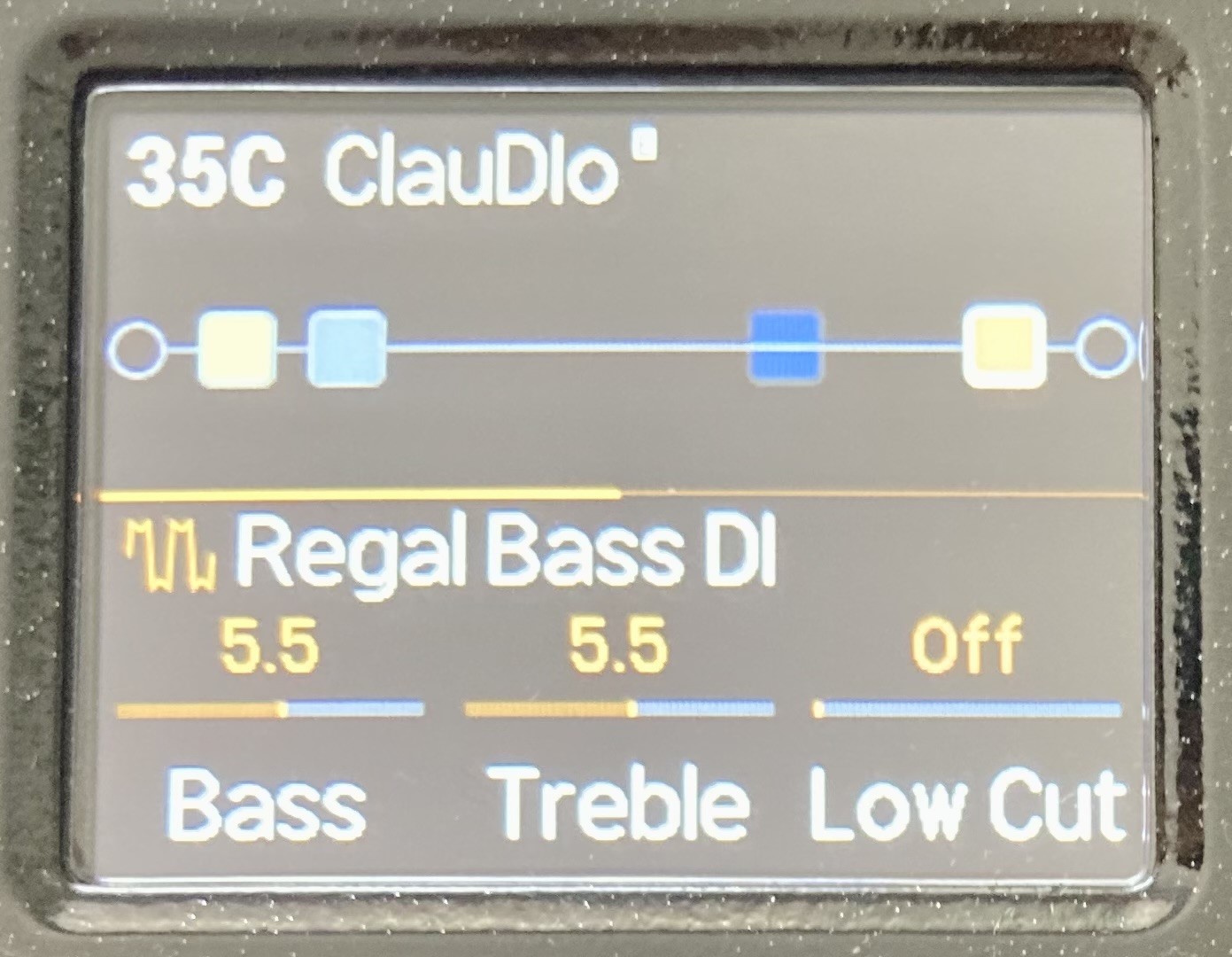
The Poor Man’s Noble! The world of bass preamps and DI pedals is full of legendary options, but few have reached the near-mythical status of the Noble Bass Preamp DI. With its warm, rich tones and undeniable studio and stage appeal, the Noble DI has become a must-have for professional bassists. However, with a price tag that hovers around $1,200, it remains out of reach for many players. Enter the Regal Bass DI, a model introduced in Line 6’s Helix 3.70 firmware update. Designed to emulate the beloved Noble DI, the Regal Bass DI aims to provide that coveted tone at a fraction of the cost. But does it live up to the hype? Let’s find out. Features & Controls The Regal Bass DI includes the core tonal controls found in the Noble DI, giving bass players access to a simple yet effective EQ section. Here’s a breakdown of its features: For Helix users, these features make the Regal Bass DI an easy drop-in for direct recording, live performance, and tone shaping within a digital rig. Regal DI vs. Noble DI: A Comparison So how does the Regal Bass DI compare to the Noble DI? While the Regal DI does a fantastic job emulating the tonal characteristics of the Noble, there are some differences to consider. Tone The Noble DI is known for its tube-driven warmth, which naturally compresses and rounds out the tone in a way that solid-state or digital emulations often struggle to fully replicate. The Regal DI, while very close, lacks the physical 12AX7 tube that gives the Noble DI its signature harmonic richness. However, in a live mix or a recording chain, the difference is subtle and can be compensated with slight EQ and compression tweaks. Feel & Dynamics The Noble DI responds incredibly well to playing dynamics, offering a natural “amp-like” feel. The Regal DI gets remarkably close, especially when paired with other Helix effects like the Retro Reel to simulate the warmth and compression of an analog signal path. Portability & Versatility The Regal Bass DI has a clear advantage in terms of portability and flexibility. With the ability to tweak and integrate seamlessly within the Helix ecosystem, it becomes an incredibly versatile tool for players who need multiple tones at their disposal. The Noble DI, on the other hand, is a dedicated preamp DI with a fixed tonal character, making it less adaptable. Price & Value This is the biggest differentiator: $1,200+ vs. $0 (for existing Helix users). If you already own a Helix, HX Stomp, or Helix Native, the Regal DI is a no-brainer—it gives you 90% of the Noble DI sound for free. If you’re an analog purist who values true tube warmth, then the Noble DI might still be worth the investment. Conclusion The Regal Bass DI is a fantastic addition to the Helix family, offering a realistic and versatile alternative to the Noble DI at a fraction of the cost. While it doesn’t quite capture the full tube magic of the Noble, it gets close enough that most bassists—especially in live and mix contexts—will struggle to tell the difference. If you already own a Helix or HX Stomp, the Regal DI is an absolute steal. But if you’re after the true organic tube warmth, the Noble DI remains the undisputed king. Either way, bass players now have more choices than ever when it comes to dialing in that legendary tone!
MXR M81 Bass Compressor
Reviews

MXR M87 Bass Compressor: Pedal Review

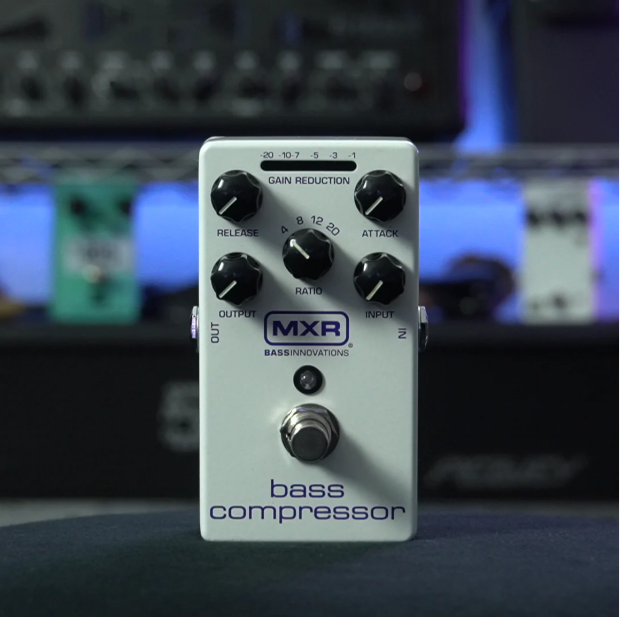
A Transparent and Versatile Tool for Precision Tone Control We begin this review with an interesting fact: do you know the difference between the MXR M87 and the M76? Surprisingly, there isn’t one—aside from the name! Guitarists love the sound of the M87 (since it’s based on the classic 1176 compressor), but many dislike that it says “BASS” on the chassis. To accommodate them, MXR created the M76, essentially a rebranded version of the same pedal! First Impressions At first glance, beyond the standard input, output, release, attack, and ratio controls, what immediately stands out is the row of LEDs for metering. Compression can be difficult to hear, so having a visual aid is extremely helpful, especially for those new to using compression. Many compressor pedals lack this feature, making the MXR M87 a standout option right away. Total Control Over Compression We’ve just mentioned the basic controls, but in today’s market, it’s rare to find a pedal that gives you full manual control over all key compression parameters. Many modern compressors have fixed ratios or rely on predefined attack/release algorithms, limiting a player’s ability to fine-tune their sound. The M87, however, offers full control, making it a powerful tool for those who want precise adjustments. Sound and Performance The MXR M87 does not cut highs or lows, ensuring a full-range, balanced sound. It has relatively low noise, though it’s not a completely silent pedal—like most compressors. The tone is clear and dry, not entirely transparent, but very close. Players looking for purely transparent compression will likely be satisfied with the M87. However, those searching for added tonal coloration or “magic” might be disappointed, particularly given the pedal’s 1176 heritage, which is often associated with a more vintage, colored compression. Control Overview Conclusion The MXR M87 Bass Compressor is a high-quality, clean compressor with exceptional control and useful metering features. It offers near-transparent compression without significantly altering your tone. While it might not provide the “mojo” or warmth of vintage compressors, its versatility and precision make it a fantastic option for players who want full control over their compression settings. If you’re after a clean, professional-grade compressor that delivers consistent and reliable performance, the MXR M87 is a top contender.