Blog

Boss CS-2 Compressor Sustainer
Reviews

Boss CS-2 Compressor Sustainer

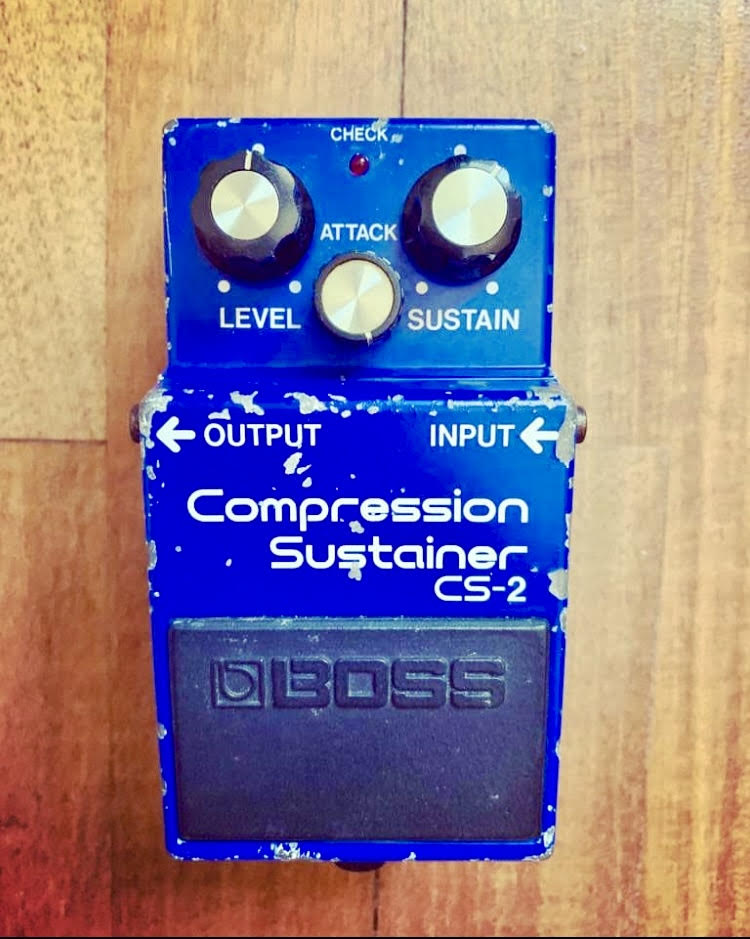
Classic Compression For Modern Players Compression is an essential tool on any bass player’s pedalboard. Today, we have access to incredible options like the Origin Effects Cali76 or the Empress Bass Compressor. But things weren’t always this advanced, and today, I want to talk about one of my favorite compressors of all time—the Boss CS-2 Compressor Sustainer. The Boss CS-2 is not a flashy pedal. It lacks the dedicated fine-tuning controls found in modern compressors. It’s not a compressor/limiter; rather, it’s a compressor/sustainer. A compressor/limiter is designed to prevent peaks from exceeding a set threshold, acting as a hard stop to control volume spikes. It typically has a high ratio (10:1 or more), making it ideal for keeping levels consistent and preventing sudden jumps in volume. A compressor/sustainer, on the other hand, smooths out dynamics without completely limiting peaks. It reduces the difference between loud and soft notes, ensuring a more even output while adding sustain. This type of compression is often used to enhance note clarity and sustain in both guitar and bass setups. My personal Boss CS-2 Understanding the CS-2 Through Its Manual Since I lost the box for my personal CS-2 long ago, I searched the internet for a copy of the original manual. Given that the pedal was released in 1981, I thought it would be interesting to look at what Boss originally said about its design and function. According to the manual: “CS-2 is a low-noise type effect providing long sustain with attack volume. It can adjust picking force widely and provides any drive sounds. As having a wide range of maximum input level and compression, it can be used for any electronic musical instruments. In addition, CS-2 can be used for an ordinary limiter by turning down sustain volume.” Not the clearest explanation, I know! But let’s break it down. How the Boss CS-2 Works The CS-2 compresses louder signals and boosts softer signals, resulting in a more balanced output. At the same time, it extends note sustain, making them ring out longer. When combined, these two functions create a smoother, more controlled sound that enhances a player’s dynamics. CS-2 Controls The CS-2 features a simple three-knob layout: The Sustain control is particularly interesting. The manual states: “The sustain control provides adjustment to the compression range. When set at the full clockwise position, sustain is longest. When turned counterclockwise, compression increases, allowing the unit to limit the output level. This is particularly useful for adding punch to a guitar, bass, or electric piano.” The CS-2 in Action Over the years, bassists like Juan Alderete and Janek Gwizdala have been known to use the CS-2. While it can be somewhat noisy compared to modern compressors, its characteristic warmth and harmonic enhancement make it a favorite among players looking for a smooth yet punchy tone. So, why does the CS-2 sound so unique? Essentially, it rolls off some of the high frequencies, which results in a warmer and smoother tone. This tonal character likely comes from its analog circuitry and specific component choices, as the newer CS-3 does not have the same sonic qualities. The CS-3 is cleaner and more transparent, but many players still prefer the CS-2’s coloration. Conclusion The Boss CS-2 is a true classic that has stood the test of time. Used by bass legends, it’s a go-to pedal for those looking to enhance their tone, add sustain, and smooth out their dynamics. It’s not a transparent compressor—it has a distinct character that adds warmth and thickness to your sound. While it’s not the quietest pedal out there, it shines in rock, funk, and live settings where its punch and sustain truly come alive. If you’re after a compressor that adds musicality rather than simply controlling levels, the CS-2 is a fantastic choice.
Tech 21 Killer Blue Wail Bass
News

Tech 21 Announces the Killer Blue Wail Wah for Bass

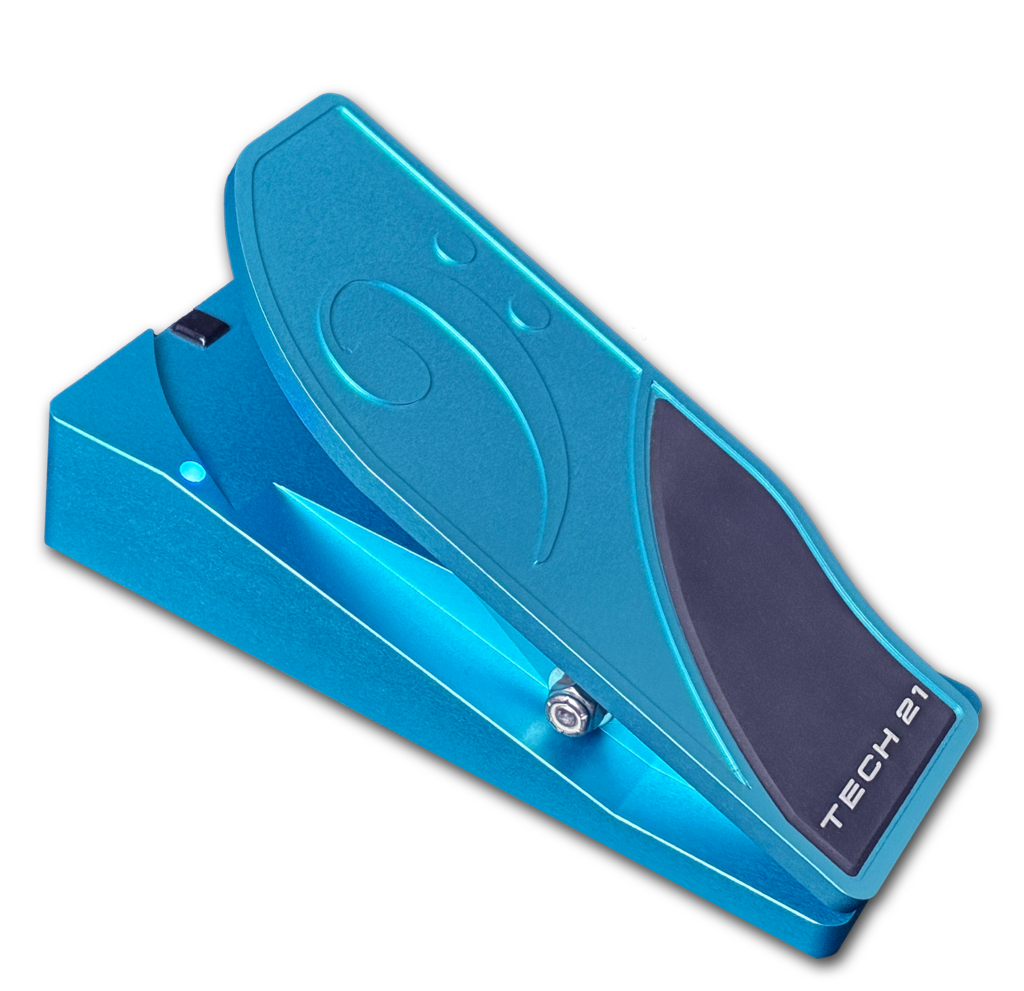
Get ready to up your Wah game! Tech 21 has announced the Killer Blue Wail Wah, a bass wah pedal designed to deliver classic vintage tone while solving the common issues of traditional wah pedals. Vintage Tone, Modern Innovation The Killer Blue Wail preserves the tonal integrity of classic wahs without the unwanted noise, scratchy pots, or mechanical failures. Thanks to light sensor technology, this pedal eliminates clunky pops and irritating scratches while providing a smooth, responsive sweep. Built to Last Crafted from solid billet aluminum, the Killer Blue Wail is built like a tank, ready to withstand the demands of touring and studio use alike. Its spring-loaded rocker returns to bypass mode when not engaged, making operation effortless and intuitive. Designed for Bass Unlike typical guitar wahs, the Killer Blue Wail ensures your low-end stays intact while providing a specially designed filter that adjusts both frequency and Q (the sharpness of the filter) dynamically. This means a more natural, musical response tailored for bass. Specs: Availability The Killer Blue Wail Wah is set for release in April/May 2025. Stay tuned for updates and get ready to experience wah like never before!

EHX Bass Micro Synth
Reviews

EHX Bass Micro Synth: Pedal Review

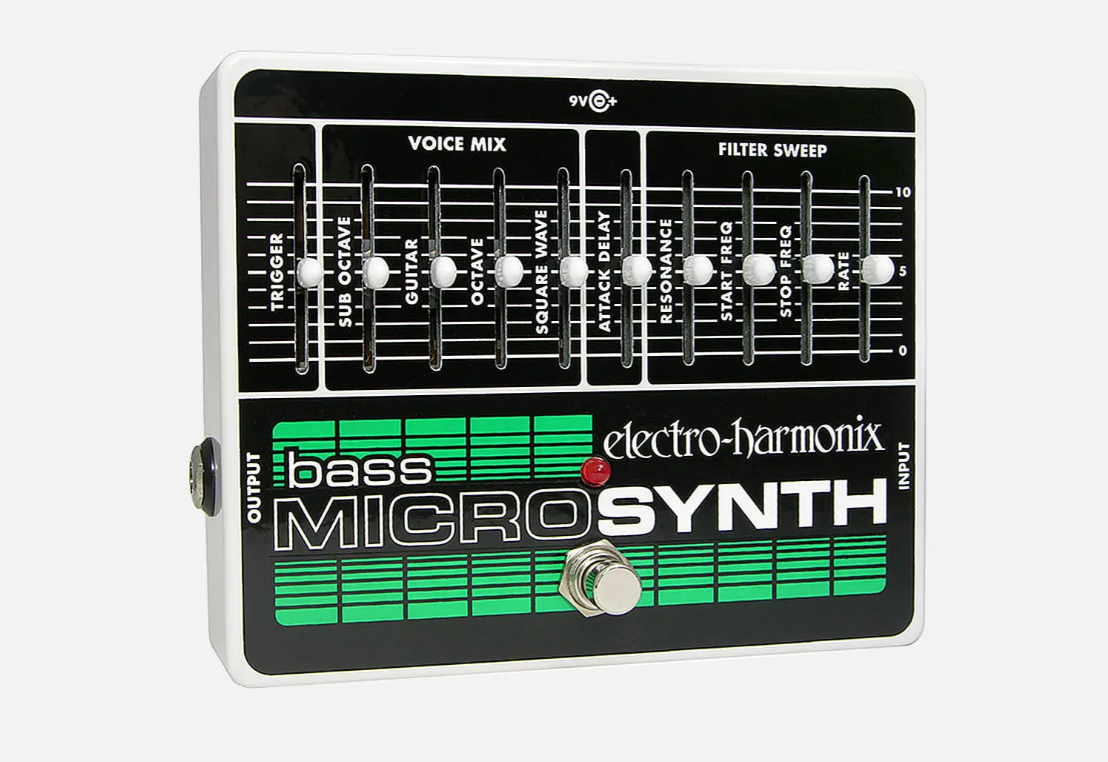
A Legacy of Sonic Exploration The Electro-Harmonix Bass Micro Synth is a legendary pedal that has remained relevant for decades, largely due to its ability to create analog synth sounds without the need for a keyboard or additional gear. Originally introduced in the late 1970s alongside its guitar-focused sibling, the Micro Synth, this pedal was an innovative take on merging guitar effects with the booming world of synthesizers. At a time when bass players were exploring new textures beyond the traditional amp-and-bass setup, the Bass Micro Synth allowed musicians to tap into the massive, synth-driven sounds that were gaining traction in funk, R&B, rock, and eventually gospel. The pedal’s ability to produce Moog-like tones, fuzzed-out leads, and deep, resonant filters made it a unique tool that stood out against traditional bass effects like chorus, overdrive, or envelope filters. Despite the rise of digital multi-effects and synth pedals with modern processing power, the Bass Micro Synth has retained a devoted following. Why? Because it’s one of the few fully analog synth pedals for bass that delivers a truly organic, responsive, and warm sound. Unlike digital synth pedals that rely on tracking and MIDI-style processing, the Bass Micro Synth manipulates the actual bass signal in real time, giving it a raw, unfiltered quality that digital emulations struggle to replicate. Moreover, its hands-on control offers bassists a chance to shape their tone with precision rather than relying on presets. That level of customizability and warmth keeps this pedal relevant, even in the age of advanced DSP-based effects. The Gospel Legacy The gospel music scene has long been known for pushing the boundaries of bass playing, with bassists often serving as melodic, harmonic, and rhythmic anchors all at once. The Bass Micro Synth has found a home in this world because it delivers fat, synthy bass lines reminiscent of classic gospel recordings, where keyboard bass and Moog-style textures played a crucial role. Bassists like Justin Raines, Sharay Reed, and Thaddeus Tribbett have incorporated synth-like tones into their playing, often mimicking keyboard bass or creating massive, soaring lead sounds during high-energy gospel jams. The Bass Micro Synth is particularly useful in modern gospel because: Breaking Down the Controls & Sound Design The Bass Micro Synth has a series of sliders that shape its tone. Unlike other synth pedals with menu diving, it provides a direct and tactile approach to tweaking sounds. Sonic Possibilities The Electro-Harmonix Bass Micro Synth can do a lot more than just create classic synth bass tones. Here’s a breakdown of some of its standout sounds: Final Verdict The Electro-Harmonix Bass Micro Synth is a timeless pedal that continues to be relevant due to its pure analog warmth, hands-on controls, and ability to create massive synth tones without losing the natural feel of bass guitar. Whether you’re a funk player, a gospel bassist, or an experimental musician, this pedal can unlock a world of creative potential. While modern alternatives exist, few capture the raw character and versatility of the original. If you’re looking to add a synth edge to your bass playing while keeping an organic feel, the Bass Micro Synth is still one of the best options out there.

Fender Sparkle Edition
News

Fender Unveils the Player II Sparkle Edition

Iconic Models With a Modern Look Fender has introduced a stunning Limited Edition Player II Series Sparkle Edition, featuring eye-catching Sparkle 3-Color Sunburst finishes on two of their most iconic bass models: the Precision Bass and Jazz Bass. These instruments combine classic Fender tone with a striking new aesthetic, appealing to bassists looking for both style and substance. Precision Bass: Classic Punch with a Modern Look Jazz Bass: Versatile and Expressive Fender’s Player II Series Sparkle Edition offers bass players a rare opportunity to own a custom shop-inspired finish at an accessible price. While sparkle finishes have historically been limited to special editions or high-end models, this release makes them available to a wider audience. These limited-edition basses are perfect for players looking to stand out on stage without compromising on Fender’s signature tone and playability. Whether you’re a P-Bass enthusiast seeking fat, punchy lows or a Jazz Bass player who values clarity and versatility, the Player II Sparkle Edition delivers on all fronts. Availability The Limited Edition Player II Sparkle Precision Bass and Jazz Bass are available now at select Fender dealers. Given the exclusive nature of these models, they are expected to sell quickly, so interested players should act fast to add one to their collection. For more details, visit Fender’s official website or check with your local Fender dealer.

Electro-HArmonix Bass Clone
Reviews

Electro-Harmonix Bass Clone Chorus: Pedal review

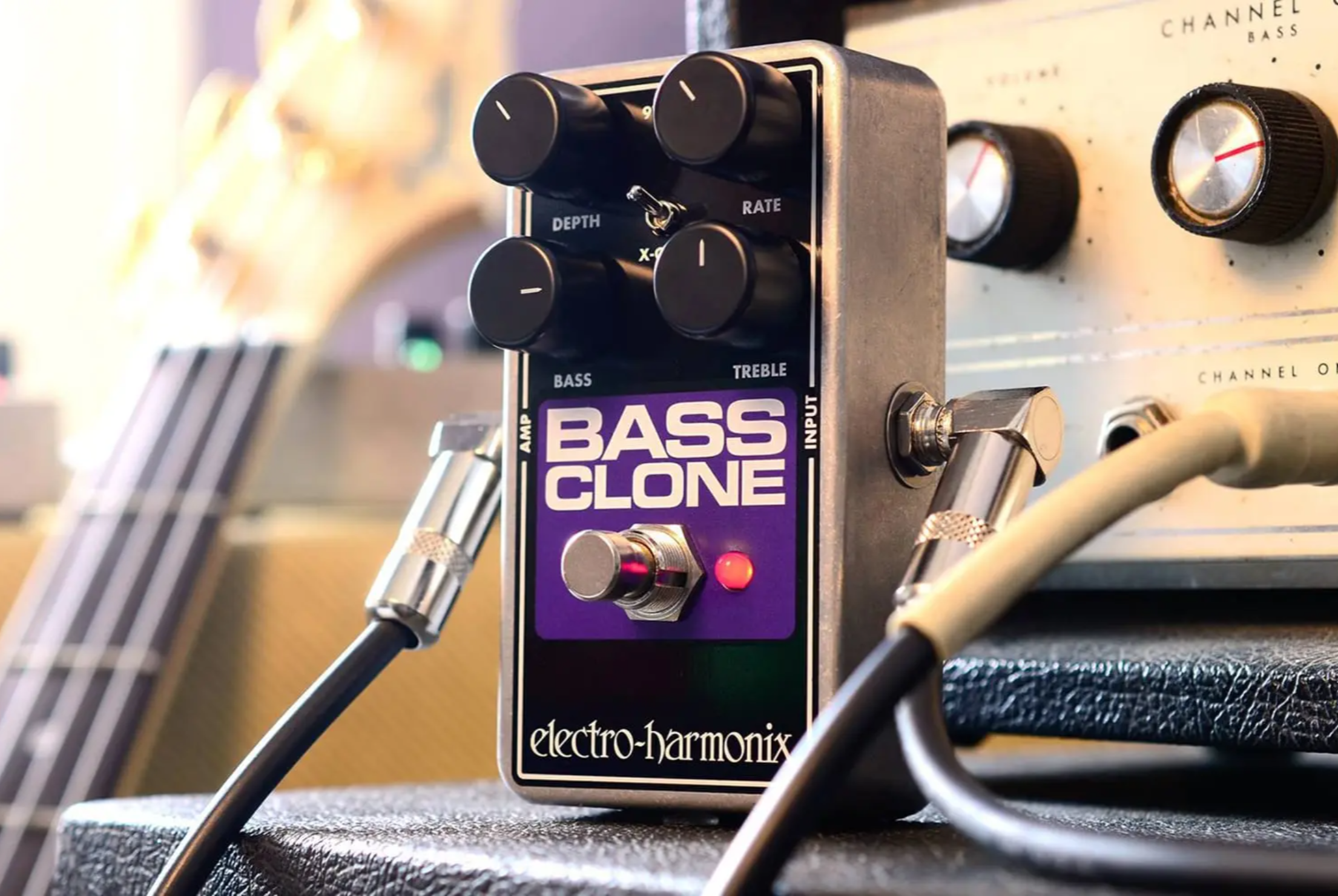
A Look at the Electro-Harmonix “Clone” Legacy Electro-Harmonix (EHX) has a long-standing reputation for producing some of the most iconic effects pedals in music history. One of their most famous designs is the Small Clone, an analog chorus pedal that gained widespread recognition, in part due to Kurt Cobain’s use of it with Nirvana. The Clone Theory, another EHX chorus pedal from the 1970s, was also known for its rich modulation and was used by legendary bassists like Peter Hook of Joy Division and New Order. The Bass Clone takes inspiration from this lineage, tailoring the classic EHX chorus sound specifically for bass players. By tweaking the circuitry to maintain clarity and low-end punch, EHX has created a chorus pedal that adds depth and dimension without sacrificing the fundamental bass frequencies. Why Chorus is an Iconic Bass Effect Chorus is one of the most beloved effects in bass history, particularly in post-punk, new wave, and alternative rock. It thickens and widens the sound by modulating the signal and blending it with a slightly delayed and pitch-modulated version. This creates a shimmering, wave-like effect that enhances melodic playing and adds movement to sustained notes. Bassists such as Peter Hook, Duff McKagan, and Juan Alderete have famously used chorus to define their unique tones. Chorus is especially useful in three main contexts: Exploring the Bass Clone’s Controls The Bass Clone is a simple yet powerful pedal, offering a range of tone-shaping options tailored for bassists. Here’s a breakdown of its controls: How It Performs The Bass Clone delivers lush, analog chorus tones that work exceptionally well in a variety of musical settings. It retains the fundamental strength of a bass signal while adding spaciousness and movement. The crossover switch is particularly useful, as it ensures that the effect doesn’t interfere with the essential low-end frequencies. Whether you’re playing intricate melodies, ambient passages, or thick, driving basslines, the Bass Clone enhances your tone without overwhelming it. Final Thoughts For bassists looking to explore chorus without losing low-end clarity, the Electro-Harmonix Bass Clone is an outstanding choice. It combines the legendary EHX chorus sound with modern features tailored for bass, making it a versatile and affordable addition to any pedalboard. Whether you’re aiming for post-punk atmospherics, grunge-inspired modulation, or just a touch of extra warmth in your sound, the Bass Clone is a pedal worth considering.