Blog

The Ampero Mini: Pedal Review
Reviews

The Hotone Ampero Mini: Pedal Review

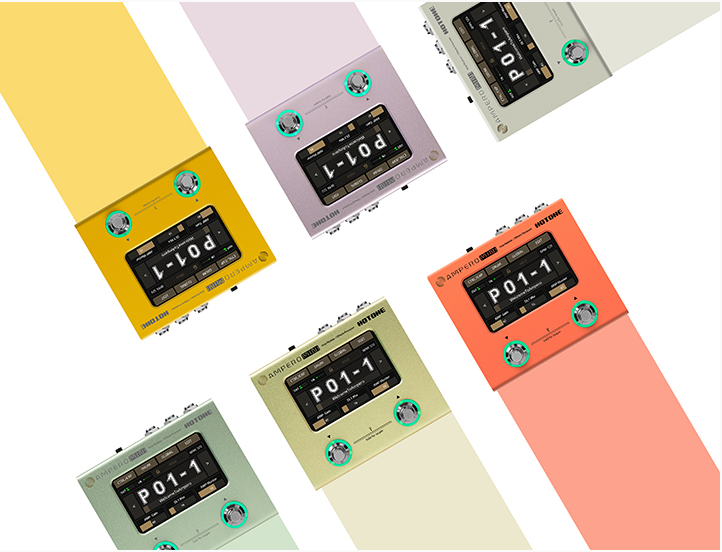
A versatile, all-in-one amp modeler and effects processor for bass players on the go! In recent years, the trend of bass players scaling down their rigs has become more prominent. As air travel for gigs becomes increasingly common, musicians are seeking compact, durable, and high-quality gear that can meet their needs without taking up too much space. The Hotone Ampero Mini is one such piece of gear that addresses this demand. This amp modeler and effects processor manages to deliver impressive features in a portable package, making it an excellent option for bassists who need both power and portability. Disclaimer: This pedal was kindly provided by Hotone for the purpose of this review. However, this does not influence our opinions or the content of our reviews. We strive to provide honest, unbiased, and accurate assessments to ensure that our readers receive truthful and helpful information. A Tiny PowerhouseAt just 134mm x 120mm x 49mm and weighing only 529g, the Ampero Mini is incredibly compact, making it easy to transport and use in any setting. Despite its size, this device offers a broad range of capabilities. The control interface consists of two footswitches and a 4-inch touchscreen, and it also supports a companion app for PC and Mac users, ideal for those who prefer working with a larger display. Key Features and Performance CapabilitiesThe Ampero Mini is equipped with dual DSP chips, operating at 24-bit resolution, allowing for nine simultaneous effect blocks to be processed without compromising sound quality. This power enables 52 amp models, 50 cabinet simulations, and a massive selection of 199 effects, making it highly versatile for bass players who enjoy experimenting with their sound. Additionally, the device allows you to tweak the sound further with mic placement options or load your own impulse responses (IRs), offering an additional layer of customization. In addition to amp modeling and effects, the Ampero Mini includes a 100-second mono looper (or 50 seconds in stereo) and a drum machine with 100 built-in patterns, adding an extra dimension to both live performances and practice sessions. Connectivity: Full Functionality in a Small PackageThough it’s compact, the Ampero Mini doesn’t skimp on connectivity. It features: Tailored for Bass PlayersOne of the standout aspects of the Ampero Mini is its ability to meet the unique needs of bassists. Upon booting up, it provides nine preset patches specifically designed for bass, ranging from classic tones like an Ampeg-style rig with an 8×10 cab to a more niche slap preset with a fast compressor and 4×10 cab. Whether you’re chasing the warmth of a classic B15 or something more aggressive, the Ampero Mini provides plenty of options right out of the box. For bass players who like to dial in their own sounds, the unit excels with its extensive selection of distortion, octaver, and filter effects. The distortion section, in particular, is worth noting for its ability to retain the low-end while adding grit—critical for bass players. Other effects like chorus, vibrato, and bit crusher also offer plenty of creative possibilities, making it easy to experiment with different sound textures. Operational Overview: Limitations and StrengthsWhile the Ampero Mini offers an impressive range of features, there are a few constraints worth noting. One limitation is the restriction to nine simultaneous effect blocks, which include: 3 Effects (modulation, distortion, filters, etc.)1 Amp model (with five dedicated bass amps)1 Noise Gate1 Cabinet simulation1 EQ1 Delay1 Reverb While this setup allows for a wide variety of sounds, it is not as flexible as larger devices that can handle more simultaneous blocks. For example, the fuzz options are limited to just three models, and the delay and reverb effects, while decent, may not satisfy users who need extensive control over these parameters. Additionally, the pitch effects can sometimes produce digital artifacts, especially when pushed to extreme settings. Nonetheless, the Ampero Mini excels as a multi-purpose device. It can easily function as a practice tool, a live gigging solution, or a recording interface without requiring any additional gear. For those in need of a compact, portable setup, this versatility is a major selling point. Pros and Cons: An Objective Look Pros:– Compact and Tough: The small size and robust build make the Ampero Mini a great option for musicians who are always on the move.– All-in-One Functionality: This device serves multiple purposes, from practice sessions to live performances, without requiring additional equipment.– Bass-Centric: The inclusion of bass-specific presets and amp models makes the Ampero Mini a great choice for bass players looking for tailored sounds.– High-Quality Sound: Thanks to its dual DSP chips and 24-bit resolution, the Ampero Mini delivers clear and precise audio with little to no noticeable distortion. Cons:– Touchscreen Reliance: While the touchscreen interface is functional, it may not be intuitive for all users, especially those who prefer physical knobs and buttons. The companion app can help, but it requires a PC or Mac.– Limited Footswitches: With only two footswitches, controlling this unit in stompbox mode can feel restrictive, although it works well in preset mode for quick changes.– No Power Switch: The Ampero Mini powers on automatically when plugged in, which can be an inconvenience for users who want to control when the unit turns on or off. Final Thoughts: A Compact Solution for Bass PlayersFor bass players who need a reliable, high-quality, and portable piece of gear, the Hotone Ampero Mini offers an excellent solution. Its compact size doesn’t mean it skimps on performance, delivering robust amp modeling, effects, and additional features like a looper and drum machine. While it has some limitations, particularly with DSP and the touchscreen interface, its versatility makes it a strong contender for any bassist looking to simplify their rig without sacrificing quality. Whether you’re on tour or just need a practice solution, the Ampero Mini is worth considering.
Reviews

Darkglass NSG: Noise Gate: Pedal Review

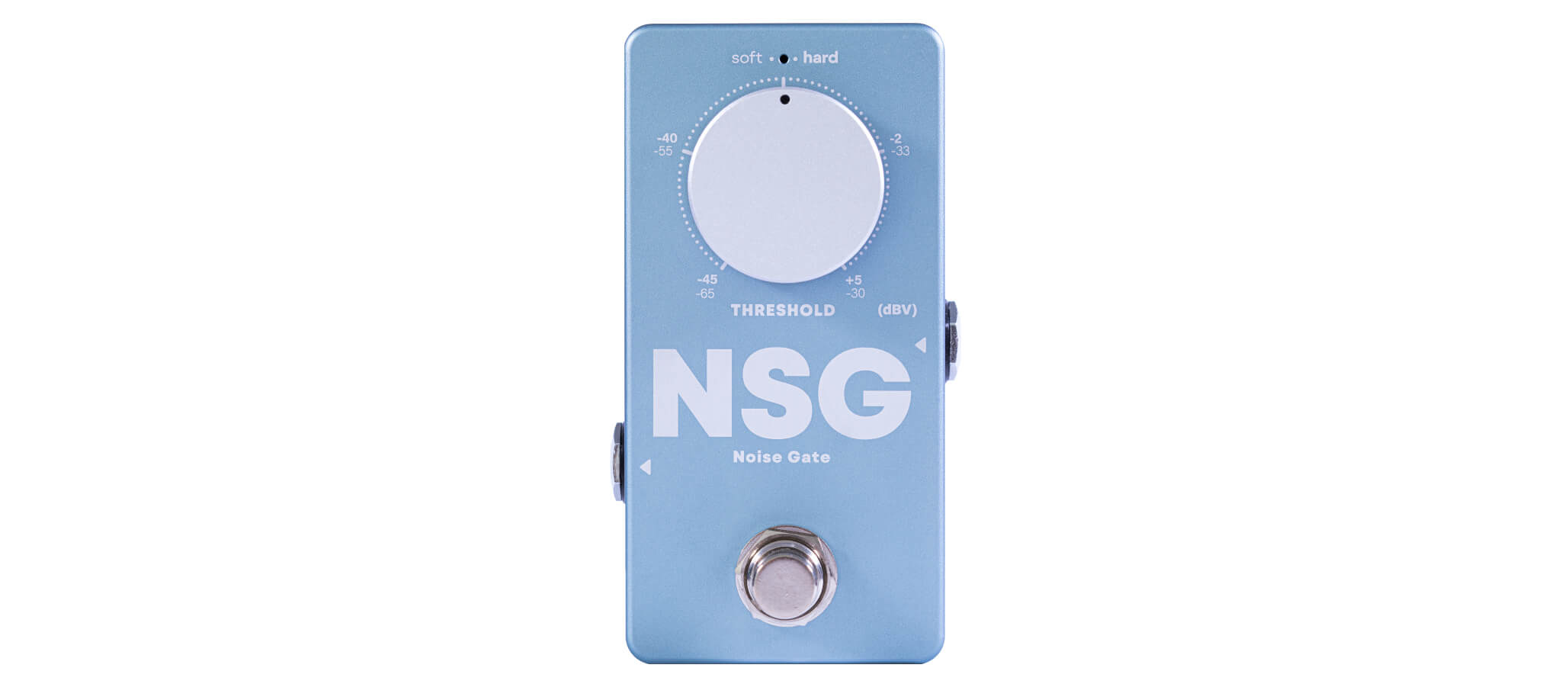
Precision Silence for the Modern Musician In the realm of high-gain amplification, unwanted noise can often plague musicians, disrupting the clarity of their performance. Addressing this challenge, Darkglass Electronics introduces the NSG Noise Gate, a pedal meticulously crafted to eliminate extraneous sounds while preserving the integrity of your tone. This addition to Darkglass’s lineup, akin to the Microtubes B1K Overdrive and Duality DFZ Fuzz, offers a specialized solution for both bassists and guitarists seeking refined control over their soundscapes. Design and Functionality The NSG boasts a minimalist yet functional design, featuring a prominent Threshold knob that allows users to set the level at which the gate engages. A simple press of this knob toggles between ‘Soft‘ and ‘Hard‘ gating modes, providing flexibility in noise suppression intensity. This straightforward interface ensures that musicians can quickly and effectively dial in their desired settings without navigating complex controls. Build Quality and Dimensions Built with Darkglass’s signature durability, the NSG is housed in a compact yet sturdy enclosure, designed to withstand rigorous use while saving valuable pedalboard space. It measures 50 mm (2 inches) wide, 36.5 mm (1.5 inches) long, and 100 mm (4 inches) high, with a weight of 205 g (0.45 lbs). Despite its small size, it feels solid and reliable, ensuring it can handle live performances and studio sessions alike. Performance and Application Designed for versatility, the NSG effectively reduces unwanted hums, hisses, and interference across various instruments and signal chains. Its adjustable threshold allows for precise control, ensuring that only the intended audio passes through while unwanted noise is suppressed. This makes it an invaluable tool for musicians who require a clean and controlled output, particularly in high-gain or effects-laden environments. Conclusion While the NSG is positioned at a higher price point within the noise gate market, its performance and build quality justify the investment. Musicians seeking a reliable and effective solution for noise suppression will find the NSG to be a worthy addition to their rig, offering both simplicity and efficiency in a single package. The Darkglass NSG Noise Gate stands as a testament to the brand’s commitment to addressing the nuanced needs of modern musicians. Its blend of straightforward design, robust construction, and effective noise suppression makes it a valuable asset for those aiming to maintain tonal purity in their performances. As with the Microtubes B1K and Duality DFZ, the NSG exemplifies Darkglass’s dedication to delivering specialized tools that enhance the musician’s experience. We reviewed all 3 pedals in the Darkglass Spot series. For more information on them, check the links below: Darkglass Microtubes B1K Darkglass DFZ: Duality Fuzz

News

The Digitech Whammy: MonoNeon Signature

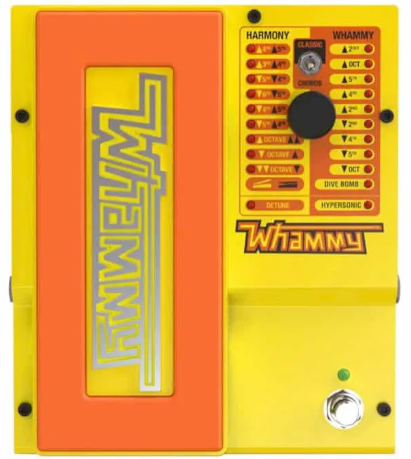
Digitech just released the signature MonoNeon Whammy Pedal MonoNeon is a trailblazing bassist known for his innovative and unconventional playing style. Renowned for pushing musical boundaries, he has now teamed up with DigiTech to create a one-of-a-kind effects pedal: the MonoNeon Signature Whammy. Inspired by DigiTech’s Whammy V, this pedal introduces groundbreaking features, including a brand-new Octave Blend, an enhanced Detune effect, and the show-stopping Hypersonic Mode, capable of shifting pitch up to three full octaves. Designed for both guitar and bass, this pedal expands sonic possibilities like never before. Sporting MonoNeon’s signature Neon Yellow and Neon Orange color scheme, the pedal stands out visually as much as it does sonically. The Expression Pedal controls pitch bending, while the Classic/Chords Switch toggles between Classic Whammy and Modern Whammy DT Chord settings. The Selector Knob offers access to Whammy, Octaver, Harmony, and Detune effects, with 10 Whammy settings optimized for both instruments. The all-new Hypersonic Mode pushes pitch shifting into uncharted territory, while the Detune effect blends just the right amount of detune with the dry signal. The Octaver function enhances chord playing by adding octaves above or below the original note, and the Harmony effect lets users blend pitch-shifted signals for rich, layered sounds. Equipped with instrument input and output, full MIDI control, and an included power supply, the DigiTech MonoNeon Signature Whammy ensures easy integration into any setup. Plus, it comes with a MonoNeon Customizing Kit, featuring Neon Yellow and Neon Orange Gaffer’s Tape, so players can personalize their pedalboard in true MonoNeon style. Whether for bass or guitar, the MonoNeon Signature Whammy redefines pitch-shifting and unlocks limitless creative potential. For more information check out the Digitech MonoNeon Whammy Pedal homepage.

Reviews

Darkglass Duality Fuzz: Pedal Review

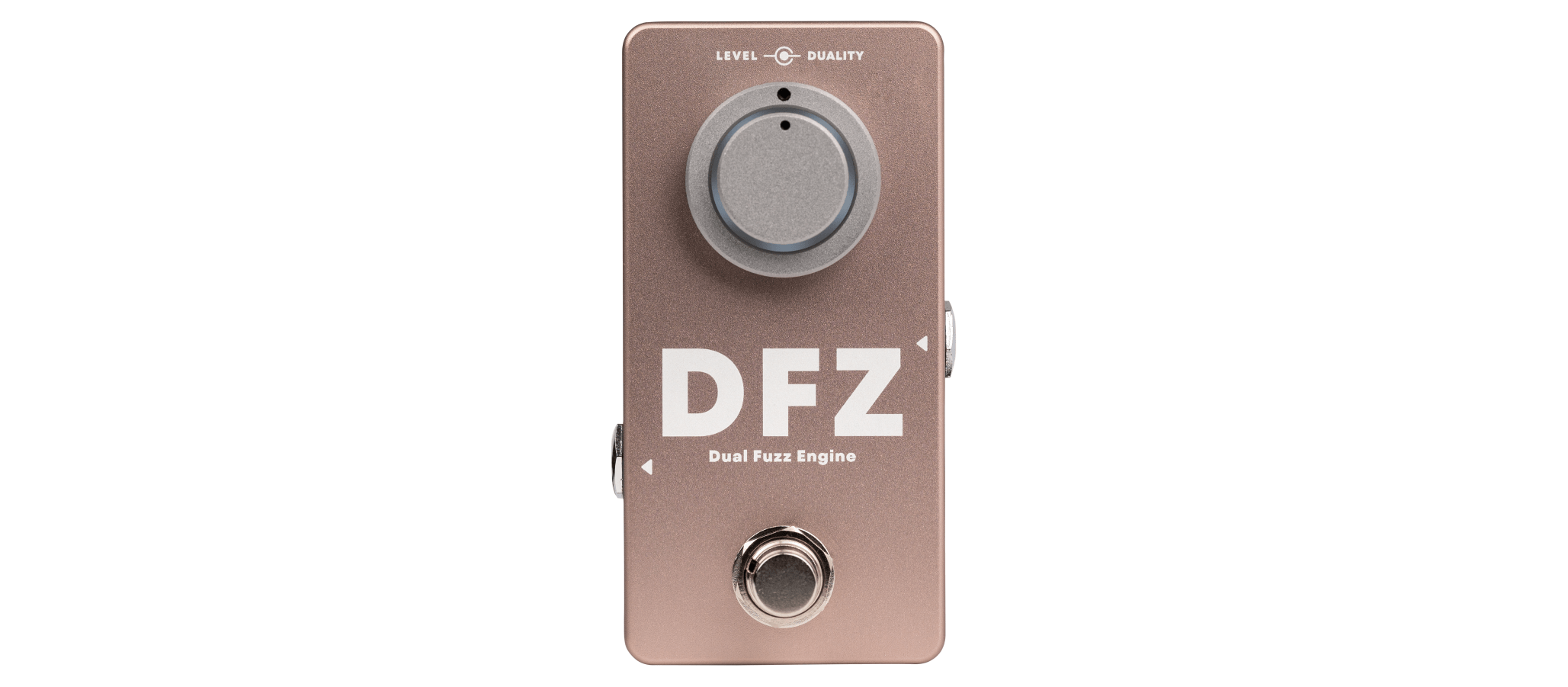
Compact Yet Mighty Fuzz The Darkglass Duality DFZ is a powerful fuzz pedal that brings the brand’s signature grit in a sleek, pedalboard-friendly form. Like its siblings, the Microtubes B1K Overdrive, and the NSG noise gate, the DFZ is part of Darkglass’s more understated lineup—pedals that may not get as much attention as their flagship models but still deliver serious tonal firepower. Designed for bassplayers who crave versatility, the DFZ offers a unique dual-fuzz circuit capable of producing everything from tight, gated distortion to thick, aggressive fuzz. Build and Controls At first glance, the DFZ keeps things simple, sporting a clean design with a single dual-knob layout. The Level knob controls overall output, while the Duality knob blends between two distinct fuzz textures: a cutting, gated saw-tooth wave and a high-gain, saturated fuzz. Hidden inside the pedal are two additional controls—Blend, which allows you to mix your clean and fuzzed signals, and Filter, which tweaks the high-frequency content for further tone shaping. These extra options provide more flexibility while keeping the pedal’s exterior clutter-free. Size and Weight Darkglass has kept the DFZ compact and lightweight, making it a perfect fit for crowded pedalboards. The unit measures approximately 10 cm (4 inches) high, 5 cm (2 inches) wide, and 4.5 cm (1.75 inches) deep, weighing in at 0.205 kg (0.45 lbs). Despite its small footprint, it still feels solid and well-built, maintaining the high-quality craftsmanship Darkglass is known for. Tone and Performance The DFZ stands out due to its blendable fuzz circuits, allowing players to fine-tune their distortion character. The gated saw-tooth fuzz delivers a percussive, synth-like attack, while the high-gain circuit provides a thicker, more sustained growl. By mixing between these two voices, bassists can achieve a broad spectrum of fuzz tones, from tight and controlled to chaotic and crushing. This makes the DFZ highly adaptable, whether you need a subtle dirt boost for rock or full-on sonic destruction for metal. Pricing and Accessibility For bassists looking to explore Darkglass’s premium fuzz sounds without spending a fortune, the DFZ offers an excellent balance of affordability and quality. Priced around €149, it remains within reach of players who want boutique tones without the boutique price tag. The compact design further enhances its appeal, ensuring that even those with limited pedalboard space can incorporate its versatile fuzz tones into their setup. Final Thoughts The Darkglass Duality DFZ is a small yet incredibly flexible fuzz pedal that delivers rich, customizable distortion in a streamlined package. Its dual fuzz circuits, internal tone-shaping options, and rugged build make it a solid choice for bassists who want a high-quality fuzz without overwhelming complexity. For those already interested in pedals like the Darkglass Microtubes B1K (which offers a more overdrive-focused sound), the DFZ serves as a complementary option that covers the heavier, fuzzier end of the spectrum. We reviewed all 3 pedals in the Darkglass Spot series. For more information on them, check the links below: Darkglass Microtubes B1K Darkglass NGS: Noise Gate

Reviews

Darkglass Microtubes B1K: Pedal review

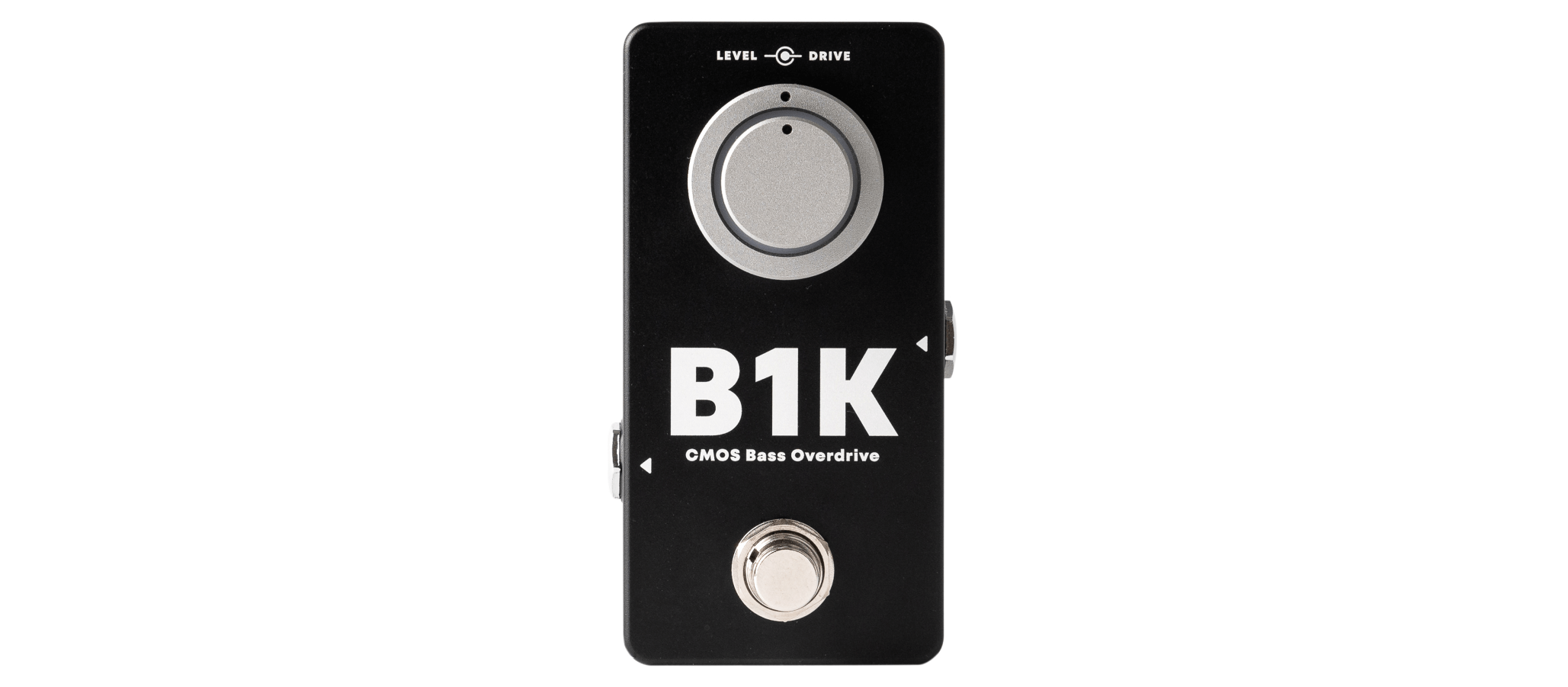
Compact Powerhouse for Bass Overdrive The Darkglass Microtubes B1K is a compact bass overdrive pedal that delivers the renowned Darkglass distortion in a simplified, pedalboard-friendly format. While Darkglass is well known for its high-end bass preamps and drive pedals, the B1K is part of a line of lesser-known, lesser-talked-about options that still pack a serious punch. Despite its small size, the B1K offers a powerful and articulate overdrive suitable for various playing styles. Design and Controls The B1K features a minimalist design with a single concentric knob on the front, allowing users to adjust both the Level and Drive parameters. This straightforward interface makes it easy to dial in the desired amount of saturation and output volume. Additionally, the pedal includes internal controls for Blend and Tone, enabling further customization of the overdriven sound. The Blend control mixes the clean input signal with the overdriven signal, while the Tone control adjusts the high-frequency content. Two internal switches, Grunt and MBoost, provide a low-end boost and a mid-frequency boost, respectively, allowing players to tailor the pedal’s response to their preferences. Dimensions and Weight Measuring 10 cm (4 inches) in height, 5 cm (2 inches) in width, and 4.5 cm (1.75 inches) in depth, the B1K is designed to fit comfortably on any pedalboard. It weighs approximately 0.205 kg (0.45 lbs), making it both compact and lightweight. Sound Quality Users have praised the B1K for its clear and articulate overdrive, which enhances the bass tone without sacrificing clarity. The pedal’s CMOS-based circuitry contributes to its distinctive sound, offering a “clear” clipping that is both aggressive and defined. This makes the B1K suitable for a range of genres, from rock to metal, where a pronounced bass presence is desired. Value and Accessibility One of the standout features of the B1K is its affordability compared to other Darkglass pedals. Priced at approximately €120, it provides an accessible entry point for bass players seeking the Darkglass sound without a significant financial investment. Its compact size also makes it an excellent choice for players with limited pedalboard space. Considerations While the internal controls offer additional tonal shaping options, some users may find the need to open the pedal for adjustments less convenient, especially during live performances. However, for players who prefer a set-and-forget approach, this design choice contributes to the pedal’s streamlined exterior and ease of use. Conclusion The Darkglass Microtubes B1K is a well-crafted, compact overdrive pedal that delivers the signature Darkglass distortion in an affordable and user-friendly package. Its combination of simplicity and tonal versatility makes it a valuable addition to any bass player’s setup, particularly for those seeking high-quality overdrive without the complexity or cost of larger units. We reviewed all 3 pedals in the Darkglass Spot series. For more information on them, check the links below: Darkglass DFZ Duality Fuzz Darkglass NSG: Noise Gate