Blog

News

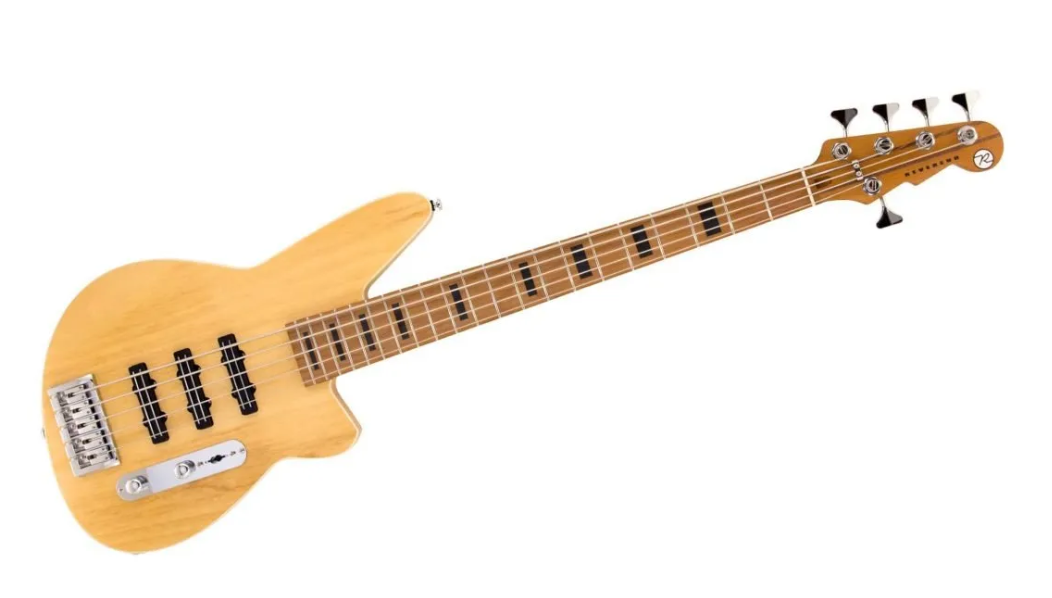
Reverend Releases the Triad 5 Bass

Reverend Guitars Unveils the Triad 5-String Bass Reverend Guitars is excited to introduce the highly anticipated 5-string version of their renowned Triad bass. The Triad 5 combines cutting-edge design, versatility, and outstanding playability, taking your sound to the next level. Built for players who crave flexibility, the Triad 5 features three of Reverend’s signature Jazz Bomb pickups. These high-output pickups deliver a wide range of tones, from punchy and focused to smooth and mellow, giving musicians complete tonal control. Paired with a 5-way selector switch, the Triad 5 allows easy access to five distinct sounds, making it an ideal instrument for a variety of genres and playing styles. The Triad 5’s sleek and stylish design is highlighted by its elegant block inlays, adding a touch of sophistication to the instrument. The smooth finish and meticulous craftsmanship ensure that this bass not only performs flawlessly but looks stunning as well. Designed with the modern bass player in mind, the Triad 5 offers improved playability with its comfortable neck profile and a contoured body that sits comfortably against the player. Whether you’re playing on stage, in the studio, or jamming with friends, the Triad 5 guarantees a superior experience. For bassists seeking a highly versatile 5-string instrument that blends premium tone, innovative features, and top-tier craftsmanship, the Triad 5 is the perfect choice. Available now at Reverend Guitars retailers and online. About Reverend GuitarsFounded in 1997, Reverend Guitars has built a reputation for creating high-quality, performance-driven instruments. Combining innovative designs with premium materials, Reverend guitars and basses have earned a loyal following among musicians across genres. The company remains committed to producing instruments that offer exceptional sound, style, and reliability for players of all levels. For more information, please visit www.reverendguitars.com.

Reviews

Source Audio C4: Pedal Review/Deep Dive

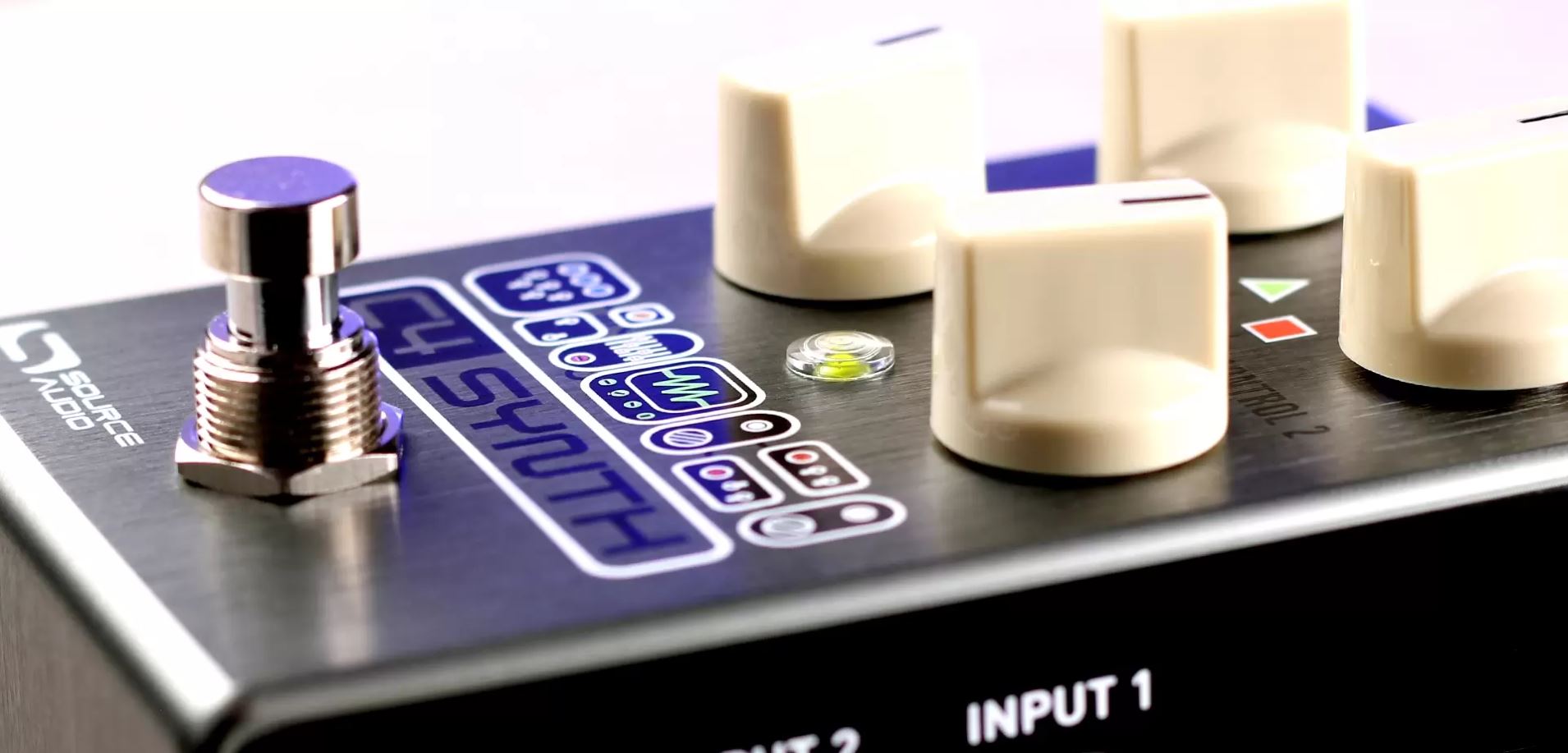
We go deep into the possibilities of the C4 The Source Audio C4 Bass Synth pedal is a cutting-edge, highly versatile tool that offers a treasure trove of sonic possibilities for bass players and guitarists alike. Whether you’re exploring massive synth textures, aggressive distortions, or deeply modulated tones, this pedal’s comprehensive suite of features and controls will undoubtedly elevate your sound. In this deep dive, we’ll explore everything from its basic functionality to its most advanced capabilities, showcasing why the C4 is not just another effects pedal, but an entire sonic landscape waiting to be discovered. –> Check the price on Amazon! Disclaimer: This pedal was kindly provided by Source Audio for the purpose of this review. However, this does not influence our opinions or the content of our reviews. We strive to provide honest, unbiased, and accurate assessments to ensure that our readers receive truthful and helpful information. Unboxing and First Impressions Out of the box, the Source Audio C4 Bass Synth is ready to rock, packaged with everything you need to get started. You’ll find the pedal itself, all necessary cables, a 9V power supply, a quick reference card, and even some swag! At first glance, the pedal feels incredibly sturdy, encased in a solid metal chassis that promises durability and longevity. This pedal is designed to take the rigors of live performance and studio sessions without skipping a beat. Controls and Features: What You See is Only the Beginning The C4’s user-friendly design immediately stands out, featuring four main knobs and a few key buttons: At the top of the pedal, you’ll find the ALT Control Button. By pressing this, you enter “ALT mode,” which changes the function of the Input and Mix knobs: The 3-way switch in ALT mode now lets you select between presets #4, #5, and #6. The pedal automatically exits ALT mode after five seconds, bringing you back to the original controls. The footswitch allows you to engage or disengage the pedal, with an LED indicator showing its status. The C4 is powered by a 9V power supply, with both mono and stereo input/output options to accommodate a wide variety of setups. The Default Presets: A Taste of What’s Possible Out of the box, the Source Audio C4 comes with six default presets: These presets are a fantastic starting point, showcasing the range of sounds the C4 can create, from vintage analog textures to more modern, cutting-edge synth tones. Each preset explores different waveforms, pitch shifting, LFO controls, and more, allowing you to get a taste of the pedal’s extensive capabilities right away. However, these six presets are just the beginning. The true power of the Source Audio C4 reveals itself when you dive into the Neuro App, a free preset-sharing and editing software that unlocks the full potential of the pedal. Unleashing the Power of the Neuro App While the default presets are impressive on their own, the real magic of the C4 lies in its ability to connect to the Neuro App. This app not only allows you to download and share presets from a growing library of over 10,000 community-created and Source Audio-designed sounds but also enables you to create your own custom presets and update the pedal’s firmware. For many, simply accessing the preset library may be enough to explore the pedal’s vast capabilities. However, for those who want to truly push the limits, the editing functionality in the Neuro App is where the magic happens. A Four-Voice Synth: Sculpting Your Sound At the heart of the C4 is its four-voice synthesizer, which gives you immense flexibility in crafting your sound. Each of these voices can run its own waveform, modulation, and effects, allowing for intricate and complex sound design. Before even touching the synth waveforms, the C4 allows you to route your dry bass signal through a range of distortion, filter, and LFO effects. This means you can use the pedal purely as a distortion or filter unit, providing the same dynamic and cutting-edge options you’d find in Source Audio’s other pedals like the Aftershock (for distortion) and Spectrum (for filters). You can apply multiple types of distortion—from light overdrive to aggressive fuzz—and pair them with filters, like low-pass or envelope filters, for tones that evolve and interact with the intensity of your playing. Each voice can be modulated independently with LFOs, further expanding your sound palette. The result is a truly versatile unit that can function as everything from a high-end distortion pedal to an advanced filter or modulation unit, all before you even dive into the more complex synth features. This gives you the ability to generate anything from gritty, driven tones to smooth, evolving textures—all routed through the same pedal, with control over each voice’s modulation. The flexibility to use these blocks in creative ways is one of the major strengths of the C4, offering endless possibilities for sound exploration. Once you start exploring the synth side of the pedal, the true potential of the C4 begins to unfold. Advanced Modulation and Synthesis Capabilities Each voice on the C4 can be independently modulated, including your dry signal. Thanks to the dual LFOs, you can control speed, waveform, and depth, adding incredible movement to your sound. This modulation capability is especially useful for creating evolving textures, classic tremolo effects, and the dynamic shifts that are a staple of modern EDM and synth-based genres. The synthesis capabilities of the C4 extend far beyond basic waveforms. Each voice can be assigned one of several types of synthesis: With the combination of pitch-shifting, modulation, and waveform manipulation, the C4 allows you to create sounds reminiscent of classic Moog synths, modular setups, or even cutting-edge digital synths. Whether you’re after deep, throbbing bass tones or shimmering, ethereal leads, the C4 has you covered. FM Synthesis: A New Dimension of Sound One of the standout features of the C4 is its ability to perform FM synthesis, which adds an entirely new dimension to the pedal. By modulating the frequency of
News

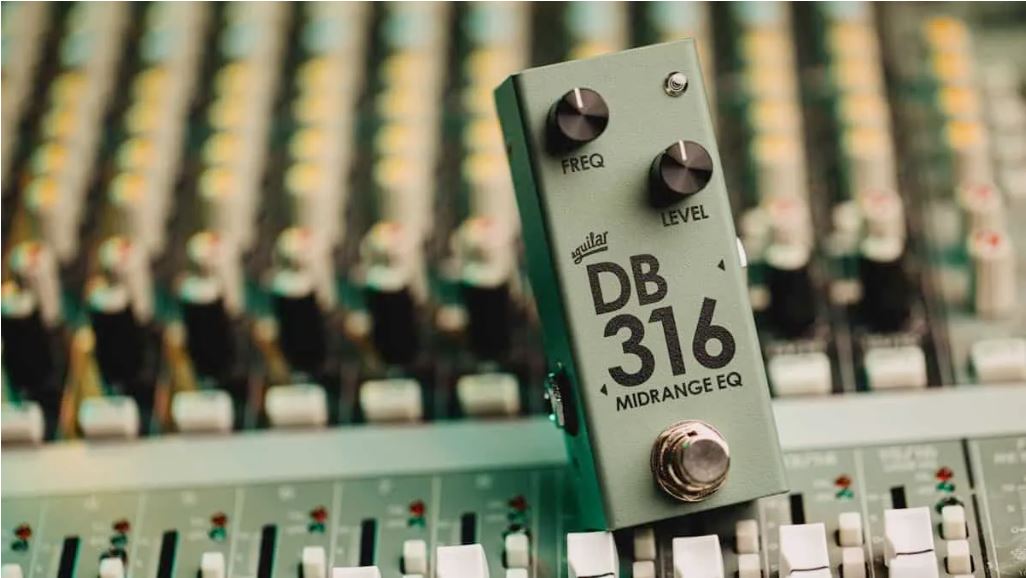
Aguilar Announces the DB316 Mid EQ Micro Pedal

Precision Midrange Control in a Compact Design New York, NY – Aguilar Amplification, renowned for its premium bass gear, introduces the DB316 Mid EQ Pedal, a powerful yet compact solution for sculpting the perfect midrange tone. Designed for bass players seeking greater control over their sound, this micro pedal is ideal for refining mid frequencies with precision and ease. Drawing inspiration from Aguilar’s acclaimed Tone Hammer preamp, the DB316 offers exceptional tonal flexibility, making it a must-have for players using passive basses or two-band EQ instruments where midrange shaping is essential. With its intuitive design, this pedal provides effortless tonal adjustments, allowing bass players to dial in a punchy presence or cut through a dense mix with clarity. Housed in a compact, pedalboard-friendly enclosure, the DB316 is designed for versatility. Whether used as an always-on tone enhancer or as a quick-access tool for switching between sonic profiles, this pedal offers seamless integration into any rig. From subtle tonal refinements to more pronounced frequency shaping, the DB316 delivers Aguilar’s signature quality in a streamlined, user-friendly package. With its rugged construction and studio-grade sound, the DB316 is built to meet the demands of both stage and studio applications. For bass players looking to fine-tune their midrange with precision, Aguilar’s latest innovation is a game-changer. For more information, visit www.aguilaramp.com.

Reviews

The Darkglass Kaamos: First Impressions

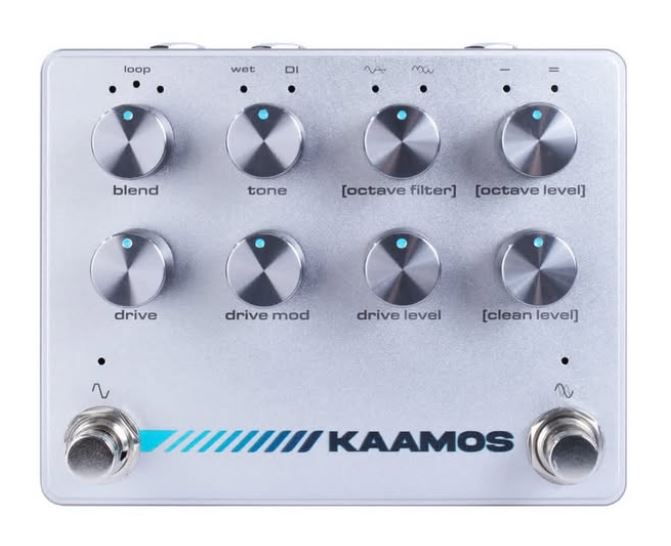
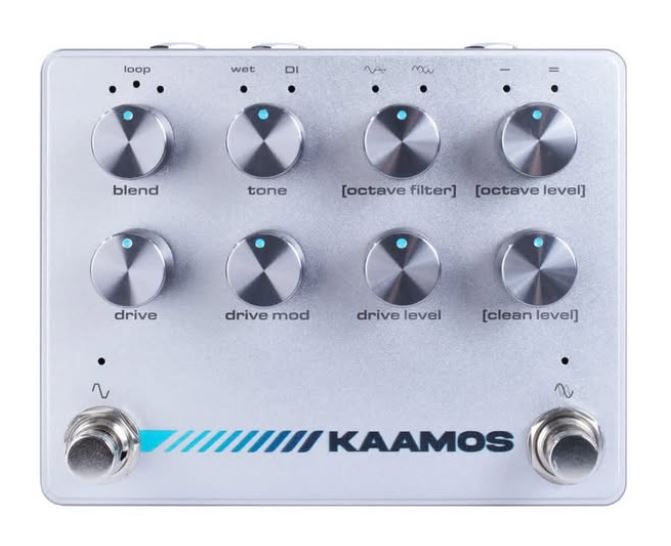
Here’s all the information we gathered from NAMM At NAMM, the global hub for musical innovation, Darkglass Electronics unveiled their latest game-changer: the Kaamos Bass Pedal. Designed in collaboration with Amos Heller, the touring bassist for Taylor Swift, this pedal is a powerful fusion of an octave divider and drive, offering bass players unparalleled flexibility and sonic depth. With its thoughtful design and robust features, the Kaamos pedal is more than a piece of gear—it’s a creative tool for both live performances and studio sessions. Let’s dive into the features, the design process, and why this pedal deserves a spot on every bass player’s pedalboard. A Collaboration Rooted in Trust Amos Heller’s partnership with Darkglass Electronics began during the pandemic when he started a YouTube channel to review and showcase bass gear. Darkglass supported him by sending him nearly their entire product catalog. Through these hands-on experiences, Amos gained a deep appreciation for their attention to detail and bass-first philosophy. “Their build quality is fantastic, and they really think about the bass player first,” Amos shared. “When we decided to work together, it was an absolute no-brainer.” The result of this collaboration is the Kaamos, a pedal that seamlessly combines a powerful octave divider with Darkglass’s signature distortion circuits. It offers endless possibilities for shaping tone, making it a versatile addition for any bassist’s setup. Core Features of the Kaamos Pedal 1. Octave Control The right side of the Kaamos pedal is dedicated to its octave capabilities. It features three distinct octave voices that cater to a variety of playing styles and genres: The octave filter adds another layer of control, letting you fine-tune the higher frequencies to suit your preferences. Whether you want a subtle sub-layer or a dominant low-end presence, the Kaamos adapts to your needs. 2. Distortion Control The left side of the pedal focuses on Darkglass’s signature drive. Players can adjust the blend, drive level, and overall tone to dial in the perfect amount of grit or fuzz. The standout feature here is the Drive Mod Knob, which allows for a seamless transition between bright, sparkly distortion and rowdy, fuzz-laden tones. “This knob is huge,” Amos emphasized, explaining how it makes the pedal adaptable to different basses and musical contexts. 3. Series and Parallel Modes One of the most innovative features of the Kaamos is its ability to configure the octave and distortion sections in series or parallel. The mode can be toggled by pressing the Octave Level Knob, with LEDs indicating the selected mode. 4. Flexible Effects Loop The Kaamos features a highly customizable effects loop, giving players the freedom to position it at three different points in the signal chain: The position is selected by pressing the Blend Knob, with LEDs indicating the current configuration. Even better, the loop automatically detects if nothing is plugged in, removing itself from the signal chain to ensure seamless operation. Additional Features Technical Specifications The Kaamos pedal is built for durability and portability, with dimensions and weight that make it ideal for both stage and studio use: Why the Kaamos Stands Out Integrated Design for Maximum Versatility One of the most common challenges for bass players is getting octave and drive pedals to interact seamlessly. With the Kaamos, Darkglass has eliminated this issue by integrating the two effects in a way that’s both intuitive and powerful. “When you buy separate octave and distortion pedals, you’re always guessing how they’ll interact,” Amos explained. “With the Kaamos, they’re already in the same sauce. They’re designed to complement each other perfectly.” Tailored for Bass Players From its bass-focused circuitry to its flexible routing options, the Kaamos is designed with bass players in mind. Whether you’re playing funk, rock, pop, or any other genre, the pedal adapts to your playing style and gear setup. Final Thoughts The Darkglass Kaamos Pedal is more than just a piece of gear—it’s a creative weapon for bass players looking to explore new sonic territories. With its rich octave capabilities, customizable drive, and innovative routing options, it offers endless possibilities for crafting unique tones. Whether you’re in the studio or on stage, the Kaamos delivers reliable performance and unmatched versatility. As Amos Heller puts it, “It’s two great tastes that taste great together.” For bass players seeking a pedal that combines power, flexibility, and ease of use, the Kaamos is an essential addition to the rig.

News

Darkglass announces the Kaamos

An Octave Divider/Drive done in collaboration with Taylor Swift bass player Amos Heller Announced by the artist himself in his Instagram account, here’s what he had to say about the pedal: The KAAMOS pedal is out! Bassists who have discovered the seismic power of an octave divider into a drive have a flexible, highly customizable solution in a single pedal. The KAAMOS has deep levels of control over octave character, Darkglass’s iconic passion for bass-focused drive and the option to keep the sub signal clean of distortion for a dynamic, three dimensional sound. I also wanted to include an effects loop and some inventive switching to let you move the loop to different points in the signal chain. Fade your subs in with a volume pedal for a sidechain effect. Your distorted signal can have a long reverb tail while your sub stays precise. Add a chorus and completely separate drive to your clean signal. And if you don’t want to fuss with all that, you’ve got a crushing octave + drive that will command the room. We did a first impressions on the Kaamos article that you can check here! For more information you can check the offical Kaamos page in the Darkglass official website!