Blog

Category: Reviews

Reviews

Top 5 Boss Pedals for Bass in 2025

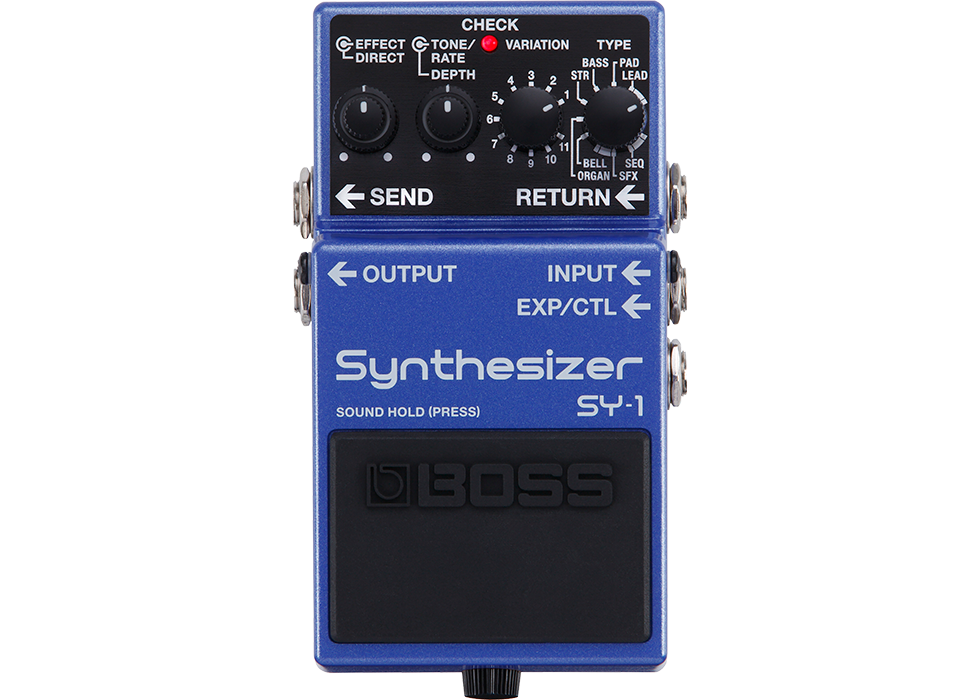
A New Kind of List From the BGR Team ✳️ Editor’s note: This isn’t our usual full-length, hands-on review. It’s an experimental format — a curated list based on our testing history, reader feedback, and the broader bass community pulse. No lab coats this time, just an honest snapshot of five BOSS pedals that still matter in 2025. Let us know at the end if you’d like more of this kind of content! 1. Boss ODB-3 Bass OverDrive The modern classic for aggressive low-end dirt. The ODB-3 has been around since the ’90s and is still going strong — and for good reason. Unlike many overdrive pedals adapted from guitar circuits, the ODB-3 was purpose-built for bass, meaning it retains sub-lows while adding grind. The active EQ section (with ±15 dB cut/boost on high and low bands) allows for sculpting that gritty mid-forward bark or a scooped, distorted thundercloud — depending on your genre. ✅ Best for: Rock, punk, hardcore, metal, slap-heavy funk⚠️ Watch out for: The gain can get harsh fast — dial with care, especially in a mix 🔍 Why it’s still on pedalboards in 2025: It’s aggressive, flexible, and still cheaper than most boutique alternatives. Don’t let the yellow fool you — this thing roars. We’ve written a detailed review of the ODB-3 here! 2. Boss GEB-7 Bass Equalizer The unsung hero of tone control. The GEB-7 gives you 7 bands of precision EQ, from 50 Hz to 10 kHz — which is crucial for bassists who want to fine-tune their presence in a band mix. The 50 Hz slider controls real sub-bass rumble, while the 120–400 Hz range lets you dial in or scoop low-mid mud. The higher bands (especially 4.5 kHz and 10 kHz) let you add snap and articulation — particularly useful for slappers and pick players. ✅ Best for: Session players, live musicians, recording engineers, anyone with a fussy amp⚠️ Tip: Try boosting the 800 Hz band slightly for fingerstyle articulation in busy mixes 🔍 Why it matters: It’s not sexy, but when you’ve got tone problems, this pedal fixes them. Pair it with a compressor or drive pedal and watch your rig come alive. 3. Boss LMB-3 Bass Limiter Enhancer Transparent compression meets subtle enhancement. The LMB-3 is a soft-knee limiter/compressor with a bit of a twist: the “Enhance” control, which adds clarity and brightness — but can get harsh if overused. The Threshold and Ratio knobs give you real control over your dynamics, making it especially useful for live bassists who want to avoid volume spikes or slap-style transients poking out. ✅ Best for: Funk players, live players, session work, clean low-end preservation⚠️ Caution: Don’t turn “Enhance” past 1–2 o’clock unless you want hi-fi hiss 🔍 Why it’s worth your time: It smooths without squashing and adds presence without a full-on EQ. It’s not an “effect” pedal — it’s a tone shaper and protector. 4. Boss CEB-3 Bass Chorus Lush, low-end-safe modulation that sits in the pocket. The CEB-3 is a chorus circuit tuned specifically for bass frequencies, which is rare even in 2025. Its key feature is the “Low Filter” knob, which allows you to apply chorus only to higher frequencies — preserving low-end clarity while adding lush modulation to your mids and highs. Whether you’re playing Jaco-style fretless lines or want subtle movement in clean tones, it handles it without mud. ✅ Best for: Ambient/fretless players, ballads, reggae, new wave, synthwave⚠️ Pro tip: Keep Depth and Rate low for “barely-there” shimmer — a little goes a long way 🔍 Why it survives year after year: It gives you movement without mess, and it’s one of the only chorus pedals that doesn’t choke your low end. 5. Boss SY-1 Synthesizer Pedal No MIDI, no tracking issues — just instant synth fun. The SY-1 is a polyphonic synth pedal that works flawlessly with both passive and active basses. It tracks quickly, without latency, and gives you 121 synth tones across pads, leads, bells, sequences, and even bass synths. Its standout feature is no special pickup or MIDI needed — just plug and play. Want your P-bass to sound like a Blade Runner soundtrack? Here you go. ✅ Best for: Experimental players, synth bass fans, looping artists, ambient or electro-funk⚠️ Heads-up: Some patches can overwhelm live mixes — use the Blend knob wisely 🔍 Why it’s on the list: The SY-1 is pure inspiration in a box. It’s not your everyday pedal, but once you try it, it’s hard to stop. Final Thoughts This was a different kind of article for us — less lab-testing, more community-driven curation. We’ve seen hundreds of pedals come and go, but these five Boss units are still earning their space on bassists’ boards in 2025 — for good reasons. That said, we couldn’t hit every standout. A few honorable mentions deserve a shout: 🎖️ Boss TU-3 Chromatic Tuner – It’s not glamorous, but it’s bulletproof. Tracks low B without flinching and doubles as a mute switch. Still a pedalboard essential in 2025.🎖️ Boss OC-5 Octave – A sleeper hit for modern bassists. The vintage mode nails classic sub tones, while the poly tracking is freakishly clean — even with chords.🎖️ Waza Craft Series (BB-1X, CE-2W, etc.) – Some Waza models offer studio-grade refinement for players who want more transparency or warmth. The BB-1X in particular feels like a DI and preamp in one. 👉 What do you think of this format? Should we keep doing “curated lists” like this — or stick to the full-length breakdowns and deep-dives we’re known for? Tell us in the comments, hit us up on social, or email the team directly. Your feedback shapes what we write next.
Reviews

MXR Bass Synth – MB301: First Impressions

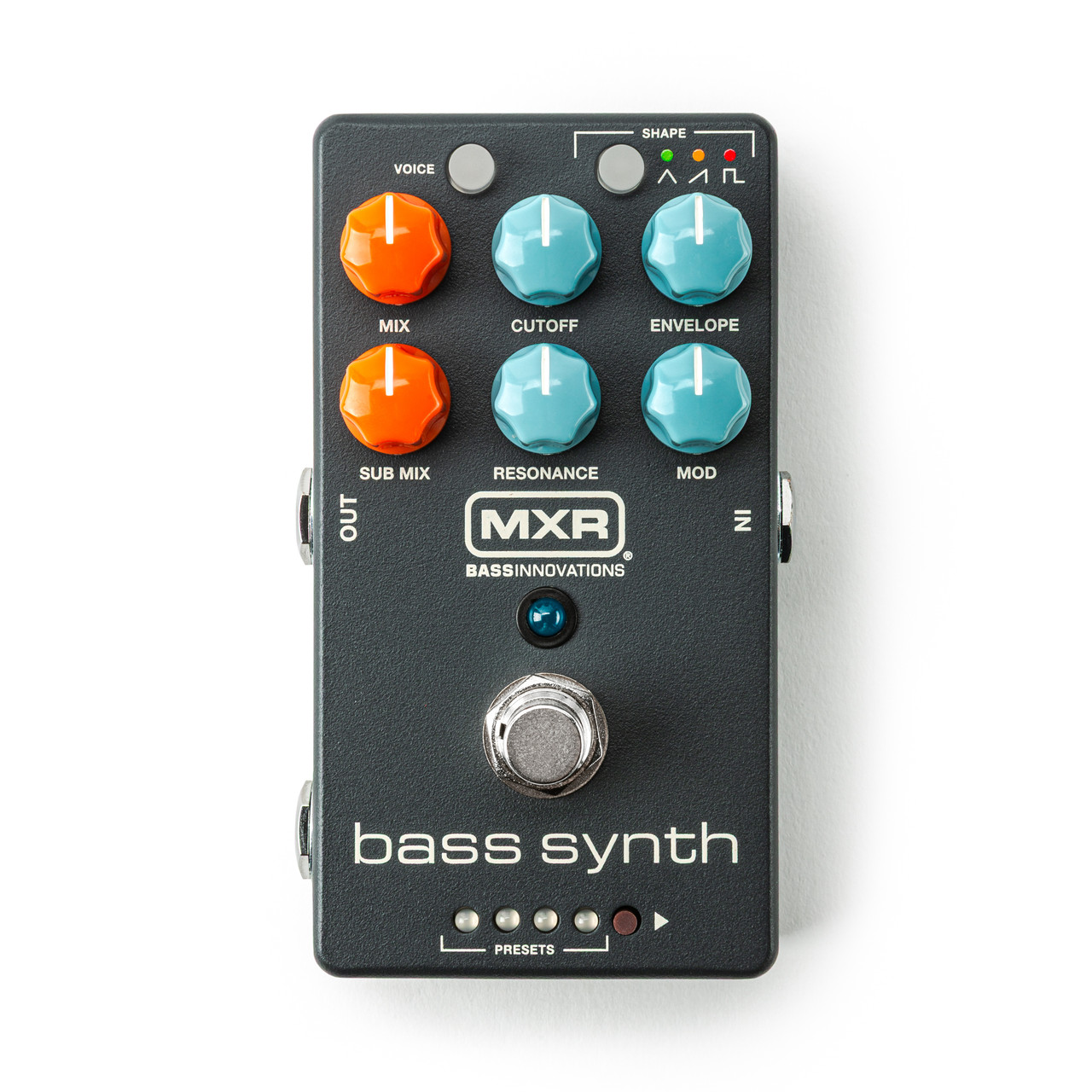
We take a first look at MXR new release. The announcement of the MXR Bass Synth on July 1, 2025, created an instant buzz among low-end explorers, and after several days of hands-on testing, it’s clear why. Co-designed with bassist and educator Ian Martin Allison, the MB301 aims to occupy the sweet spot between plug-and-play simplicity and deep sonic tinkering. Here’s how it fares once the honeymoon period is over. Design, Build and Power From the first look, the MB301 feels unmistakably MXR: a compact, weighty aluminium chassis that will survive life on a busy pedalboard. Six large, evenly spaced knobs sit up front, flanked by two soft-touch mini buttons (Voice and Shape) and an illuminated Presets switch. Around back, a mono input, TRS output (for stereo or wet/dry operation), and a multi-purpose CTR jack (expression, tap-tempo or right-channel out) keep routing options flexible. Power is via a 9V DC, 330 mA centre-negative supply—no battery option, which makes sense given the current draw. Control Layout and Everyday Workflow At surface level, the pedal is blissfully immediate: Mix balances dry and synth, Sub Mix blends a dedicated sub-oscillator, Cutoff and Resonance form a classic four-pole low-pass filter, while Envelope and Mod govern dynamics and movement. Beneath these are 13 secondary parameters (compression, glide, tracking mode, gate sensitivity, output gain, and more) accessed by holding Voice or Shape while turning the knobs. Everything—even those deeper tweaks—can be stored in eight on-board presets, recalled by a long-press of the footswitch. Preset Suite: A Guided Tour of Classic Lines The factory sounds are more than throwaways: Thrillenganes, Wonderful, Lizard Synth, Synthadelic, Sledge, and Army of Synth emulate the signature timbres of Greg Phillinganes (Thriller), Stevie Wonder, Herbie Hancock, Bernie Worrell, Tony Levin, and Björk respectively. Each patch demonstrates a different corner of the engine—sub-octave punch, resonant quack, slow-sweep pads—and they’re ideal jumping-off points for your own edits. Tone and Performance Tracking and latency: On a standard four-string tuned to E♭, the synth locks on confidently down to open E. Switching tracking mode to “5-String Bass” extends the range to low B with only the occasional wobble on slides. Glide can be set from snappy note-on phrases to syrupy portamento—great for Daft Punk-style slides. Filter character: The Cutoff/Resonance pair feels lifted straight from a classic analogue monosynth. Crank Resonance past 2 o’clock and the pedal will happily self-oscillate, yet it never loses low-end body. Pairing a high Resonance peak with the Noise Mix parameter yields edgy, industrial fizz reminiscent of Nine Inch Nails’ Pretty Hate Machine. Modulation and stereo tricks: Engage Voice to add harmonically tuned oscillators, then flip Output Mode to Stereo to hear those oscillators panned across the field with chorus-enhanced width—perfect for stereo live rigs or ambient studio sessions. Live Ergonomics Studio Notes The synth engine is digital, but the audio path is impressively quiet. The Output Gain control offers ±18 dB of trim to hit recording interfaces cleanly. In mono mode, the pedal uses true bypass; in stereo or wet/dry modes, it switches to a buffered path, which helps preserve signal quality over long cable runs. Where It Sits in the Market While not as feature-dense or programmable as a Source Audio C4 or Panda Audio Future Impact, the MXR Bass Synth offers a far more intuitive and rewarding hands-on experience. It easily surpasses more basic monosynth pedals in terms of tone, tracking, and flexibility. Many users are already calling it the best plug-and-play bass synth pedal for live performance. Price and Value At $269.99, the Bass Synth is priced in line with boutique overdrives or delays. Given its robust build, excellent core tones, deep feature set, and real-world usability, it offers excellent value—especially for players who want analog-style character without diving into menus or external editors. Verdict The MXR Bass Synth might succeed because it respects a bassist’s workflow: instant gratification when you’re on the clock, yet enough depth to keep you experimenting after sound check. Punchy sub-octave heft, articulate filter sweeps, expressive modulation, usable presets, low latency, stereo options, and expression control make this a powerful creative tool. If you want a pedal that turns your bass into a convincing analog-style monosynth in seconds, the MB301 might set a new benchmark.

Reviews

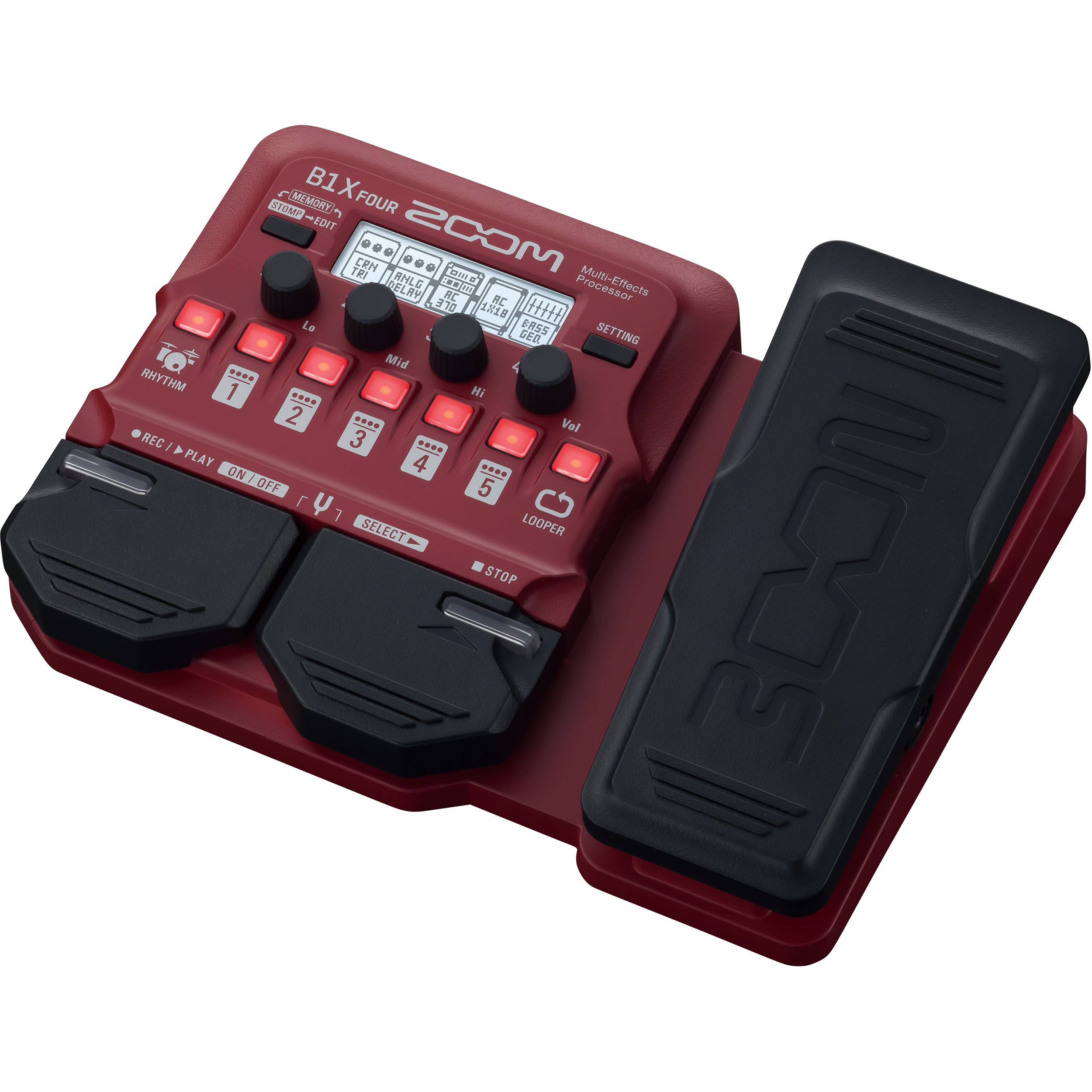
Zoom B1X Four: Pedal Review

A Gateway to Creative, Affordable Bass Tone The Zoom B1X Four is not just a multi-effect pedal — it’s a game-changer for beginners, home studio players, and even pros who want a compact rig for practice, writing, or fly dates. Retailing at a fraction of the cost of most single boutique pedals, it offers a staggering variety of tones, amp models, effects, and tools. The “X” version adds an expression pedal, which significantly expands its usability, especially for real-time control of volume, filter, pitch, or modulation effects. Make no mistake — this is a budget pedal, built with cost-saving in mind. But within its humble plastic housing lives a powerful sound engine and a highly functional layout that puts a ton of sonic exploration at your fingertips. What You Get for the Price The Zoom B1X Four includes: All this in a small footprint and at a cost often lower than a single mid-range overdrive pedal. Sound Quality and Performance Let’s get this clear: is it studio-grade, boutique-level sound? No. But that’s not what this pedal is trying to be. What the B1X Four does offer is incredibly usable, musical tone that can be customized, layered, and dialed in for almost any playing style. Many of the effects are very well-voiced for bass and have clearly been optimized to preserve low-end integrity — a frequent issue in cheaper multi-FX units. Effects Highlights: Amp Modeling is a strong suit. The SVT, Bassman, and Hartke-style models offer distinct voices and enough EQ flexibility to anchor a solid DI tone. Through headphones, they can get you surprisingly close to a “real amp” feel. In live settings, the amp/cab sims make it easy to go straight to FOH or into an audio interface. Expression Pedal Use The B1X model’s built-in expression pedal is one of the most important upgrades over the standard B1 Four. You can assign it to: It’s plastic and a bit short in travel, but it works, and it’s very useful for real-time dynamics or morphing effects. Utility Features Build Quality Yes, it’s plastic. Yes, it’s light. The footswitches are soft-touch, not mechanical. The knobs aren’t premium. But for careful home use, travel, or low-impact gigging, it’s surprisingly robust. Keep expectations in check: this isn’t built like a Strymon or Boss unit — but it’s also a tenth of the cost. Who This Pedal Is For Pros and Cons Pros: Cons: Conclusion: A Budget Giant That Punches Well Above Its Weight The Zoom B1X Four is not trying to be a boutique pedalboard. It’s not handmade, analog, or vintage. But for under $100, it gives bassists a shockingly wide and deep palette of tools to explore. It is, in every sense, the best value in the multi-effects world for bass. Whether you’re just starting out or need a compact Swiss-army knife for sketching, jamming, teaching, or traveling, the B1X Four delivers an experience that is musically rewarding and creatively inspiring, without punishing your wallet. If you need versatility, portability, and features over fancy aesthetics or analog nuance — this might be the smartest pedal purchase you ever make.

Reviews

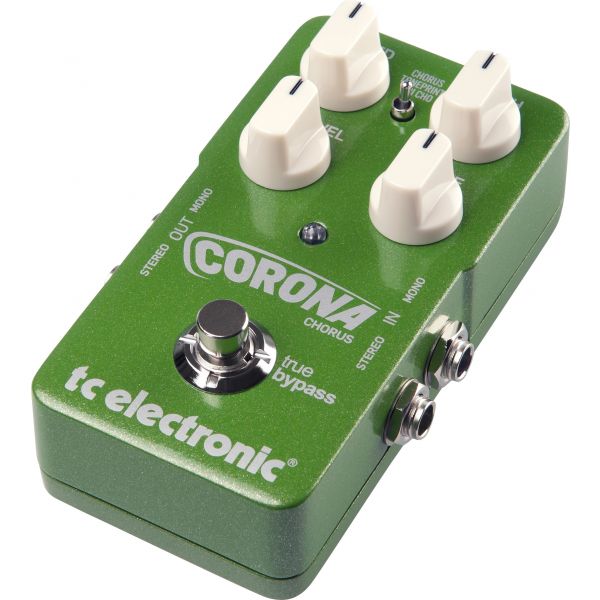
TC Electronic Corona Chorus: Pedal Review

A Versatile, Stereo-Ready Modulation Tool with a Classic Soul First introduced as part of TC Electronic’s TonePrint series, the Corona Chorus takes the company’s legendary SCF (Stereo Chorus Flanger) algorithm — made famous in the ‘80s by the likes of Eric Johnson and John Petrucci — and wraps it in a modern, pedalboard-friendly enclosure. But this isn’t just a one-trick shimmer box. The Corona is a multi-voice digital chorus that’s designed to cover everything from subtle swirl to full-on 3D warble. This is not an analog chorus — it’s all digital — but that’s not a downside. The pedal has exceptionally low noise, stereo ins and outs, and the kind of depth and clarity that you rarely get from BBD-based analog units. It’s built to play well with both guitar and bass, especially in studio or live stereo rigs. Core Controls and Features The standard controls look familiar, but they’re deceptively deep: Let’s break these modes down: Standard ChorusA relatively subtle, clean chorus voice based on TC’s SCF legacy. It offers rich, transparent modulation that doesn’t overly color the signal. Works particularly well on bass when dialed in with a low Depth and FX Level. Excellent for adding movement without sacrificing low-end clarity. Tri-ChorusThis is where things get interesting. Tri-Chorus runs three chorus voices simultaneously, each modulating slightly out of sync. The result is a massive stereo spread and a sense of dimensionality — think early-‘90s rack-mount shimmer. With subtle settings, it feels like the bass is breathing. Crank it, and it goes into lush synth pad territory. TonePrint ModeThis is where TC’s modern edge really shines. You can use the TonePrint app or editor to download or create chorus presets made by artists (e.g., Duff McKagan, Nathan East, John Petrucci) or tweak your own settings in the deep editor. With TonePrint, you can: This level of control makes the Corona far more versatile than almost any other compact chorus on the market. Why Chorus on Bass? Chorus might not be the first modulation effect bassists reach for, but when used tastefully, it adds depth, atmosphere, and movement. It’s especially effective in: On bass, a chorus needs to be either very subtle or very smart — and the Corona’s blend and TonePrint capabilities make it ideal. The high-pass filtering you can program in TonePrint means you can let the effect live in the mids and highs, preserving all your low-end definition. Build and Connectivity No nonsense, no bulk — just a clean, well-built pedal that’s made to tour or record with. Pros and Cons Pros: Cons: Conclusion: A Workhorse Chorus with Modern Tools and Classic Depth The TC Electronic Corona Chorus might not have the analog mystique of a Boss CE-2 or the vintage warble of an EHX Small Clone, but what it offers instead is practical, versatile, beautiful chorus that actually fits a working musician’s life — especially for bassists. Its wide tonal range, subtle FX Level control, and the ability to customize your modulation via TonePrint make it an incredibly powerful tool, whether you’re just looking to thicken your clean tone or build massive ambient soundscapes. It can be clinical or musical, vintage or hi-fi — it’s up to you. If you’re a bass player who wants modulation that respects the lows and adds spaciousness to your playing, the Corona Chorus is a top-tier choice that holds up in every context — and with a bit of tweaking, it can even outclass some of the more famous analog units in terms of real-world usability.

Reviews

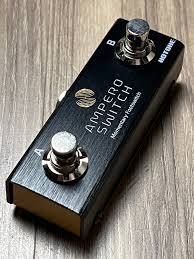
Hotone Ampero FS-1 Footswitch: Pedal Review

Solid Utility in a Small Affordable Package I just picked up the Ampero FS-1 recently to expand my HX Stomp’s functionality, and I’ve been pleasantly surprised. As a working bass player, I’m always on the lookout for gear that’s reliable, compact, and affordable—this checks all the boxes. The build quality feels solid and roadworthy. The switch has a nice tactile click without being too stiff or noisy, which is ideal for live use. Setup with the HX Stomp was plug-and-play—no hassle, no extra configuration needed. Specifications:The Ampero FS-1 is a compact, double-button momentary footswitch housed in a durable metal enclosure. It uses a standard 1/4″ TRS connection, making it compatible with a wide range of gear that supports external footswitch inputs. The pedal is passive—no power required. Its minimal footprint makes it easy to integrate into tight setups without sacrificing functionality or build quality. While I’m using it with my HX Stomp, the FS-1 works with any device that supports standard momentary footswitches, like amps, modelers, loopers, or even pedals that accept external footswitch control. It’s a simple way to expand control options without adding complexity or cost. For the price, this thing punches way above its weight. It’s a small addition that makes a big difference in a gigging rig.