Blog

News

Is Darkglass Electronics Entering a New Era of Bass Technology?

Taking a look at one of the most influential brand of the last years Over the past year, Darkglass has quietly shifted from its reputation as a boutique distortion brand into a broader, more ambitious tone-shaping innovator — and the ripple effects are already visible across bass pedalboards and studios alike. From Classic Drive to Modern Workstation For years, Darkglass Electronics built its identity on aggressive, modern bass drive tones. The B7K and Alpha Omega series helped define the sound of contemporary metal and progressive bass. But recently, the company has taken a much larger step forward. The launch of the Anagram Bass Workstation marked a turning point. Rather than releasing another distortion pedal, Darkglass introduced a fully-fledged multi-effects and amp-modeling platform designed specifically for bass players. With a large touchscreen interface, deep DSP processing, and flexible routing options, Anagram feels less like a pedal and more like a complete tone ecosystem. Its block-based architecture allows extensive signal chain customization, blending parallel paths, dynamic processing, modulation, and amp modeling in ways that would normally require an elaborate pedalboard setup. Instead of focusing purely on drive, Darkglass is now competing in the broader digital modeling space — while still maintaining a bass-first philosophy. From Pedals to Platform What’s most interesting isn’t just the hardware — it’s the strategy. Darkglass appears to be moving toward a platform model. Rather than a one-and-done product release, the workstation concept allows for expansion, updates, and new tone blocks over time. That shift mirrors trends in the guitar world, where players increasingly expect their gear to evolve through firmware updates and modular content. For a brand that built its name on analog distortion circuits, this is a significant evolution. It signals long-term thinking — and possibly a deeper commitment to digital development moving forward. Amplification Still Matters Despite the push into DSP territory, Darkglass hasn’t abandoned its roots in high-powered amplification. Their Microtubes amp series continues to bridge analog grit with modern convenience, offering features like onboard compression, cab simulation, and extensive connectivity options. Rather than replacing traditional rigs, Darkglass seems to be building tools that integrate seamlessly into both analog and digital setups. That hybrid flexibility may be the key to their longevity. The Bigger Picture If there’s a theme emerging for Darkglass in 2026, it’s evolution. The question now isn’t whether Darkglass can build great drive pedals — that’s already established. The real question is whether they’re positioning themselves to become one of the dominant bass technology companies of the next decade. If Anagram and the broader platform strategy succeed, we may look back on this period as the moment Darkglass moved from cult favorite to industry cornerstone. And for bass players, that shift could mean more flexibility, more innovation — and a future where bass gear development finally moves at the same pace as the guitar world.
Reviews

Cort Announces the GB Short Scale Bass Series

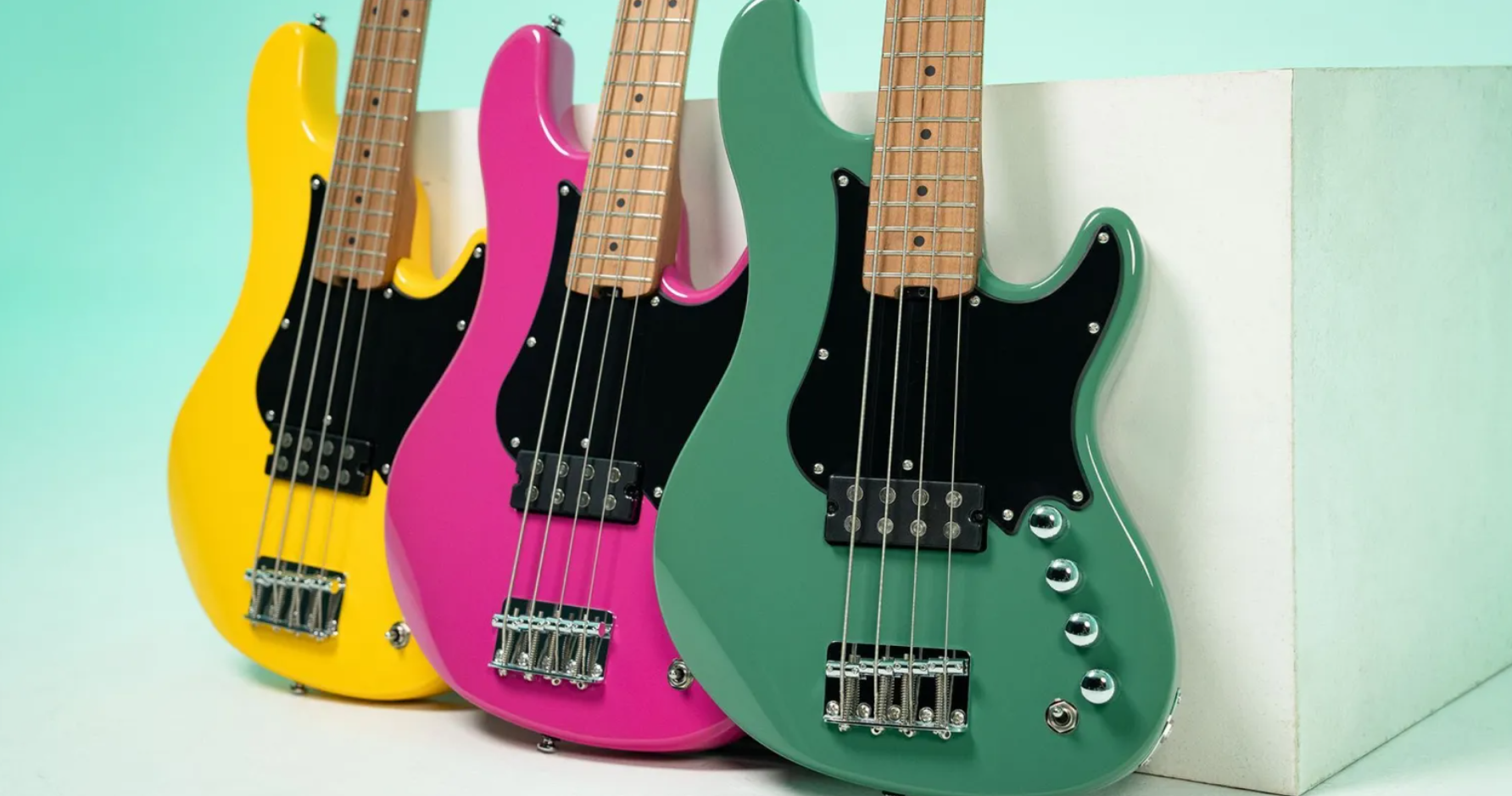
30-Inch Comfort Meets Modern Electronics Cort Guitars is doubling down on comfort without compromise with the release of its new GB Short Scale bass lineup—a compact, gig-ready instrument built for players who want full-bodied tone in a more manageable format. This isn’t just a stripped-down beginner bass—it’s a thoughtfully spec’d instrument aimed squarely at working bassists who value ergonomics, portability, and tonal range. The GB Short Scale features a poplar body that delivers balanced response across the spectrum, with warm mids and smooth, rounded highs. Notably, the body is approximately 20% smaller than a standard full-scale bass, making it an appealing option for players seeking reduced shoulder strain or a more travel-friendly instrument. The bolt-on neck is crafted from roasted maple, enhancing structural stability while giving the instrument a rich golden-brown aesthetic. The 30-inch scale is paired with a roasted maple fretboard sporting a 15.75-inch radius, 22 medium-jumbo frets, and black dot inlays with matching side markers for a clean, cohesive look. A comfortable C-shaped neck profile and 38mm (1 1/2-inch) PPS nut width keep the feel fast and accessible. A 4-inline headstock rounds out the classic silhouette. Flexible Electronics, Modern Edge At the heart of the GB Short Scale is a Cort Powersound humbucker, engineered for versatility. Thanks to a 3-way pickup selector, players can switch between series, split, and parallel modes—unlocking everything from thick, punchy humbucker growl to more articulate single-coil-style tones. The bass is powered by a Markbass MB-1 preamp, delivering a transparent, musical boost that preserves the instrument’s core character. Controls include master volume and a 3-band EQ, providing ample shaping capability whether you’re dialing in modern slap tones, vintage thump, or mid-forward rock grind. Player-Focused Details Hardware stays classic with a vintage-style bridge and chrome open-gear tuners. The bass ships strung with .045–.105 gauge strings, striking a balance between tension and flexibility on the short scale platform. A spoke nut hotrod truss rod allows for easy neck adjustments, and the ergonomic neck joint improves upper fret access while reducing hand strain during extended sessions. The GB Short Scale is finished with a gloss body and matte neck for a smooth, broken-in feel. Available color options include Yellow Crush, Forest Green, and Fandango Purple—each offering a bold stage-ready presence. For bassists looking to lighten the load without thinning out their tone, the GB Short Scale makes a strong case. Comfortable, versatile, and packed with modern electronics, it’s a short-scale solution that doesn’t think small.

Reviews

MXR Phase 90: Pedal Review

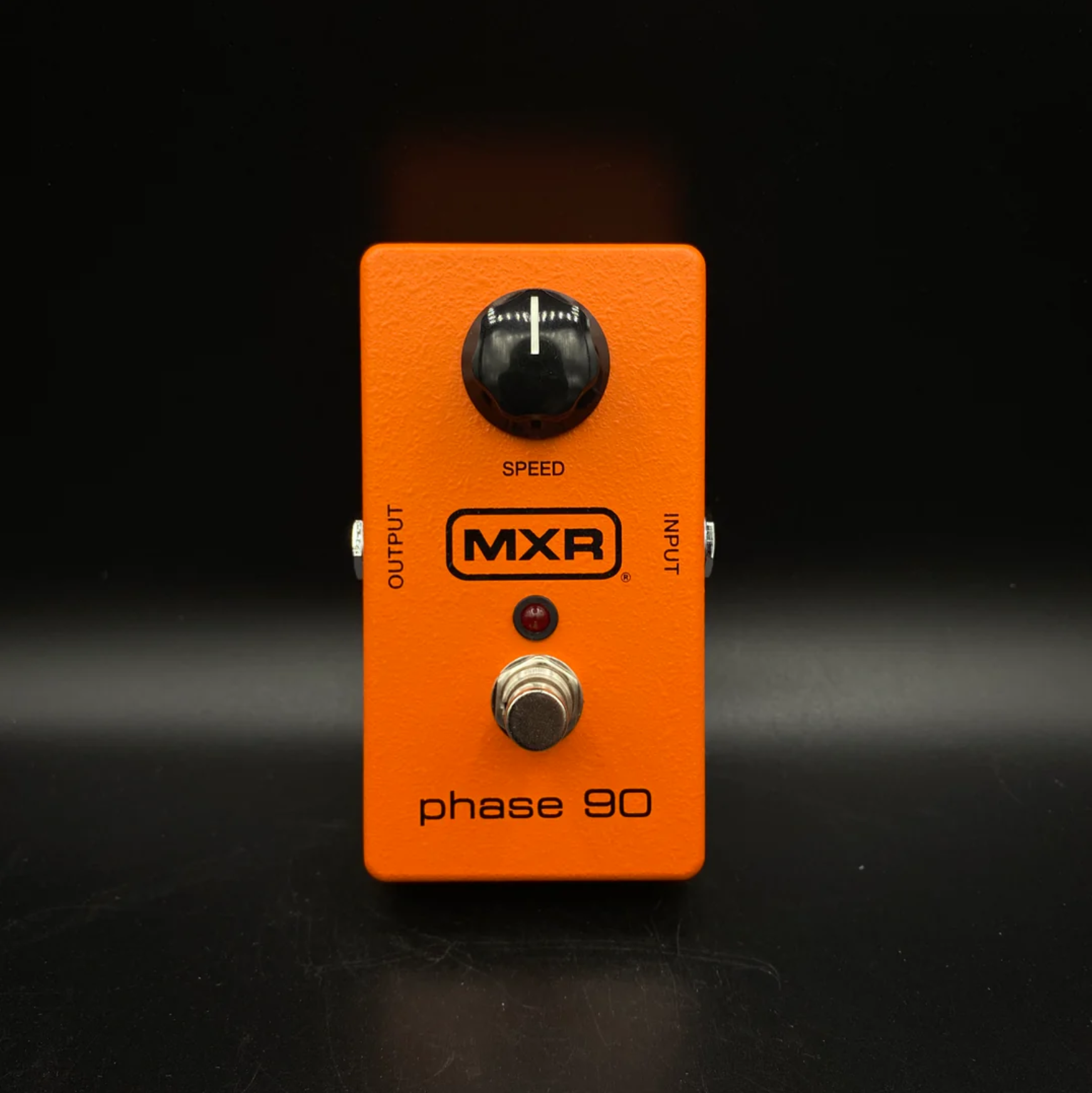
One Knob, Endless Swirl Being a gear reviewer comes with a certain unspoken pressure. You’re expected to be analytical, precise, objective — to dissect every frequency bump and nuance like it’s a lab experiment. But sometimes? Sometimes it’s about plugging in, turning one big knob, and smiling. We’ve gone down this road before (yes, we really did review a tuner), and today we’re doing it again. In the spotlight: the legendary little orange box, the MXR Phase 90. One knob. One footswitch. Zero nonsense. The question is — does it belong on a bass pedalboard? Let’s find out. Check the MXR Phase 90 on Amazon –> First things first. The Phase 90 is about as simple as analog pedals get. A single Speed control adjusts the rate of the phasing effect. That’s it. No depth knob. No mix control. No toggles. Just swirl. Originally voiced for guitar, the Phase 90 became famous for its warm, chewy modulation and unmistakable movement — heard everywhere from classic rock to funk to modern alternative. But bass players have historically been cautious with modulation. Anything that messes with low end can feel risky. So… does it steal your bottom end? Short answer: yes — with intention. Long answer: the Phase 90 does subtly affect low frequencies, but not in the way some digital or more extreme phasers do. Because it’s analog and relatively simple in design, it tends to create movement in the mids and upper mids while the fundamental low end largely stays intact. At slower speeds, it adds a gentle, almost three-dimensional motion to sustained notes. Think supportive movement rather than dramatic sweep. It can make simple basslines feel alive without stepping all over the mix. Crank the Speed knob, and things get more psychedelic. Faster settings introduce a pronounced swirl that works great for bridges, breakdowns, or sections where the bass needs to poke out rhythmically. It won’t turn you into a synth player — but it will absolutely turn heads. If you’re running an active bass or a bright amp setup, you’ll notice the phase effect more clearly. With darker rigs, it becomes subtler — almost felt more than heard. Where does it shine? In funk and groove-based playing, a slow phase under slap or fingerstyle lines can add width without turning into chorus territory. It’s not as glossy as a chorus pedal — it’s earthier. In stoner, psychedelic, or alternative rock, pair it with a fuzz or overdrive and you’re instantly in swirling, vintage territory. The movement interacts beautifully with distortion, especially on sustained notes. On minimalist lines, the Phase 90 fills space in a way that feels organic. It keeps things interesting without overcomplicating your tone. In studio settings, a lightly phased bass track can sit differently in a mix, especially when layered with a clean DI signal. It adds character without screaming “effect.” What it’s not is a hyper-tweakable modern modulation unit. If you need blend controls, multi-stage phasing, or surgical EQ shaping, this isn’t that pedal. And that’s kind of the point. The Phase 90 isn’t about options paralysis. It’s about immediacy. Step on it. Turn the knob. Done. Conclusion The bass verdict? The MXR Phase 90 absolutely works on bass — as long as you treat it like a flavor, not a foundation. It won’t replace your core tone, and it shouldn’t. What it does is add movement, vibe, and a little bit of controlled chaos when you want it. It’s also refreshingly fun. No menus. No presets. Just a small orange box reminding you that sometimes gear doesn’t have to be complicated to be inspiring. And honestly, in a world full of multi-algorithm modulation units with firmware updates and Bluetooth editors, one knob feels almost rebellious. Sometimes, that’s exactly what your pedalboard needs. Don’t forget to get your MXR Phase 90 on Amazon now! (This is an affiliate link and if you buy through it I’ll get rich and buy ALL THE PEDALS!)

News

Valeton Releases the New GP-150 and GP-180

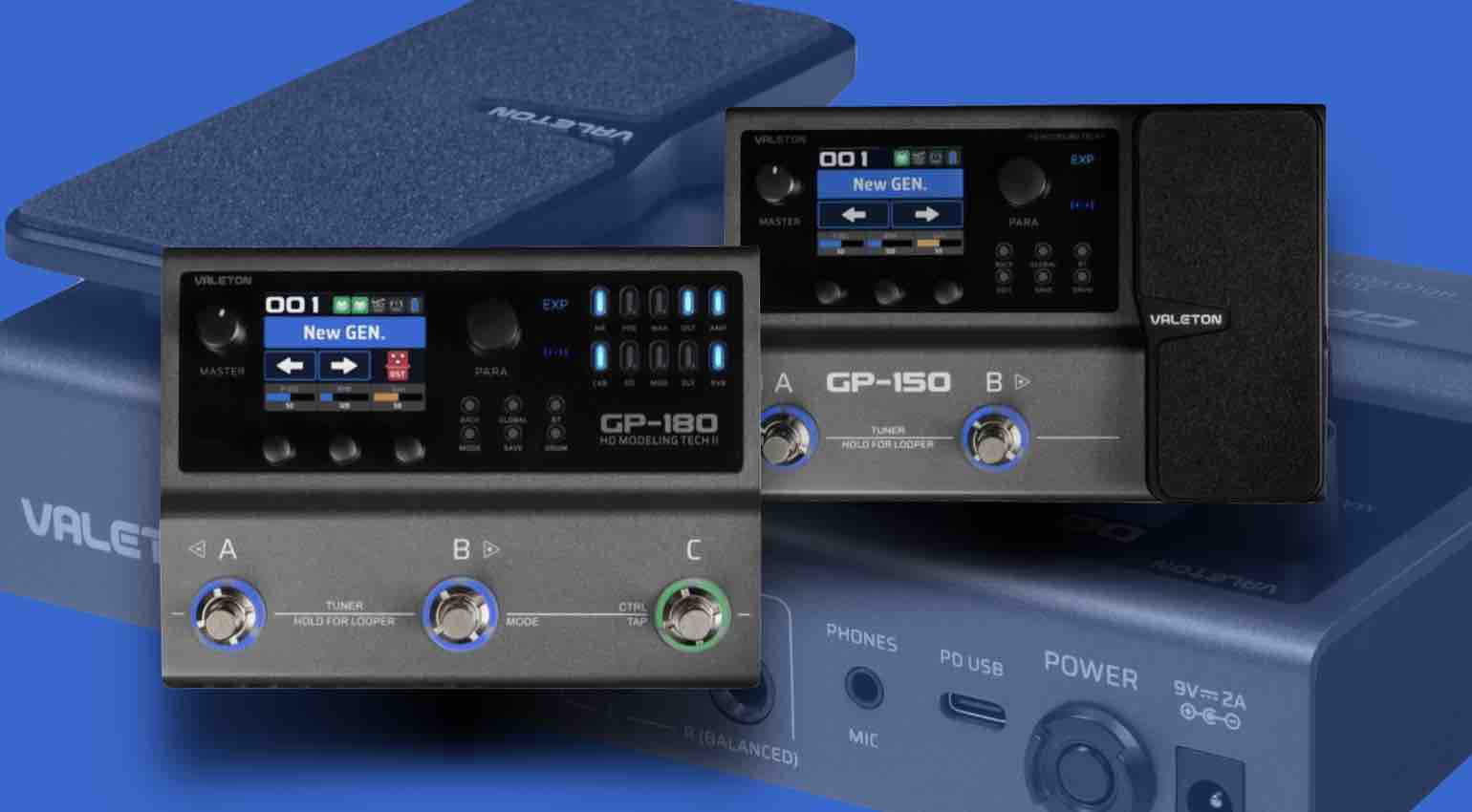
Valeton Expands the GP Series with the New GP-150 and GP-180 Valeton has announced two new additions to its GP multi-effects lineup: the GP-150 and GP-180. Designed as next-generation tone workstations, both units combine advanced HD modeling, flexible routing, and modern connectivity in performance-ready floorboard formats. At the core of both processors is Valeton’s updated second-generation HD digital modeling engine, delivering 24-bit/48kHz audio performance and a broad range of detailed amp and effects models. Players can run up to 12 simultaneous effect modules with freely adjustable signal chains, drawing from a library of more than 200 built-in effects covering amp simulations, drives, modulation, delays, reverbs, pitch effects, filters, and more. A major highlight is the integration of SnapTone technology, which supports NAM (Neural Amp Modeler) files. This allows users to import highly detailed amp and pedal captures for ultra-realistic tones. Each unit comes loaded with 50 SnapTone presets and supports up to 100 in total, giving players access to boutique-style sounds and custom profiles within a compact processor. Both models support third-party cabinet impulse responses, with space for up to 20 user IRs, alongside a 200-patch memory system that includes 100 factory presets. Built-in practice and creative tools include a drum machine with over 100 rhythm patterns and a looper offering up to 180 seconds of recording time, making the units equally suited for songwriting, rehearsal, and live use. Connectivity is comprehensive. The GP-150 and GP-180 function as 6-in/4-out USB-C audio interfaces compatible with Windows, macOS, iOS, and Android devices for direct recording and streaming. Bluetooth capability enables wireless editing and preset management, while multiple outputs, headphone connectivity, and expression/footswitch inputs allow flexible routing for stage or studio environments. GP-150: Portable Power The GP-150 delivers the full feature set in a streamlined chassis equipped with two footswitches and an onboard expression pedal. A 2.4-inch color LCD provides clear navigation, and a built-in 3,000mAh rechargeable battery offers over six hours of operation per charge, making it ideal for mobile setups, rehearsals, and on-the-go sessions. GP-180: Expanded Performance Control The GP-180 builds on the same core platform but adds an extra footswitch and expanded front-panel controls for greater real-time command during live performance. Dual TRS jacks allow connection of additional expression pedals or external footswitches, and MIDI compatibility ensures seamless integration into more complex rigs. With the GP-150 and GP-180, Valeton continues to push accessible modeling technology forward, delivering deep customization, modern features, and stage-ready reliability in two versatile formats. Make sure to check out other Valeton releases here on BassGearReview.com

Big Muff Pi 2
News

Electro-Harmonix Launches the Bass Big Muff Pi 2

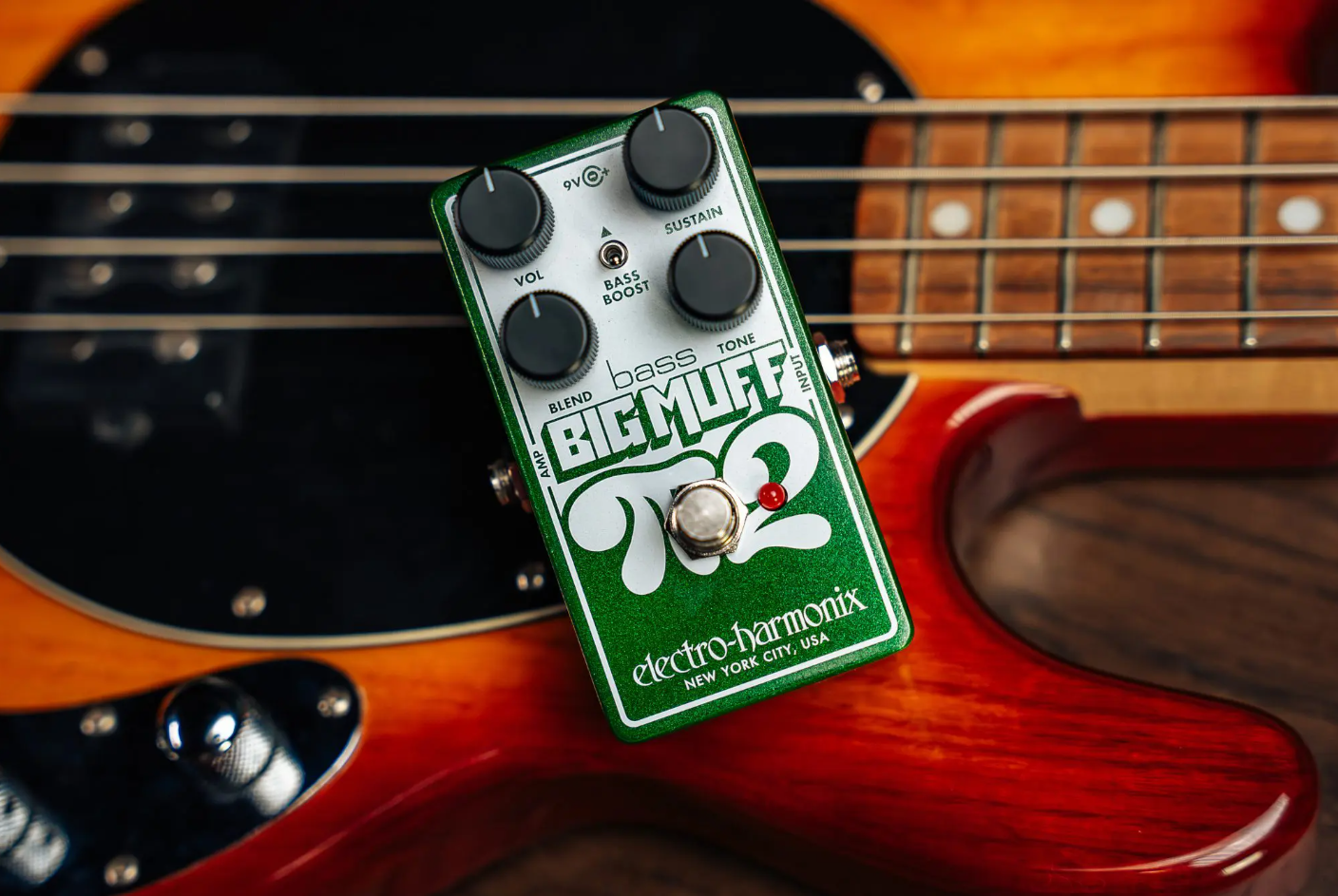
Electro-Harmonix has unveiled the Bass Big Muff Pi 2, a new low-end-focused evolution of one of the most recognizable fuzz circuits ever created. Built on the legacy of the classic Big Muff while drawing inspiration from the elusive Op-Amp variant of the 1970s, this latest release delivers a fresh voice tailored specifically for bass players. The Big Muff has long held a place on pedalboards across genres, prized for its singing sustain and aggressive midrange character. The Bass Big Muff Pi 2 expands on that heritage with a circuit design built around dual op-amps, offering a distinct tonal profile that blends vintage grind with modern clarity. The result is a fuzz that cuts through dense mixes while preserving the depth and authority bassists rely on. Designed to maintain low-end integrity, the pedal introduces two key features aimed squarely at bass performance: a BLEND control and a BASS BOOST switch. The BLEND knob allows players to mix their dry signal with the fuzz effect, keeping articulation and punch intact even under heavy saturation. Engaging the BASS BOOST switch reinforces the fundamental frequencies, delivering added weight — especially useful when dialing in brighter tones via the TONE control. The familiar VOL, TONE, and SUSTAIN controls remain at the core of the layout, providing the wide tonal sweep and near-endless sustain synonymous with the Big Muff name. Whether set for subtle grit or full fuzz assault, the Bass Big Muff Pi 2 offers a versatile range of textures suited for rock, alternative, doom, punk, and experimental styles. Performance flexibility extends to the footswitch, which features true bypass operation with both latching and momentary functionality. A standard click engages the effect in traditional on/off fashion, while pressing and holding the switch unleashes a temporary burst of fuzz — ideal for accents, transitions, and dynamic live moments. The pedal uses a mechanical relay true bypass system housed beneath a soft-touch footswitch for reliable operation. Power options include an included 9V battery, with compatibility for an optional 9V adapter. With the Bass Big Muff Pi 2, Electro-Harmonix refines a legendary fuzz platform into a bass-optimized powerhouse — delivering massive sustain, crushing grind, and uncompromised low-frequency impact in a compact, performance-ready design.