Three New Pedals for Delay, Modulation and Pitch-Shifting
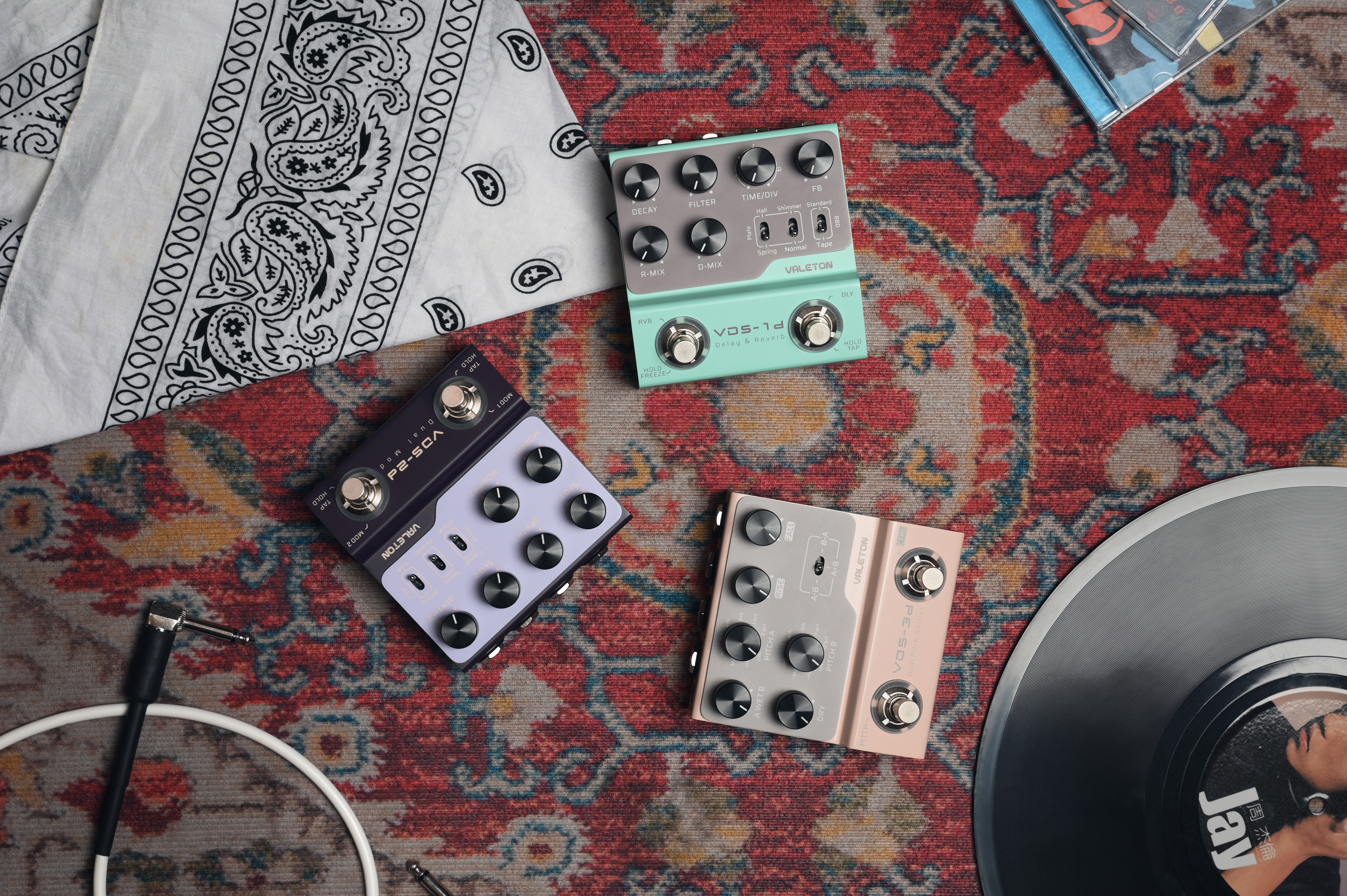
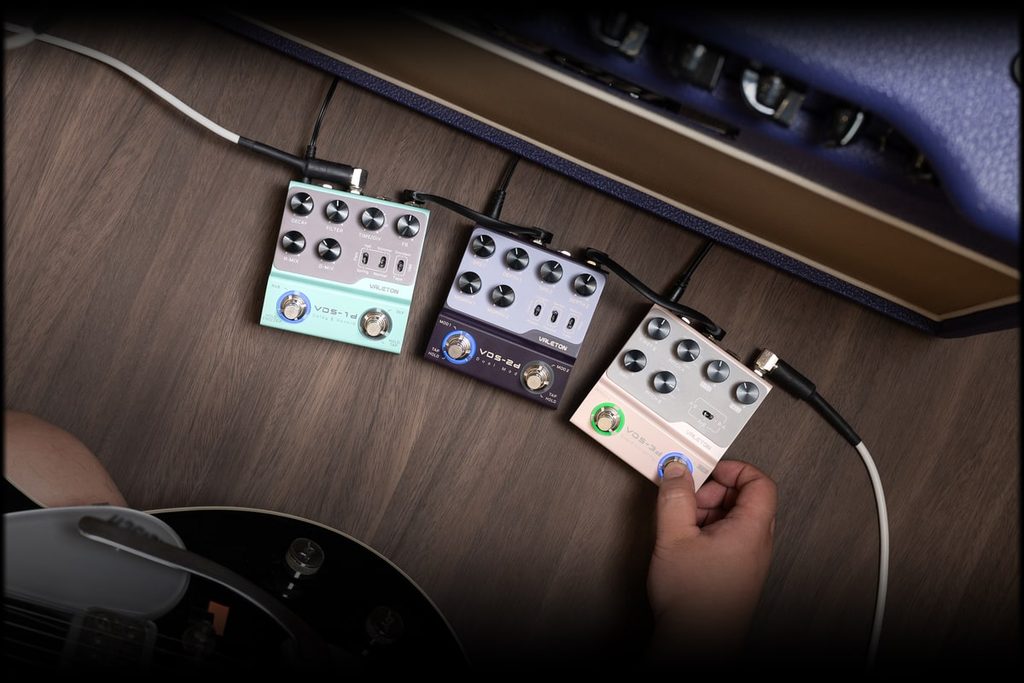
Valeton has just introduced the VDS Series, a new range of three digital effects pedals built around a simple idea: combining two related effects engines in a compact pedal with dedicated footswitch control. The new lineup includes the VDS-1d Delay & Reverb, VDS-2d Dual Mod and VDS-3d Dual Pitch Shifter, each taking a different approach to expanding your sound.
For bass players, this is an interesting release. Delay and reverb can add space to an otherwise dry bass signal, modulation can bring movement to everything from subtle chorus tones to more experimental textures, and pitch-shifting opens up possibilities for octave layers, harmonies and alternative tunings.
All three pedals feature dual footswitches, stereo input and output, and a compact enclosure designed for use at home, in the studio or on stage. Here’s a closer look at what each model brings to the table.
Valeton VDS-1d: Delay & Reverb
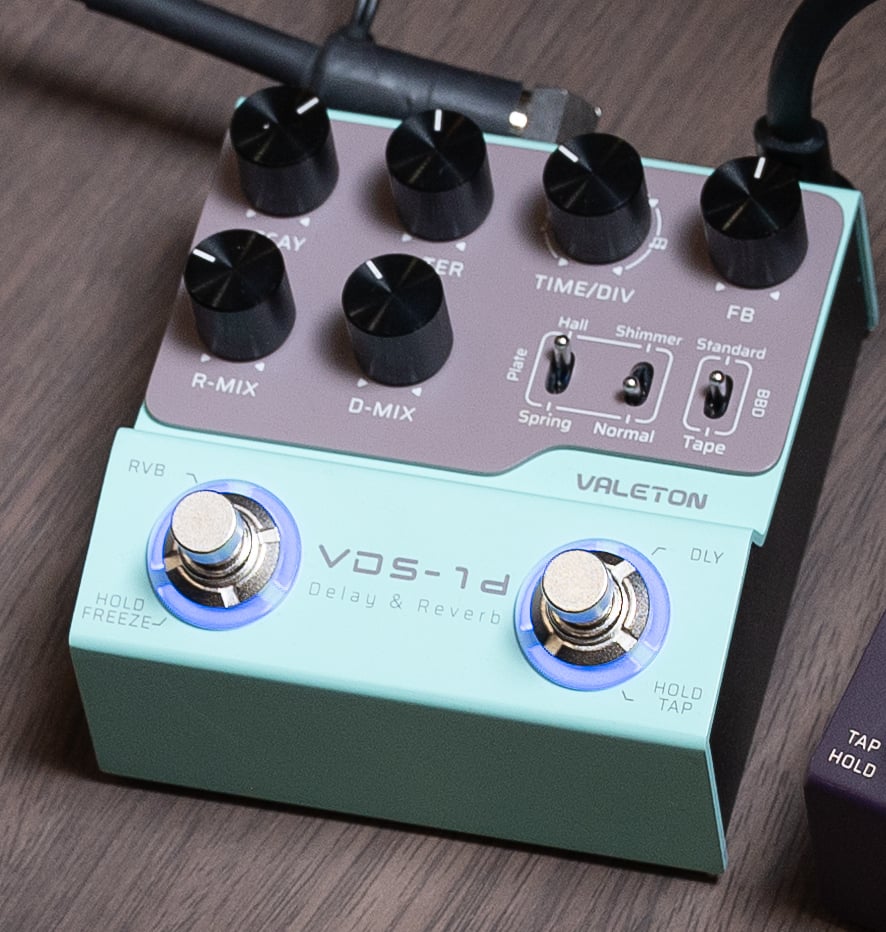
The VDS-1d combines two of the most useful effects for creating space: delay and reverb. It offers three delay sounds and three reverb modes, with additional features designed to take things beyond conventional echoes and room ambience.
Shimmer adds a brighter, higher-pitched layer to the reverb, making it possible to create expansive, atmospheric textures. There’s also a Hold/Freeze function that sustains the reverb tail, which should be particularly useful for building pads underneath a melody or creating transitions between musical sections.
Tap tempo and selectable delay subdivisions give players control over rhythmic repeats, making it easier to fit the delay to a song rather than simply dialling in a time by ear.
For bass players, the obvious starting point is subtle ambience and rhythmic delay. A little reverb can add depth to a clean tone, while delay can work particularly well for melodic passages, fretless bass, solo arrangements and more atmospheric styles. The Freeze function could also be interesting for players who use looping techniques or build layered soundscapes.
Valeton VDS-2d: Dual Mod
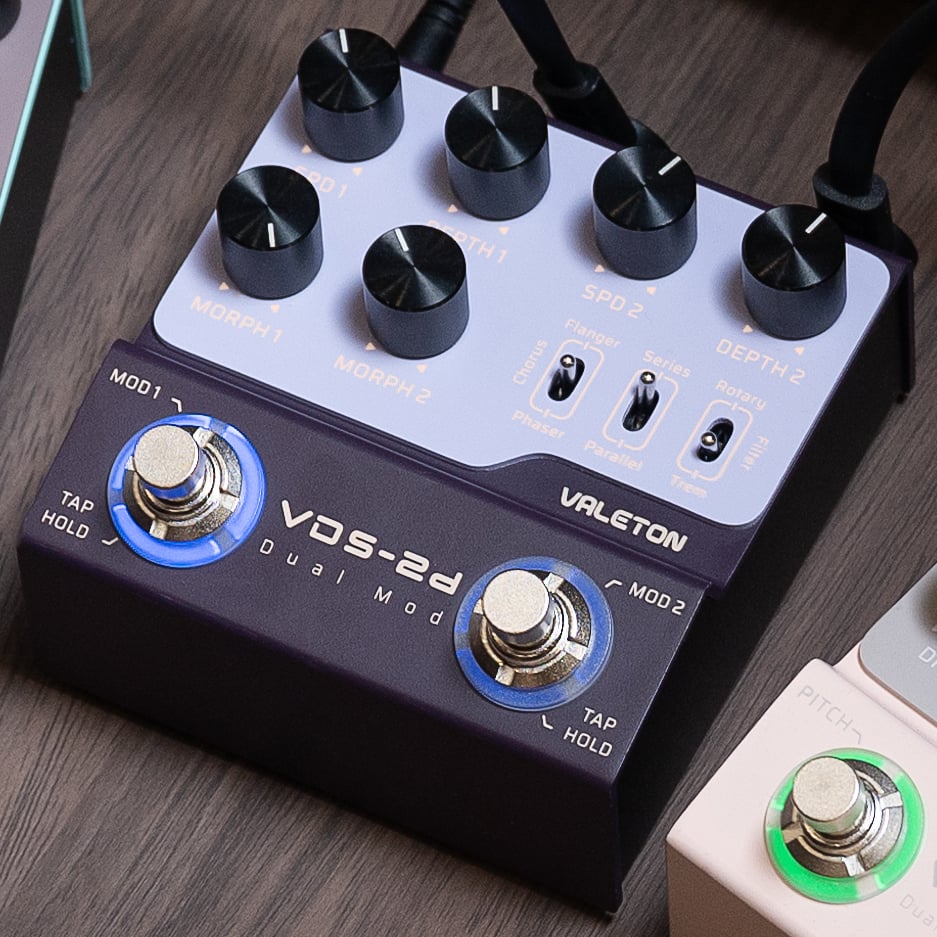
The VDS-2d takes a different approach, combining two modulation engines that can operate simultaneously. Each engine offers three modulation choices, giving players six effect options to combine.
What makes this design particularly interesting is the ability to run the two engines in Series or Parallel. In Series mode, the signal passes through one modulation effect and then the other, creating more layered and potentially complex results. Parallel mode processes both paths separately before blending them, offering a different way to combine effects while retaining more separation between them.
The pedal also features MORPH 1 and MORPH 2 controls for performance-oriented adjustments, along with tap-tempo functionality for both modulation engines. When synchronisation is active, either footswitch can update both rates together.
For bass, having two modulation effects available in one pedal could be particularly useful. A chorus combined with another modulation effect, for example, could take a familiar sound into more unusual territory without requiring two separate pedals. The same flexibility could appeal to players experimenting with ambient bass, progressive music, post-rock or more heavily processed tones.
Valeton VDS-3d: Dual Pitch Shifter
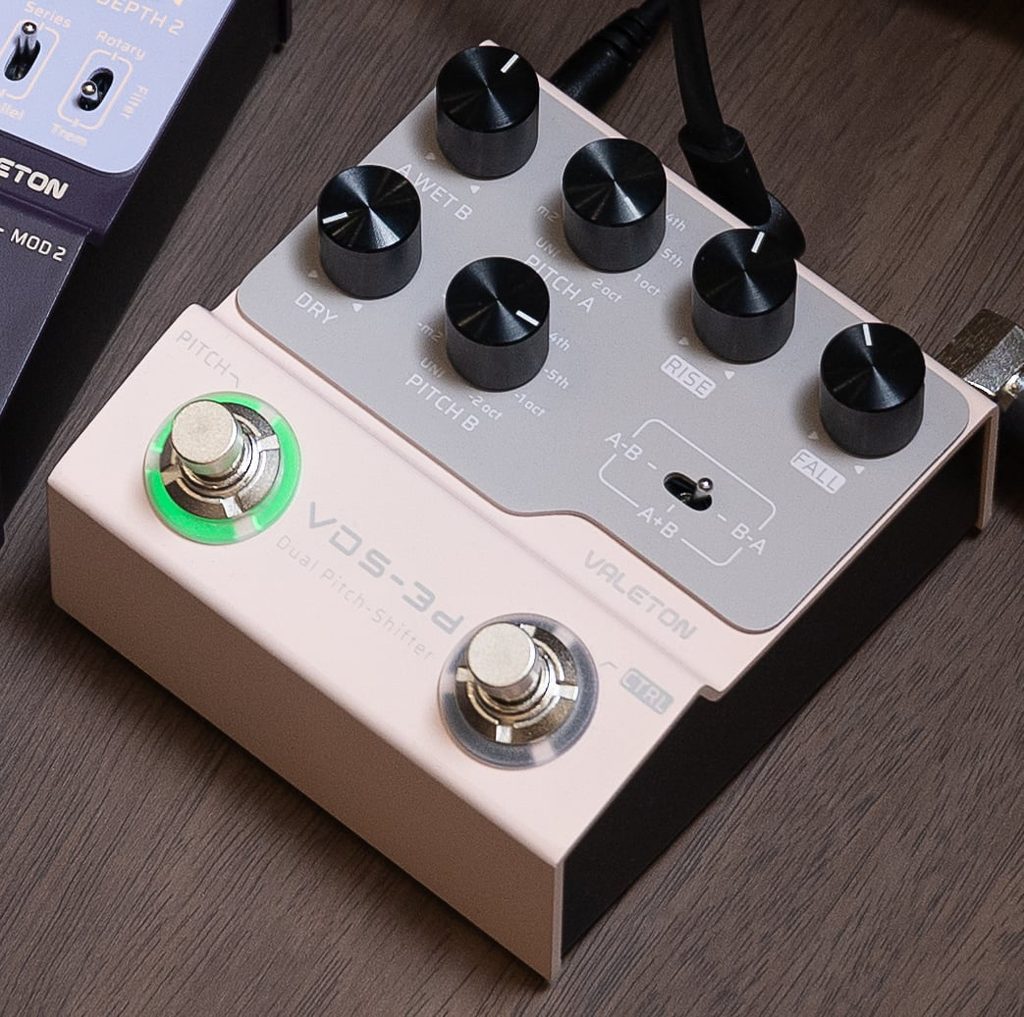
The VDS-3d is perhaps the most immediately intriguing model in the lineup. It’s a dual polyphonic pitch shifter with two independently adjustable pitch voices, designed for everything from octave effects and harmony stacking to controlled pitch transitions.
PITCH A handles upward intervals, while PITCH B handles downward intervals, with a range of up to two octaves in either direction. The shifted voices can be combined with the original signal, allowing players to build one-, two- or three-voice sounds.
That opens up several possibilities for bass. Octave-based settings could add weight or extend the perceived range of a part, while combining upward and downward intervals could create thicker harmonies. Pitch-shifting can also be useful when experimenting with alternate tunings without physically retuning the instrument.
The VDS-3d goes further with three transition modes and adjustable RISE and FALL controls, which determine how quickly the effect moves into and out of the selected pitch. Its dedicated CTRL footswitch makes those transitions part of the performance, allowing players to move between pitch settings rather than relying solely on a static shifted tone.
For bass players interested in more expressive pitch movement, this could be the standout feature. There is a difference between simply adding an octave and being able to move between pitches as part of a riff or transition.
Three pedals, three different approaches
The VDS Series covers three distinct areas of effects processing. The VDS-1d is aimed at players looking for delay, reverb and ambient textures. The VDS-2d focuses on combining modulation effects, with routing options that give players more control over how they interact. The VDS-3d takes things into pitch-shifting and harmony, with additional controls for expressive transitions.
Their shared dual-footswitch design and stereo connectivity make them interesting options for players who want more control over their effects without necessarily moving to a larger multi-effects unit.
Of course, a feature list only tells us so much. Bass players will want to know how the pedals handle the low frequencies, how well they track complex playing, and whether the controls feel practical during a performance. Those are important questions, and they’re best answered by spending time with the pedals rather than relying on the specifications alone.
We’ll be putting two of these new releases through their paces very soon. Expect our full reviews of the Valeton VDS-2d Dual Mod and VDS-3d Dual Pitch Shifter on BassGearReviews.com in the coming days, where we’ll take a closer look at what they offer bass players in the real world.
For now, the VDS Series looks like an interesting addition to Valeton’s effects lineup, particularly for players who enjoy experimenting with modulation, ambience and pitch-based effects.